

Table of Contents
Behavioral healthcare has spent the last decade building. More locations. More providers. More access points. More capital.
The organizations entering 2026 with the strongest position are not necessarily the ones that built the most. They are the ones who built proof alongside it.
24 executives across mental health, autism services, and substance use disorder were asked the same question: What is the single biggest factor shaping behavioral health right now? Their answers came from different sectors and different contexts. The thread running through all of them was the same.
Scale is not the strategy anymore. Accountability is.
What 3 Sectors Are All Saying at Once?
No single part of behavioral healthcare is insulated from what is happening. Mental health, autism, and SUD are each navigating their own version of the same pressure.
Payers are demanding evidence. Investors are requiring operational discipline. Regulators are tightening scrutiny. And clients, many of whom have tried behavioral health services before, are expecting a higher standard of experience and care.
The executives who contributed to this piece lead some of the most recognized organizations in the field. Their collective viewpoint is worth taking seriously.
What 24 Leaders Are Actually Saying?
Mental Health
The mental health sector is shifting from a race to scale toward clinical credibility, specialization, and accountability. Differentiation, measurement-based care, and the right use of AI will define which organizations lead and which fall behind.

Interventional psychiatry, TMS, and Spravato are entering standard care territory for treatment-resistant depression, backed by real-world evidence of durable remission and reduced hospitalizations.
Organizations that integrate these treatments with psychotherapy and medication management now will lead as payers shift from step-and-fail protocols to outcome-driven pathways.

Clinical excellence in 2026 means measurable results, fewer ER visits, shorter inpatient stays, and reduced need for higher levels of care.
Providers who connect people to the right level of support at the right time will drive the next era of healthcare integration.

Clients want care that is personalized, on-demand, and deeply human. AI should connect clients to the right care, not replace the clinician delivering it.
The gold standard for quality will be highly personalized, evidence-based, human-centric solutions where technology elevates care rather than competes with it.
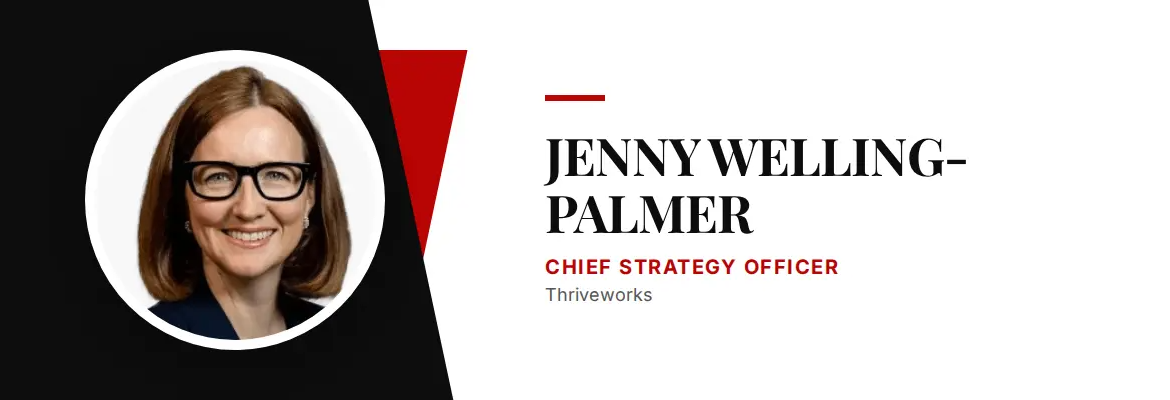
Specialization is defining the behavioral health landscape; the market is moving away from broad, undifferentiated models toward condition and population-specific expertise.
Value-based care is becoming unavoidable, and the combination of specialization and accountable care models will reshape how the industry organizes itself entirely.

Quality in 2026 means more than collecting PHQ-9s; it means elevating the standard of the entire care experience from the first interaction through the clinical encounter itself.
A meaningful percentage of clients have tried therapy before and are demanding more; the industry must raise its standard to make a meaningful impact on American health.
Autism and ABA
Increased payer scrutiny, workforce shortages, and rising demands for measurable outcomes are forcing autism providers to move beyond cookie-cutter ABA models toward multidisciplinary, data-driven care. Organizations that cannot prove clinical quality and cost-effectiveness will face growing pressure and accelerating consolidation.

Growing autism diagnoses mean more families seeking ABA therapy, making it critical to streamline care delivery so children get help quickly.
Ensuring a seamless family experience from the first interaction through every step of their child’s care is a top organizational priority.

Reimbursement pressure, paired with workforce shortages, especially in rural and mid-sized communities, will be the defining challenge of 2026.
Winners will invest heavily in clinician support systems, technology efficiency, and sustainable caseload structures to balance quality, access, and financial viability.

The tension between network inadequacy and payer concerns about over-utilization is creating a genuine survival-of-the-fittest environment for autism providers.
Providers must now present robust, transparent performance metrics that objectively demonstrate effectiveness and value to maintain their position in the market.

When the field aligns on what good outcomes look like and measures them consistently, families receive proven care, quality providers get recognized, and payers make smarter and more sustainable decisions.
The future of behavioral health depends on moving past cost-based comparisons and toward outcome-based accountability.

Value-based care contracts are gaining traction, and tying fair payment to real outcomes will move the ABA field forward.
Direct, data-driven conversations with private insurers and state Medicaid programs will be critical to ensure timely and reasonable payment for medically necessary ABA services.

Payers and regulators are demanding evidence of efficacy, transparency in measurable clinical quality, and standardized outcome metrics are no longer optional.
Alongside this, continued workforce shortages at the BCBA and technician levels require providers to invest in sustainable training, technology, and structured supervision models.

Payers are making behavioral health utilization a top priority; providers must prove not only timely care delivery but also that the care is both high quality and cost effective. Cookie cutter approaches will not survive going forward.
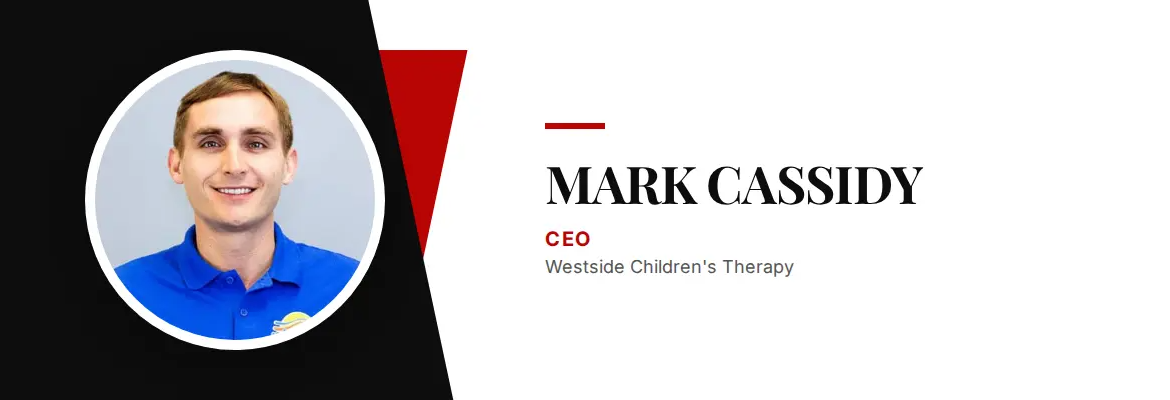
Higher compliance demands, lower authorized dosages, and the need for data transparency are converging to accelerate industry consolidation in autism services.
The market is shifting toward holistic, multidisciplinary approaches delivered at clinically appropriate dosages, moving away from legacy 40 hour ABA only models.
Substance Use Disorder
SUD care is at a turning point; providers must now demonstrate clear outcomes and return on investment while reframing addiction as a chronic medical condition rather than an episodic one. Integrated care models, MAT adoption, and responsible AI use will separate the organizations that sustain from those that stall.

2026 marks a transition from treating addiction episodically to managing it as a chronic, medically complex brain-body condition requiring continuous, adaptive support.
Providers who blend medicine, measurement, and meaningful human connection with the same precision applied in cardiology or oncology will set the national trajectory for addiction care.

The field is moving from being care providers to being care ecosystems, responsible for connecting underserved populations in hospitals, emergency departments, and correctional facilities with gold-standard SUD care.
Creative public-private collaborations at the local and state levels will be essential to sustain progress beyond programs heavily reliant on federal funding.

The most effective providers will use AI to create more space for trusted therapeutic relationships, not to replace them, targeting administrative workflows like revenue cycle management and claims processing.
Payers who adopt scalable, tech-enabled care with measurable outcomes will win in an increasingly high-pressure environment.

Technology and human touch must be balanced to create high-quality treatment experiences that meet surging demand for patient access to care.
Providers who master this balance will outpace those who do not in both care quality and employee experience and satisfaction.

AI and technology will be major drivers in 2026, but the risk of technology substituting for human connection in behavioral health is real and must be actively managed.
The best providers will use innovation to reduce administrative burden and personalize care, so clinicians spend more time building the relationships that make treatment work.

Commercial reimbursement competition, program differentiation, and the evolution from social care to a full medical model are deeply interconnected priorities that providers must address together.
Integrated care braiding mainstream medical into behavioral health is both the most cost-effective approach and the most sustainable long-term direction for the SUD field.

Building trusted relationships between families and clinical teams will be the defining factor. Trust is foundational and cannot be rushed.
Empowering clinicians with the right tools, training, and support ensures they feel prepared to deliver comprehensive care without experiencing burnout.

Americans struggling with alcohol use disorder have declined from 29.7 million in 2021 to 27.9 million in 2024, driven by shifting generational attitudes, better health information, and more accessible treatment options.
The percentage of people with AUD receiving medication support has grown from 1.9% in 2023 to 2.5% in 2024, signaling increased treatment acceptance.

AI-native clinical models will transform care delivery through more sophisticated triage, increased clinician capacity, and deeper personalization in treatment.
Contingency management, now backed by evidence showing a 41% reduction in mortality risk, is positioned for wider adoption as reimbursement barriers fall and policy wins create broader acceptance.
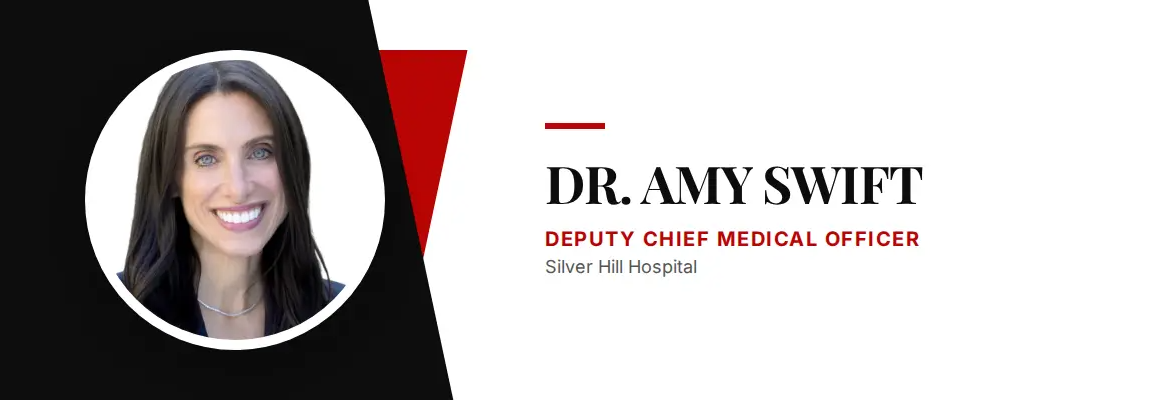
Expanding access to medication-assisted treatment through telehealth will create a wave of acceptance in communities previously without meaningful SUD support.
Improved access to insurance based care will extend the reach of effective treatment to areas that have historically been underserved or entirely without options.
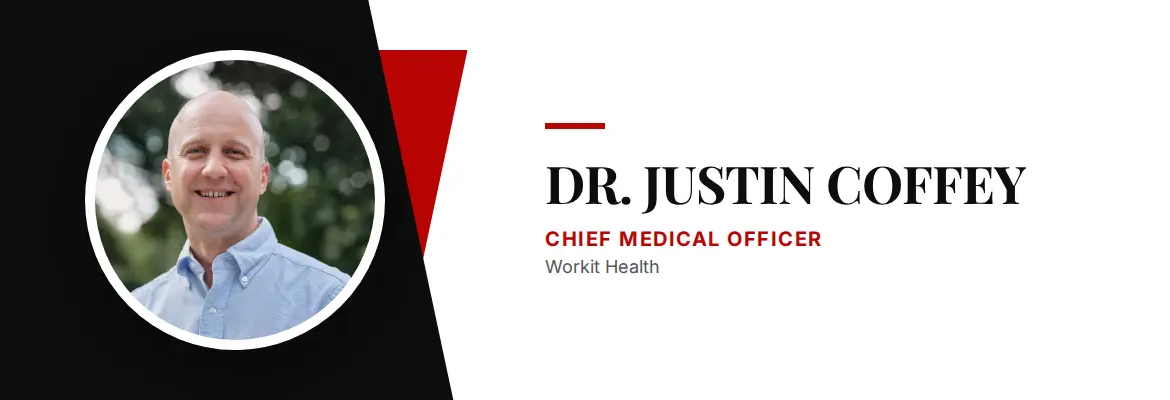
Value will remain the north star the organizations that measure what truly matters to patients will lead.
The companies with the courage to organize their entire product and service delivery around those outcomes will ultimately win.
The Accountability Era Demands Operational Infrastructure That Matches Clinical Ambition.
BehavioralProz handles the full revenue cycle operational layer billing, denial management, prior authorization, credentialing, and RCM consulting so your clinical teams can focus on patient care. Built specifically for behavioral health organizations that need sustainable clinical and financial performance.
What Does All of This Actually Mean?
24 leaders. Three sectors. One shared understanding.
The organizations that will define behavioral healthcare over the next five years are not the ones that grew the fastest. They are the ones who built clinical quality, documented outcomes, invested in sustainable operations, and adopted technology in the service of human connection rather than as a substitute for it.
The proof that payers, investors, and families are demanding is not a compliance exercise. It is the new competitive standard.
The organizations building that capacity now are not responding to pressure. They are getting ahead of it.