

Behavioral health administrators and leaders are always looking for innovative ways to improve patient care and operational efficiency. One of the most promising advancements in ABA therapy practices is the integration of wearable technology. ABA technology is transforming how data is collected, analyzed, and applied to enhance treatment outcomes.
Understanding Wearable Technology in ABA Therapy
Wearable technology includes smart devices such as biosensors, smartwatches, and augmented reality tools designed to support behavioral interventions. These devices allow real-time monitoring of physiological and behavioral data, offering valuable insights to therapists, caregivers, and healthcare administrators. By leveraging ABA technology, you can ensure your organization stays ahead in providing data-driven, personalized therapy solutions.

The Impact of Wearable Technology on ABA Therapy Practices
1. Enhancing Data Collection and Analysis
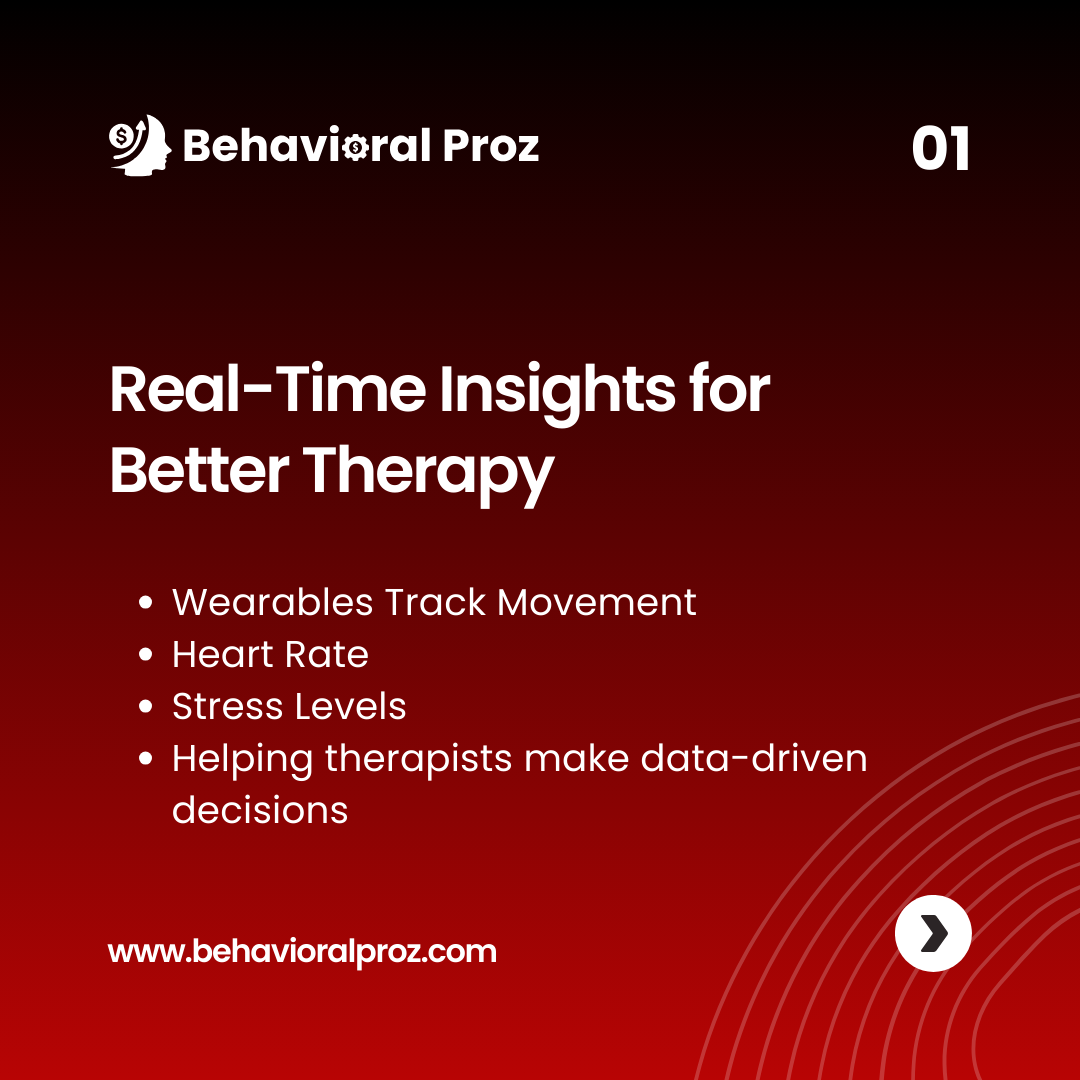
Traditional ABA therapy relies heavily on manual data collection, which can be time-consuming and prone to human error. Wearable technology automates this process, providing therapists with accurate and continuous data.
- Devices track physiological markers like heart rate, skin conductance, and movement patterns.
- Real-time alerts help predict and prevent problem behaviors before they escalate.
- Data analytics tools use AI to identify behavior patterns, improving therapy effectiveness.
A study by the National Science Foundation found that wearable sensors could predict precursors to challenging behaviors in children with intellectual and developmental disabilities. This proactive approach enables timely interventions, improving treatment success rates.
2. Improving Remote Therapy with Telehealth Solutions in ABA
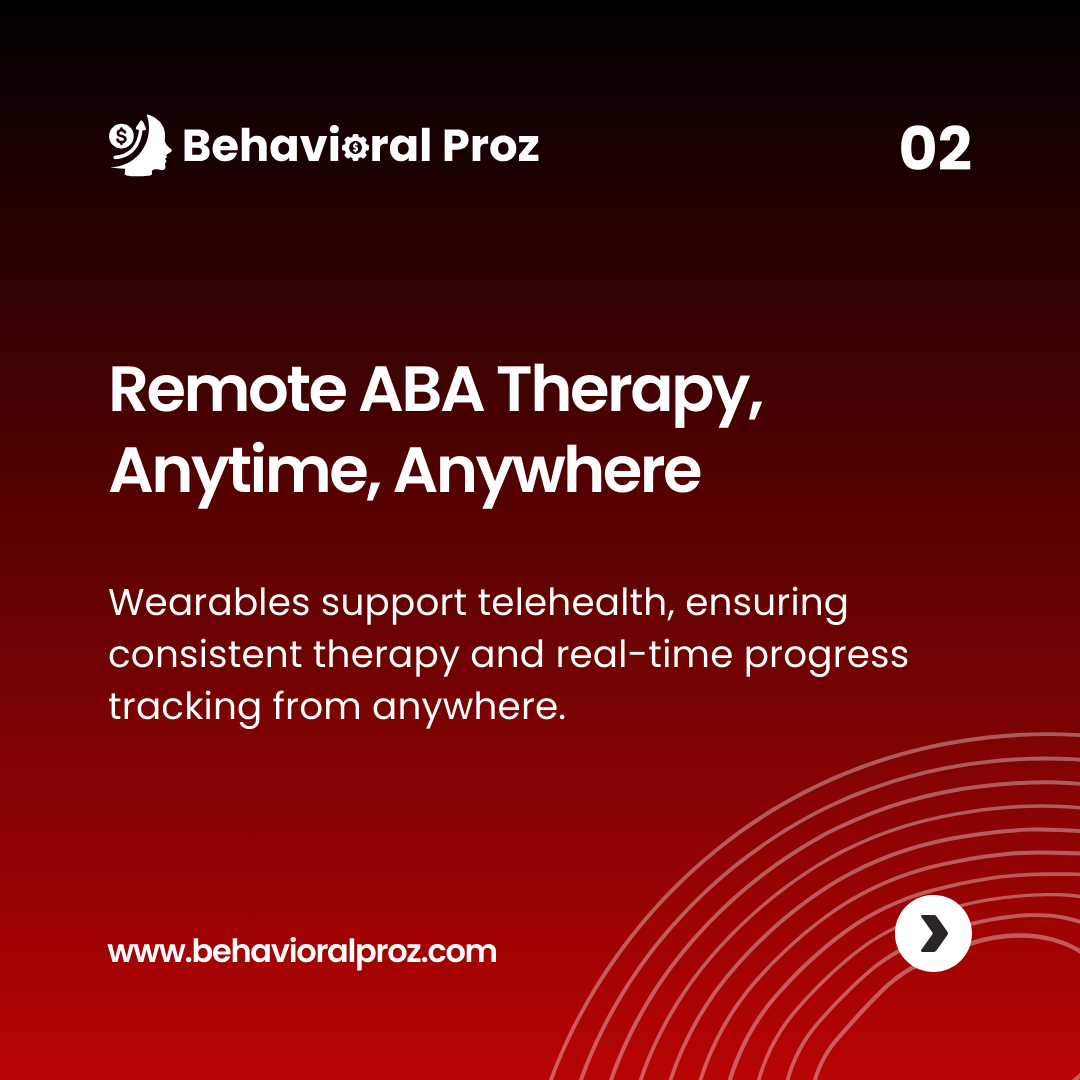
Telehealth has become a crucial element of modern healthcare, and ABA therapy is no exception. Telehealth Solutions in ABA allow therapists to provide interventions remotely while wearable devices track patient progress in real time.
- Remote monitoring ensures continuity of care even when in-person sessions are not possible.
- Real-time data sharing enables therapists to adjust interventions based on objective metrics.
- Families and caregivers receive guided support, making therapy more effective at home.
With the rise of virtual care, integrating ABA technology with telehealth solutions enhances accessibility and quality of care.


3. Facilitating Communication for Non-Verbal Individuals
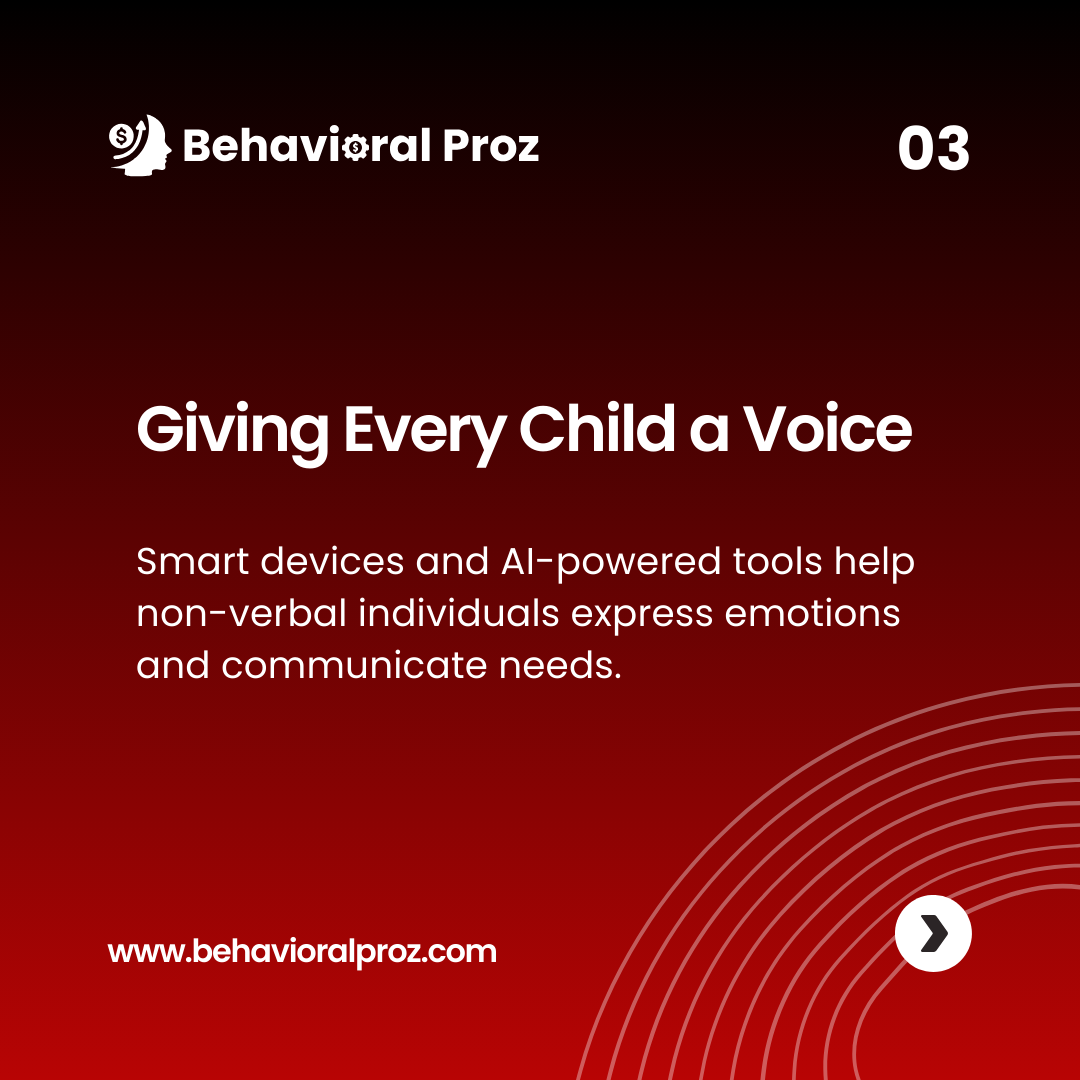
For individuals with limited verbal skills, wearable technology provides alternative communication methods.
- Smartwatches and wearable speech-generating devices help non-verbal children express needs.
- AI-powered tools analyze facial expressions and gestures, improving social interactions.
- Augmented reality (AR) headsets provide visual prompts, guiding children through daily activities.
These innovations align with your goal of delivering high-quality ABA therapy practices, ensuring better engagement and learning experiences for individuals with Autism Spectrum Disorder (ASD).
4. Leveraging VR in ABA for Skill Development
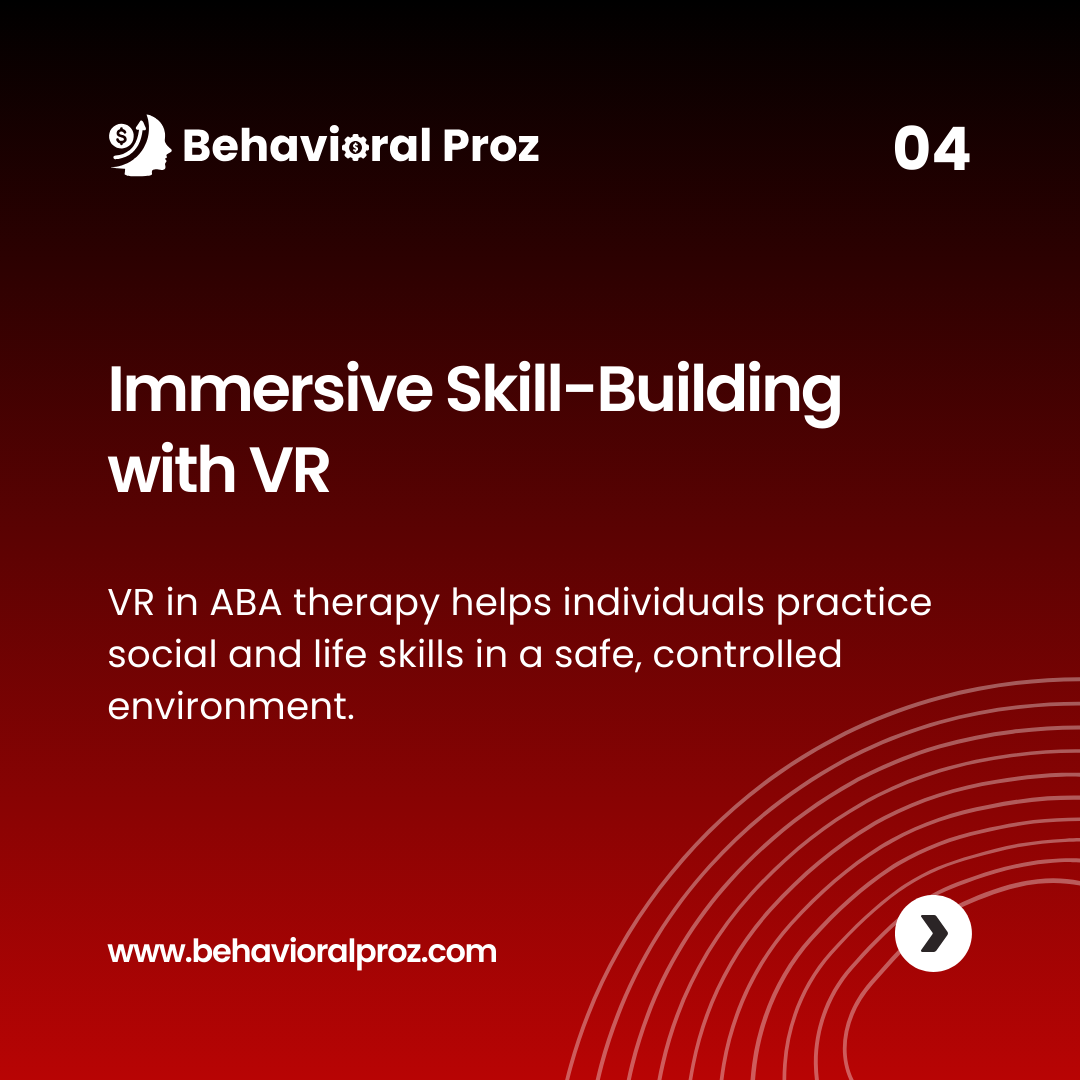
Virtual reality (VR) is gaining traction in ABA technology, offering immersive experiences that help individuals develop crucial life skills.
- VR simulations create controlled environments for practicing social interactions.
- Children with ASD can safely explore scenarios like grocery shopping, crossing the street, or ordering food.
- Therapists use VR-generated data to assess progress and adapt intervention plans.
By incorporating VR in ABA, your healthcare facility can enhance the effectiveness of behavioral therapy and provide engaging, structured learning environments.
5. AI in ABA: Personalizing Therapy with Artificial Intelligence
AI in ABA is revolutionizing therapy by analyzing vast amounts of behavioral data to create customized intervention plans.
- AI-driven software detects subtle behavior patterns that may go unnoticed by human observation.
- Machine learning algorithms predict responses to different therapeutic strategies.
- Automated reporting tools reduce administrative workload, allowing therapists to focus more on patient care.
Embracing AI-powered ABA technology ensures that therapy programs are evidence-based, efficient, and tailored to each individual’s needs.

The Benefits of Wearable Technology in ABA Therapy
Implementing wearable technology in your ABA therapy programs offers several key advantages:
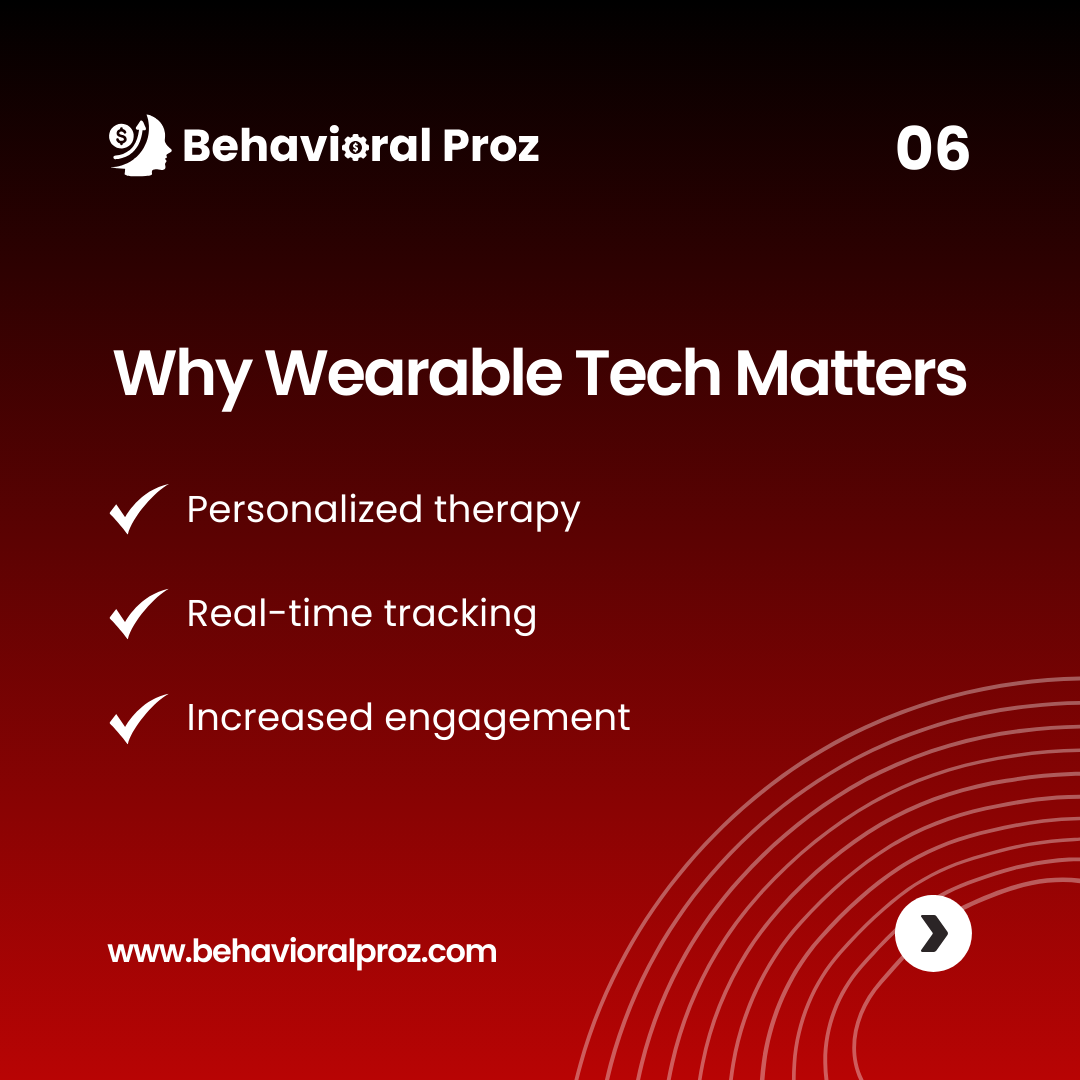
- Increased Efficiency: Automating data collection saves therapists time and reduces administrative burdens.
- Objective Insights: Continuous data tracking provides more accurate behavioral assessments.
- Personalized Interventions: AI and machine learning enable customized therapy plans based on real-time analytics.
- Enhanced Patient Engagement: Interactive tools like VR in ABA make therapy sessions more engaging and effective.
- Better Care Coordination: Wearables enable seamless communication between therapists, caregivers, and healthcare teams.
Challenges and Considerations for Healthcare Leaders
While wearable technology presents significant opportunities, it also comes with challenges that healthcare leaders must address:
- Data Privacy and Security: Ensuring compliance with HIPAA regulations to protect sensitive patient data.
- Cost of Implementation: Balancing investment in cutting-edge technology with budget constraints.
- Device Acceptance and Usability: Training therapists and patients to effectively use wearable devices.
Despite these challenges, the long-term benefits of integrating ABA technology into your therapy programs outweigh the initial barriers. Investing in the right technological solutions can streamline operations and improve patient outcomes.
The Future of ABA Technology in Healthcare Facilities
As wearable technology continues to evolve, its role in ABA therapy practices will only expand. Future advancements will likely include:
- More Sophisticated AI in ABA for even more precise behavior predictions and intervention recommendations.
- Integration with Electronic Health Records (EHRs) to provide a holistic view of patient progress.
- Advancements in VR in ABA, making virtual therapy environments even more realistic and effective.
- Expanded Use of Telehealth Solutions in ABA to reach more patients worldwide.
Conclusion
As a healthcare leader, staying ahead of industry advancements is essential to delivering the highest quality care. Wearable technology is not just a trend—it is a game-changer in ABA technology that enhances data collection, personalizes interventions, and expands access to therapy.
By integrating VR in ABA, AI in ABA, and Telehealth Solutions in ABA into your facility’s therapy programs, you can drive better patient outcomes, improve operational efficiency, and position your organization as a leader in innovative ABA therapy practices. Now is the time to explore how these technologies can revolutionize the way you provide behavioral therapy services.