

As healthcare providers committed to delivering the highest quality care, you know that ABA Therapy (Applied Behavior Analysis) is at the heart of effective autism care. With new methodologies, technological integrations, and improved data management systems, 2026 promises exciting opportunities to enhance autism care. These changes are poised to enhance the quality of care you provide, streamline your operations, and improve outcomes for your patients.
Let’s explore the emerging trends shaping ABA Therapy in 2026 and how these advancements can directly benefit you and your practice.
Personalization in ABA Therapy
Personalized care is the cornerstone of effective ABA Therapy. Tailoring interventions to meet each patient’s unique needs not only increases therapy effectiveness but also enhances engagement.
ABA Therapy Features Enhancing Personalization
- Skill and Behavior Libraries: With pre-built libraries containing hundreds of programs, you can craft customized intervention plans that address the specific goals of your patients.
- Client-Therapist Relationship Management: Tools now allow you to manage therapist assignments and reassignments seamlessly, with historical views ensuring continuity of care.
- Enhanced Clinical Data Collection: Updated forms and measurement tools give you the flexibility to fine-tune therapy sessions based on real-time data.
Benefits for Your Practice
- Deliver better patient outcomes through highly tailored programs.
- Increase client satisfaction with individualized attention to their needs.
Technology Integration for Efficiency
Key Tech Trends
- Custom Calendar Events: Plan driving time, team meetings, or training sessions with flexible scheduling tools that adapt to your needs.
- Mobile App Expansion: Collect data offline and capture electronic signatures to ensure your workflow isn’t disrupted, even in remote or low-connectivity areas.
- Graph Enhancements: Improved visuals and insights simplify patient progress tracking, helping you make data-backed decisions quickly.
Impact on Your Workflow
- Automation reduces your administrative burden, giving you more time to focus on your patients.
- Real-time data ensures better clinical decision-making and improves patient engagement.
Healthcare providers who adopt these technologies report a 40% reduction in administrative tasks, enabling them to dedicate more time to delivering care.
Strengthening Data Security
Your patients trust you with their most sensitive information, and keeping their data secure is paramount. The latest advancements in data security ensure that your practice remains compliant while protecting patient confidentiality.
Enhanced Security Features
- Two-Factor Authentication and CAPTCHA: Strengthen your login processes to prevent unauthorized access.
- Suspicious Login Alerts: Get proactive notifications of any unusual activities to address potential threats swiftly.
By implementing these measures, you protect your patients’ data, maintain compliance with regulations, and build greater trust in your services.
Automation in Billing and Revenue Cycle Management
Advances in Billing
- Automated Payment Alerts: Stay informed about pending invoices and avoid delays in payments.
- Eligibility Checks: Integrated systems streamline payment processes, verify patient insurance eligibility in real time, and reduce the chances of claim denials.
- Saved Payment Methods: Securely store payment details to speed up transactions for your patients.
Automating these processes can reduce payment delays by 30% and improve your cash flow ensuring your practice remains financially sustainable as you expand services.
Data-Driven Decision-Making in ABA Therapy
As healthcare providers, you are continually refining your approach to improve outcomes. Leveraging analytics enables you to make more informed decisions and optimize treatment plans for better results.
Tools Empowering Data-Driven Practices
- Advanced Measurement Tools: Gain precise insights into patient progress with tools that support prompts and targets.
- Condition Change Visuals: Use refined graphs to track changes over time, ensuring your interventions are always aligned with patient needs.
Benefits for You and Your Patients
- Increased transparency in tracking progress.
- Enhanced ability to adapt interventions based on real-time insights.
Data-driven practices have been shown to improve treatment effectiveness by up to 20%, enabling you to provide superior care.
Collaboration and Workflow Optimization
Collaboration is essential in delivering seamless care and reducing staff burnout. New tools and workflows are making it easier than ever to foster teamwork and improve efficiency.
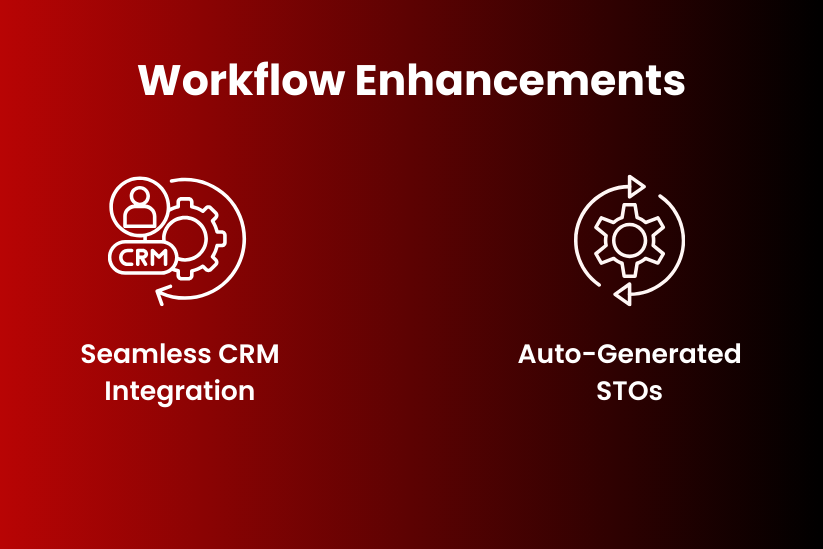
Workflow Enhancements
- Seamless CRM Integration: Simplify intake processes for both your staff and patients, creating a smoother experience for everyone.
- Auto-Generated STOs: Automatically create service treatment objectives, reducing documentation time and ensuring consistency with treatment plans.
Benefits for Your Practice
- Enhance team productivity with better collaborative tools.
- Reduce errors and save time on administrative tasks.
By adopting these workflow improvements, many organizations have reported a 35% increase in operational efficiency helping you focus on what matters most: patient care.
The Role of Applied Behavior Analysis Techniques in 2026
As providers of ABA Therapy, you understand the foundational importance of Applied Behavior Analysis techniques. In 2026, these techniques are evolving alongside advancements in technology and research.
Evolving Trends
- Naturalistic Interventions: Encourage the generalization of skills in real-world settings.
- Mobile Integration: Apply ABA techniques in real-time using mobile platforms for better accessibility and tracking.
- Updated Skill Libraries: Leverage pre-built libraries to incorporate the latest practices into your therapy plans.
By embracing these developments, you ensure your therapy remains effective, scalable, and grounded in evidence-based practices.





Enhancing Patient Engagement in Autism Care
Engaging patients and their families is critical for success in autism care. The latest trends emphasize improved communication and creating more inclusive therapy environments.
Strategies for Better Engagement
- New Clinical Features: Updated forms and tools encourage families to participate more actively in therapy plans.
- Behavioral Libraries: Help caregivers reinforce positive behaviors at home with pre-built, easy-to-use programs.
Outcomes
- Increased family involvement in therapy leads to better skill retention and generalization for patients.
- Higher satisfaction rates among patients and caregivers.
Studies show that improved patient engagement can boost therapy success rates by 15%, reinforcing the importance of inclusive approaches.
Conclusion
As these trends reshape the future of ABA Therapy in 2026, adopting these emerging trends while maintaining operational efficiency is essential. This is where Behavioralproz revenue cycle management consultants can provide invaluable support. We understand the challenges healthcare providers face in managing financial operations alongside delivering high-quality autism care. With our expertise in revenue cycle management, we help seamlessly integrate automation tools into billing systems, reduce claim denials through proactive documentation management, and improve financial planning to enable investment in emerging technologies and methodologies.
The future of ABA Therapy is bright, and with the right tools and support, you can enhance clinical outcomes while ensuring financial sustainability. Let Behavioralproz guide you in navigating this exciting new chapter for autism care so that together, we can shape the future of ABA Therapy and deliver the exceptional care your patients deserve.