SAMHSA’s Latest Substance Use Disorder Data: 10 Must-Know Numbers

Substance use disorder (SUD) remains a growing concern across the United States, impacting millions of individuals and their families. Understanding the latest data can help behavioral healthcare providers identify key areas of focus and implement effective treatment solutions. SAMHSA (Substance Abuse and Mental Health Services Administration) recently released a set of crucial statistics that shed light on the current state of SUD in America, highlighting the existing Substance Use Treatment Gap.  Here, we take a closer look at ten key numbers and explore how behavioral healthcare providers can contribute to reducing these figures, all while partnering with revenue cycle management consultants to ensure their financial challenges are minimized.

10 Must-Know Numbers from SAMHSA's on Substance Use Disorder

40.3 Million Americans Reported Having a Substance Use Disorder

SAMHSA, over 40 million Americans, representing nearly 15% of the population aged 12 and older, are affected by SUD. This staggering figure highlights the substance use treatment gap and the urgent need for accessible and effective treatment.

29.5 Million Had an Alcohol Use Disorder

Of those struggling with SUD, 29.5 million individuals reported alcohol-related issues. Alcohol remains one of the most common substances involved in addiction, underscoring the need for increased prevention and education efforts.

24.3 Million Used Illicit Drugs

Nearly 24.3 million people reported using illicit drugs in the past year, highlighting the widespread nature of substance misuse across different communities. This figure emphasizes the substance use treatment gap and the need for comprehensive approaches to drug prevention and treatment.

9.2 Million Had Both Mental Health and Substance Use Disorders

Co-occurring disorders are a significant challenge, with 9.2 million individuals suffering from both mental health issues and SUD. Integrated care that addresses both conditions simultaneously is essential to provide holistic and effective treatment.

16.5% of Adolescents Reported Using Substances

Substance use among adolescents remains a major concern, with over 16% of individuals aged 12 to 17 reporting substance use in the past year. Prevention programs targeting young people are critical to curbing this trend.

41.1 Million Needed Treatment but Did Not Receive It, Highlighting The Substance Use Treatment Gap

Alarmingly, 41.1 million Americans needed SUD treatment but did not receive it. This gap indicates significant barriers to accessing care, whether due to stigma, lack of resources, or limited availability of services.

8.7 Million People Misused Prescription Pain Relievers

Prescription pain reliever misuse affects 8.7 million individuals. Addressing the factors contributing to prescription drug misuse, such as overprescribing and lack of patient education, is vital in reducing these numbers.

17.1% Increase in Overdose Deaths

The report revealed a 17.1% increase in overdose deaths from the previous year, demonstrating the dire need for expanded access to naloxone, overdose prevention education, and treatment services.

8 Million Reported Driving Under the Influence of Alcohol

Despite ongoing public awareness campaigns, 8 million individuals admitted to driving under the influence of alcohol. Continued education and legal enforcement efforts are essential to address this risky behavior.

65% of Individuals With SUD Are Unemployed

Employment challenges are common among those with SUD, with 65% of individuals reporting being unemployed. This highlights the need for job training and supportive employment programs as part of recovery efforts.
Ways to reduce substance use disorder

How Behavioral Health Care Providers Can Help Reduce These Numbers

The data above paints a concerning picture of substance use across the country, but behavioral health care providers are uniquely positioned to make a difference. By focusing on effective interventions, integrated care, and comprehensive support, providers can help reduce these figures and make an impact in their communities. Here are some ways to address these challenges:

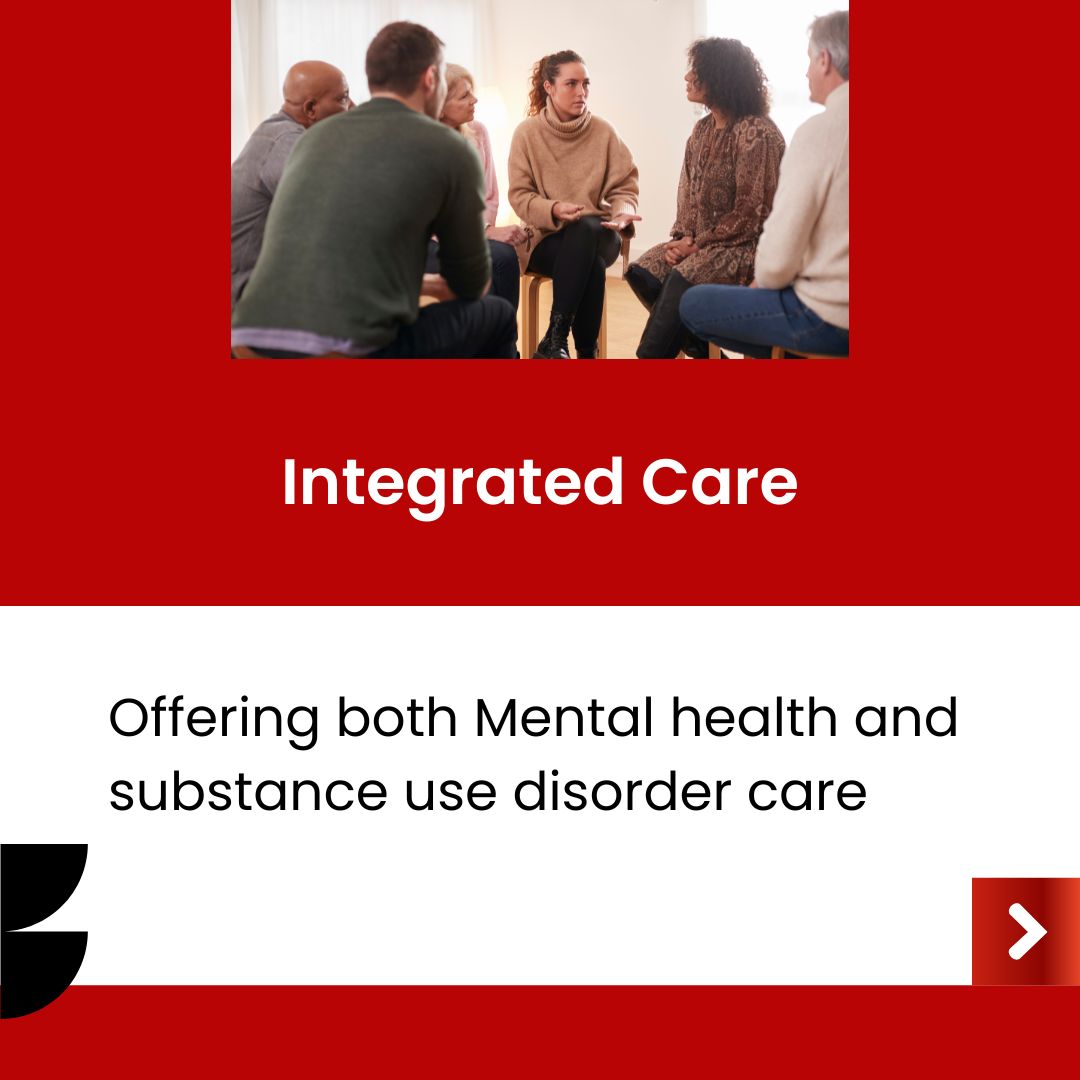
1. Integrated Care for Co-Occurring Disorders

With 9.2 million individuals experiencing both mental health and substance use disorders, it’s critical to offer integrated care. Behavioral health providers can develop programs that simultaneously address both conditions, improving patient outcomes and reducing the chances of relapse. Collaboration between mental health professionals and addiction specialists is key to providing this integrated approach.

2. Prevention and Early Intervention for Adolescents

Early intervention is vital for reducing substance use among adolescents. Behavioral health providers can work with schools and community organizations to implement educational programs that promote healthy coping mechanisms and provide support for at-risk youth. Engaging families in the conversation can also strengthen prevention efforts.

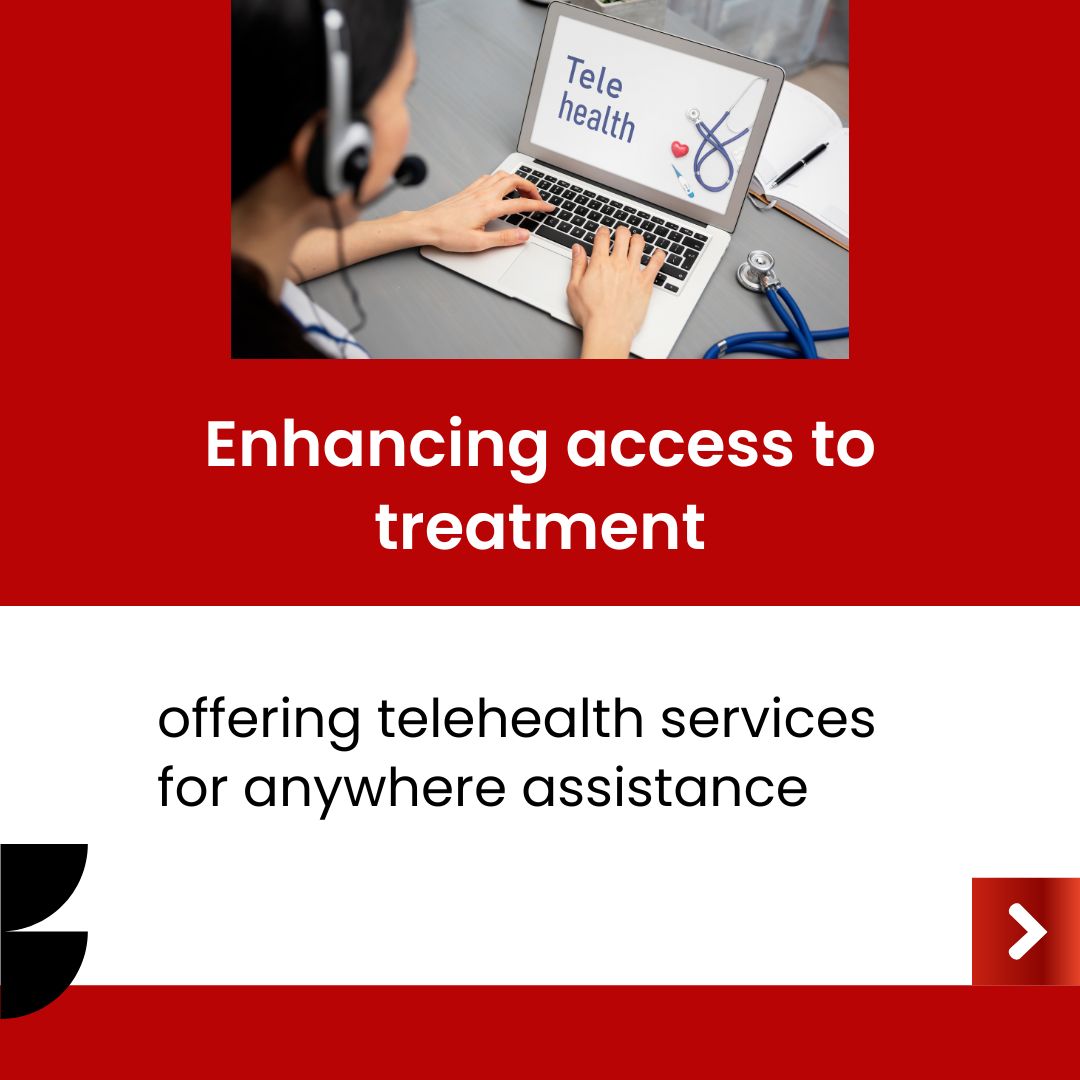
3. Expanding Access to Treatment and Reducing Substance Use Treatment Gap

The fact that over 41 million people needed but did not receive treatment highlights the barriers that many individuals face. Behavioral health care providers can work to expand access by offering telehealth services, community-based outreach programs, and partnerships with other healthcare providers to ensure that those in need can access timely care.

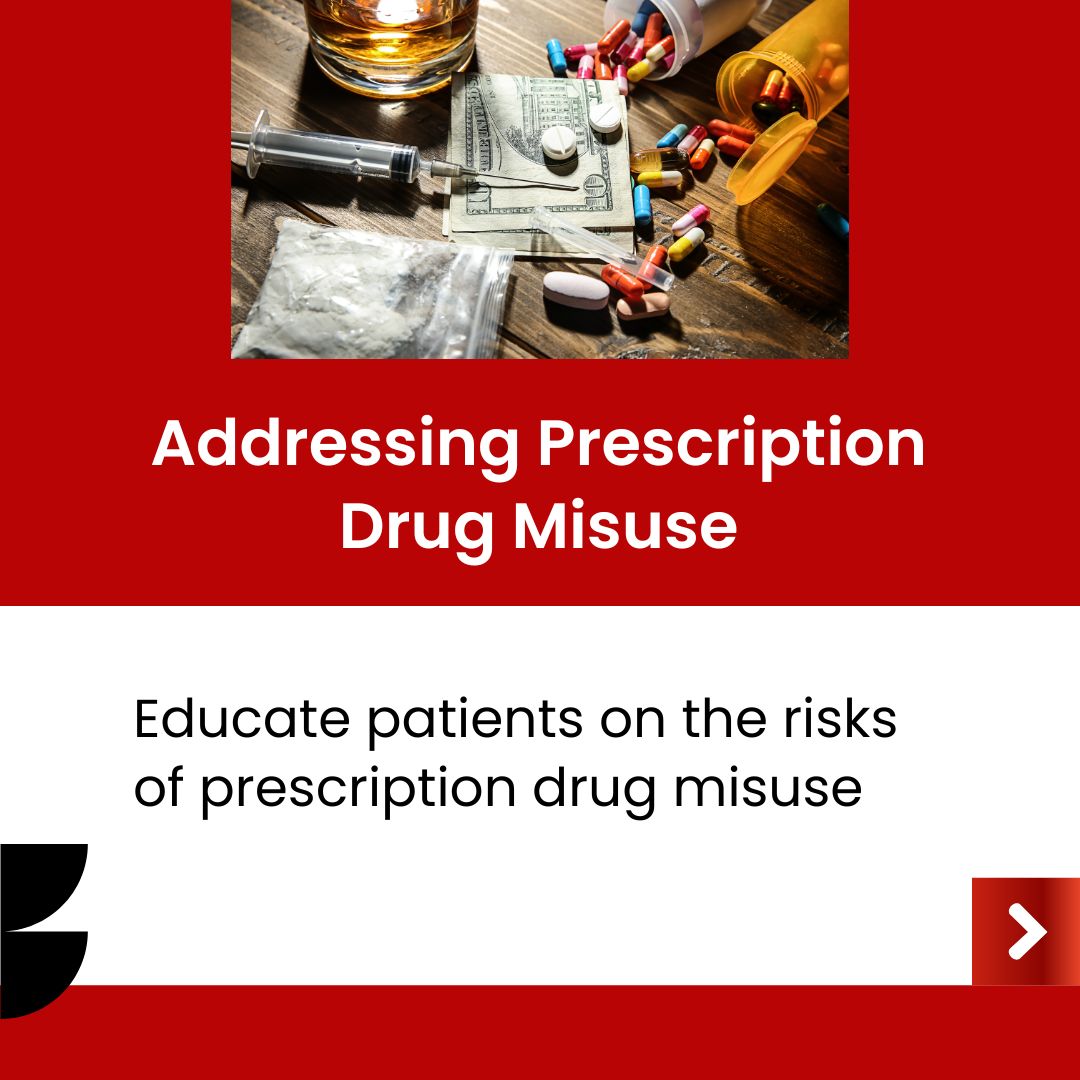
4. Addressing Prescription Drug Misuse

Misuse of prescription pain relievers is a major driver of substance use disorders. Providers can implement prescription monitoring programs, educate patients on the risks of prescription drug misuse, and offer alternative pain management techniques such as cognitive behavioral therapy or non-opioid medications to help reduce the prevalence of misuse.

5. Supporting Employment for Those in Recovery
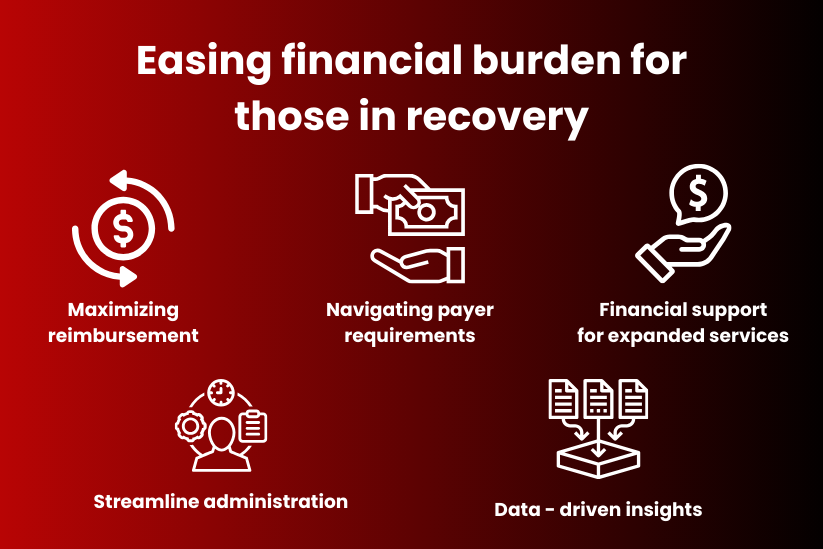
Employment is a key component of recovery, yet 65% of individuals with SUD are unemployed. Behavioral health providers can partner with local businesses and workforce development programs to help patients find and maintain employment as part of their recovery journey. Employment support can help provide the stability that is crucial for long-term sobriety.
Easing financial burden

Revenue Management Support: Easing the Financial Burden

While behavioral health care providers work tirelessly to reduce these alarming numbers, they often face challenges related to financial sustainability and reimbursement complexities. The constant struggle to get reimbursed for services can divert attention away from patient care and slow down the implementation of essential programs. Revenue management consultants can play an instrumental role in ensuring that providers get paid on time, allowing them to focus on what matters most—the health and well-being of their patients. Here are some of the ways in which revenue cycle consultants can help behavioral health care providers:

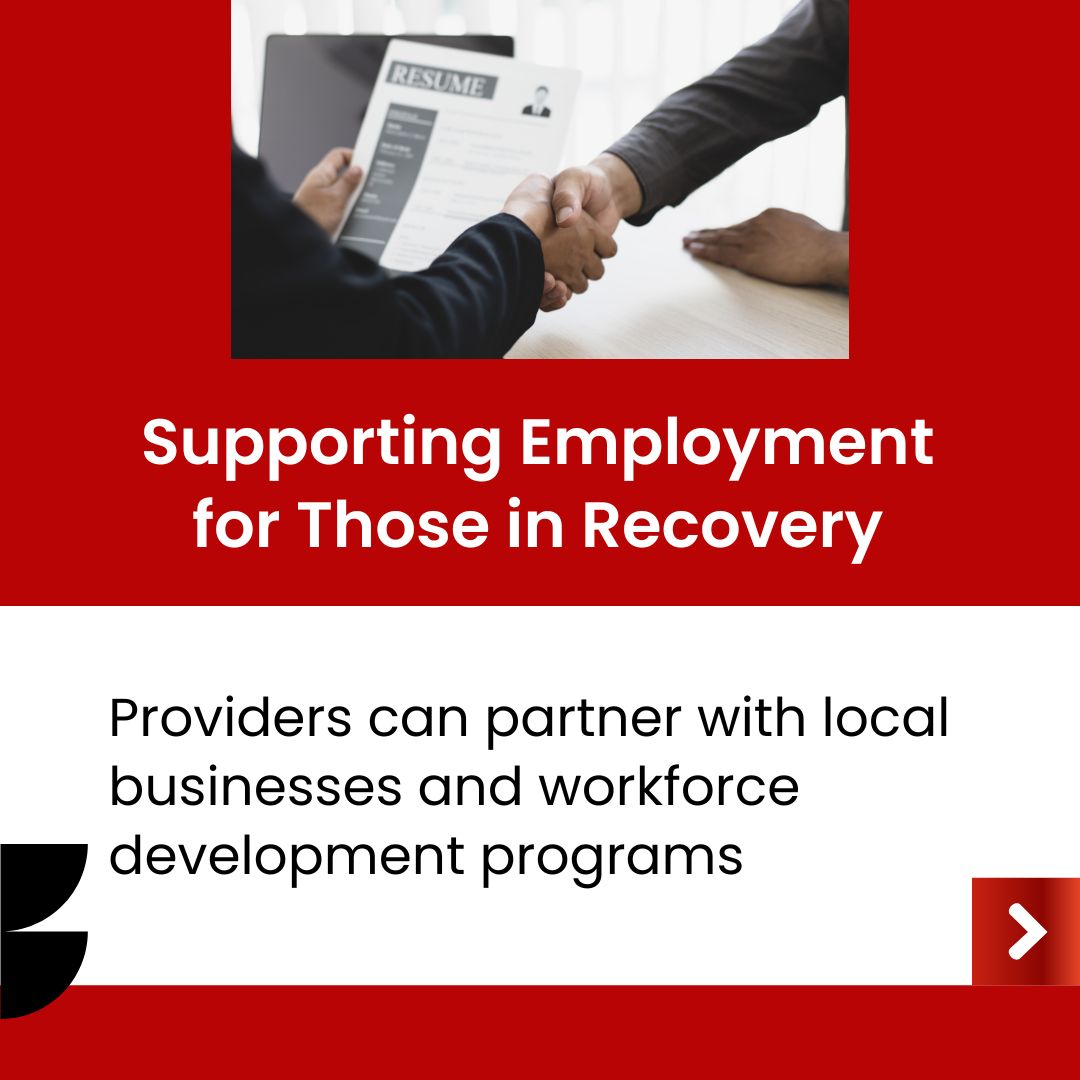
1. Maximizing Reimbursements

Revenue management consultants ensure that behavioral health providers are maximizing reimbursements by implementing efficient billing processes, reducing claim denials, and improving coding accuracy. By understanding payer-specific requirements and the intricacies of behavioral health billing, consultants help minimize delays in payments and maximize revenue.

2. Navigating Complex Payer Requirements

Behavioral health services often involve multiple layers of payer requirements, which can be difficult to navigate. Revenue management consultants provide expertise in dealing with payers, ensuring that providers are compliant with all requirements and submitting claims correctly the first time. This reduces administrative burdens and ensures consistent cash flow.

3. Streamlining Administrative Processes

Revenue cycle consultants streamline administrative processes by automating repetitive tasks, handling claims submissions, and managing follow-ups with payers. This reduces the administrative workload for providers, allowing them to dedicate more time to patient care and reduce burnout among their staff.

4. Ensuring Financial Viability for Expanded Services

Expanding services to reach more individuals—such as offering telehealth options, new prevention programs, or integrated care models—requires financial viability. Revenue management consultants can help providers assess the financial feasibility of these expansions and ensure that they receive appropriate reimbursements for newly offered services.

5. Providing Data-Driven Insights
Effective revenue cycle management is built on data-driven insights powered by AI & Automation. Revenue management consultants can provide behavioral health providers with the necessary data to identify patterns of denied claims, track reimbursement trends, and understand financial pain points. These insights help providers make informed decisions that improve revenue and enhance patient care.
Slide 1
Slide 2
Slide 3
Slide 4
Slide 5
Slide 6
Slide 7
1/7

Conclusion

The latest SAMHSA data on substance use disorder is a stark reminder of the work that needs to be done to address addiction and improve the well-being of millions of Americans. Behavioral health care providers are at the forefront of this battle, offering essential care and support to individuals in need. However, addressing these challenges requires not only clinical expertise but also financial stability.

BehavioralProz, as a dedicated revenue management consulting firm, is here to support behavioral health providers by taking on complex reimbursement processes, allowing providers to focus on delivering quality care. Together, through effective treatment and streamlined revenue management, we can work towards reducing the prevalence of substance use disorders and improving the lives of countless individuals.

If you are ready to improve your revenue cycle processes and focus more on patient care, reach out to BehavioralProz today.