1. Mental Health Treatment Approval of Psychedelic-Assisted Therapy for PTSD
The FDA’s recent mental health treatment approvals of MDMA-assisted therapy for post-traumatic stress disorder (PTSD) have sparked both excitement and caution within the mental health community. Psychedelic-assisted therapies, especially those using MDMA or psilocybin, represent a significant departure from traditional mental health treatment approaches, showing promising results for individuals with treatment-resistant PTSD. This is particularly relevant as mental health professionals increasingly look for innovative, evidence-based options for severe cases where standard therapies fall short.
Implications for Providers
For providers, this mental health treatment approval opens new doors for treating PTSD but also introduces various challenges. Psychedelic therapies require a controlled environment, strict dosing protocols, and specialized training for providers. As a result, healthcare organizations may face additional staffing and operational costs to safely administer these mental health treatments. Furthermore, insurance coverage is likely to be a hurdle; while the FDA has approved MDMA-assisted therapy, insurance policies are just beginning to address psychedelic-assisted care and may initially limit reimbursement for these services.
This is where revenue cycle management consultants come in. RCM consultants help healthcare providers navigate new billing codes, documentation requirements, and reimbursement strategies related to psychedelic-assisted therapies. By aligning claim submissions with payer standards, RCM consultants can support providers in maximizing reimbursement while avoiding unnecessary denials. Consultants also offer predictive analytics, enabling providers to forecast reimbursement potential for new therapies and make informed financial decisions.
Billing Tips from RCM Consultants
- Identify Applicable Codes: RCM consultants stay updated on new billing codes, ensuring that claims accurately reflect the services provided.
- Streamline Documentation: Psychedelic-assisted therapy requires strict documentation. Consultants can help providers establish workflows to capture every required detail.
- Manage Denials Proactively: RCM specialists anticipate potential payer hesitations, equipping providers with strategies to handle denied claims and appeals effectively.
2. Rejection of Comprehensive Medicaid Coverage for Intensive Outpatient Programs (IOPs)
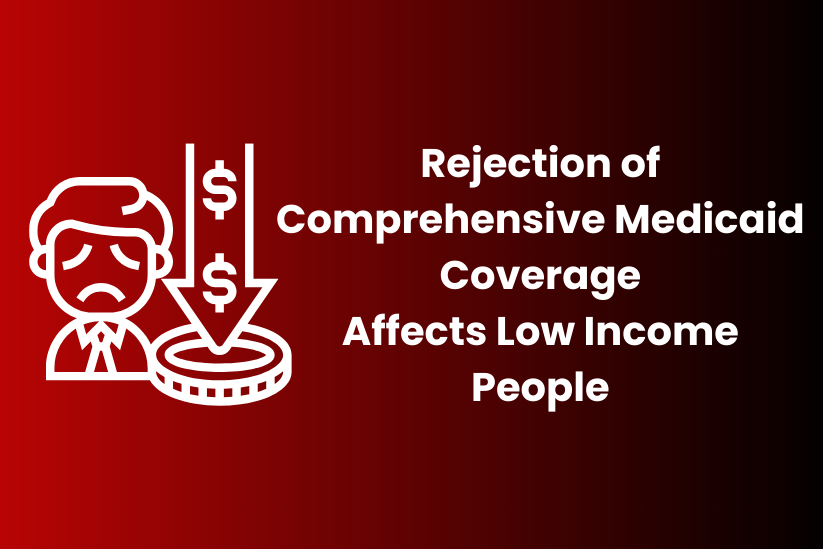
Intensive Outpatient Programs (IOPs) are critical in mental health treatment, bridging the gap between inpatient and outpatient care. IOPs offer structure and support for individuals transitioning from hospital settings or needing more intensive care than typical outpatient services provide. Unfortunately, recent decisions to deny Medicaid expansion for IOP coverage have limited access to these services, especially for low-income populations who depend on Medicaid.
Implications for Providers
The rejection of expanded Medicaid coverage poses a dual challenge: financially and operationally. Providers serving Medicaid patients now face a situation where many of their patients cannot afford IOPs, resulting in delayed or interrupted care. This can lead to higher patient admissions in emergency rooms or inpatient facilities, both of which are significantly costlier options. Additionally, with more patients unable to access IOPs, providers face lost revenue streams, potentially reducing resources available for other critical services.
Revenue cycle management consultants can assist in alleviating the financial strain by optimizing claims management and denial tracking. Consultants can work with healthcare organizations to identify documentation errors that commonly lead to Medicaid claim denials and adjust workflows to prevent recurring issues. Additionally, RCM consultants can offer guidance on diversifying revenue streams to reduce dependency on Medicaid reimbursements alone. This can include strategic planning to increase the share of private payers or identify grants and alternative funding to offset the shortfall.
Strategies for Sustaining Revenue Amid Medicaid Limitations
- Improve Denial Management: RCM consultants implement denial tracking systems, helping providers understand common causes of denied claims and improve resubmission rates.
- Optimize Alternative Funding: Consultants assist in identifying potential grants and other funding sources to subsidize care for uninsured or Medicaid-dependent patients.
- Educate Staff on Documentation: By training staff on Medicaid-specific documentation, RCM consultants help minimize errors that commonly lead to claim denials.
3. Conditional Approval of Digital Therapeutics for Depression and Anxiety
Implications for Providers
The conditional approval of digital therapeutics is a positive development for expanding access, but it also comes with specific requirements. Providers using these tools must meet stringent standards for data security, patient privacy, and software functionality. Additionally, digital therapeutics may not be fully covered by all insurance plans, which can create financial challenges for providers looking to adopt these technologies on a larger scale.
For healthcare organizations, RCM consultants play a crucial role in making the integration of digital therapeutics financially viable. These consultants stay on top of payer trends, helping organizations bill for digital services as coverage expands. RCM experts can also guide providers in setting up data tracking to demonstrate the efficacy of digital therapeutics, a key requirement for some payers. By ensuring accurate coding and claims submissions, RCM consultants enable providers to maximize reimbursement for digital mental health treatments and minimize revenue loss due to coverage limitations.
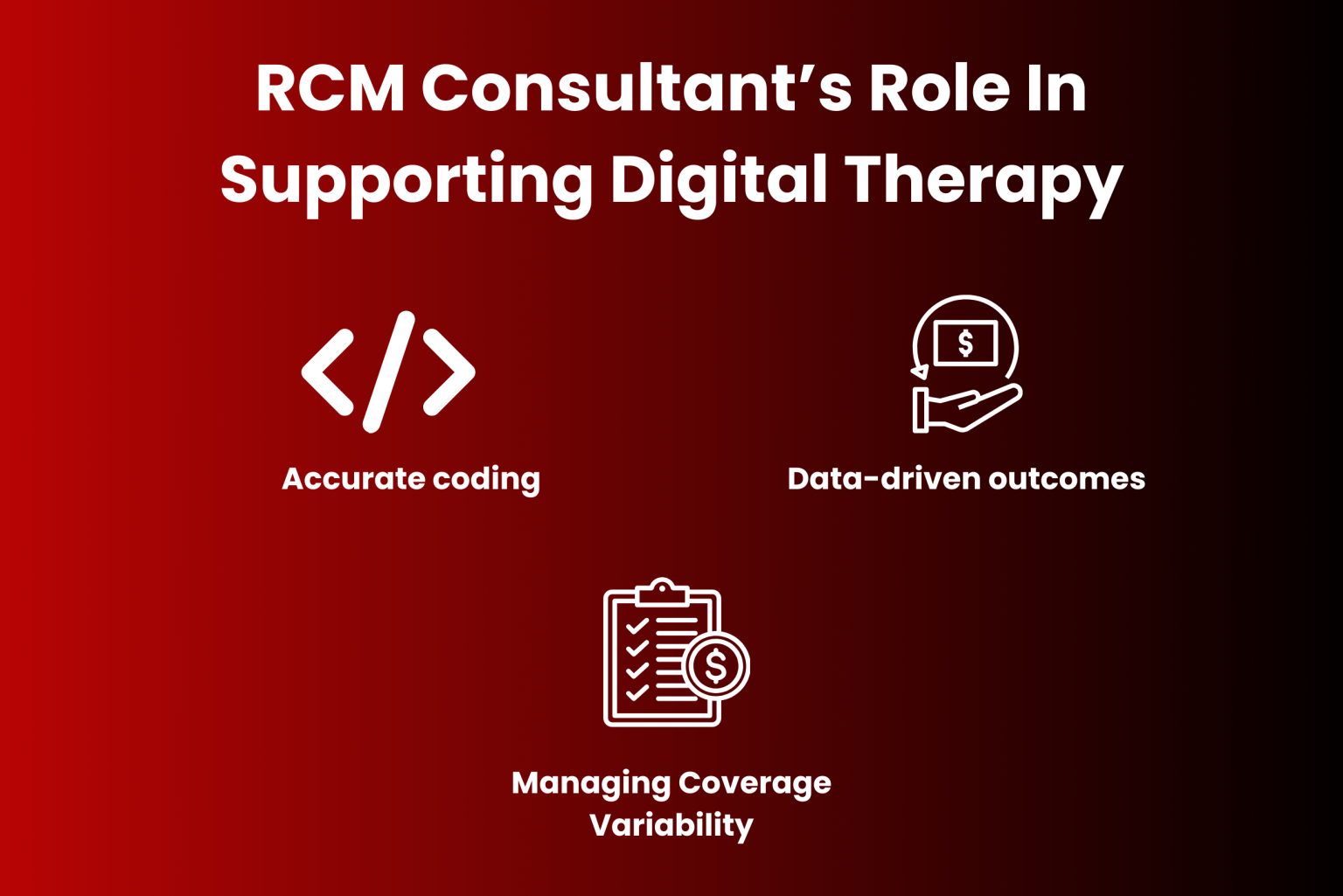
RCM Consultant’s Role in Supporting Digital Therapeutics Adoption
- Accurate Coding for Digital Services: RCM consultants identify the correct codes for billing digital therapeutics, reducing errors in claims submission.
- Data-Driven Outcomes Monitoring: Consultants assist in tracking patient outcomes to demonstrate the efficacy of digital therapeutics to payers.
- Managing Coverage Variability: By staying updated on payer policies, RCM consultants help providers navigate coverage limitations and advocate for reimbursement when possible.
Navigating the Future of Mental Health Care with Revenue Cycle Management
As mental health care continues to evolve, providers must adapt to a landscape marked by shifting mental health treatment approvals and rejections. Each decision—whether it involves groundbreaking therapies or limitations on traditional programs—has direct implications for patient access, provider workflows, and financial health. While these changes are necessary to ensure safe and effective care, they can create substantial administrative and billing challenges for healthcare organizations. This is where the expertise of revenue cycle management consultants becomes invaluable.
Partnering with a skilled RCM consultant allows healthcare organizations to respond proactively to regulatory shifts and avoid disruptions in revenue. Consultants like BehavioralProz bring in-depth knowledge of payer requirements and provide strategic guidance to navigate new billing codes, manage denied claims, and optimize revenue capture. Through these services, BehavioralProz helps providers focus on what matters most—delivering accessible, high-quality care for their patients.