

Table of Contents
EIBI Cost vs. Benefit: What Growing ABA Practices Need to Know About Service Delivery
Applied Behavior Analysis (ABA) therapy is entering a defining phase of growth. With the market projected to approach $8 billion by 2025 and a steady annual growth rate exceeding 4.5%, the demand for EIBI (Early Intensive Behavioral Intervention) ABA practices has increased.
EIBI-focused practices are swamped with new cases with the rise in autism diagnoses. If you’re trying to expand your practice while juggling the headaches of reimbursement and day-to-day operations, you’re not alone. Here’s what you need to know to keep your EIBI programs strong and ready for the future.
What Is EIBI? And Why Do Service Models Matter?
Early Intensive Behavioral Intervention (EIBI) is a hands-on, evidence-based therapy built on the backbone of Applied Behavior Analysis (ABA). It’s mostly for young kids with autism, usually under six, and it aims to help them learn the basics: how to talk, connect with others, and handle daily life.
EIBI stands out because it’s both intense and tailored. Picture this: a kid might spend 20 to 40 hours a week working one-on-one with a therapist, learning step by step with plenty of encouragement along the way. The main goal? Give kids the best shot at developing strong skills early, so down the road, they’ll need less support.
Why More Families Are Seeking EIBI?
With more states forcing insurance companies to cover autism treatments, including ABA, families are finally able to access EIBI. The autism services market in the U.S. sits around $4.4 billion for 2025, but it’s on track to pass $6.7 billion by 2035. Most of this growth comes from more autism diagnoses and wider use of ABA therapy.
Right now, about 1 in 36 kids gets diagnosed with autism – up from 1 in 44 just a few years ago. That’s a lot more families looking for early intervention programs. Insurance reforms now require ABA coverage everywhere, even under Medicaid. That opens the door for over 200 million people, which means practices are seeing more patients than ever.
What Are The Three EIBI Service Delivery Models?
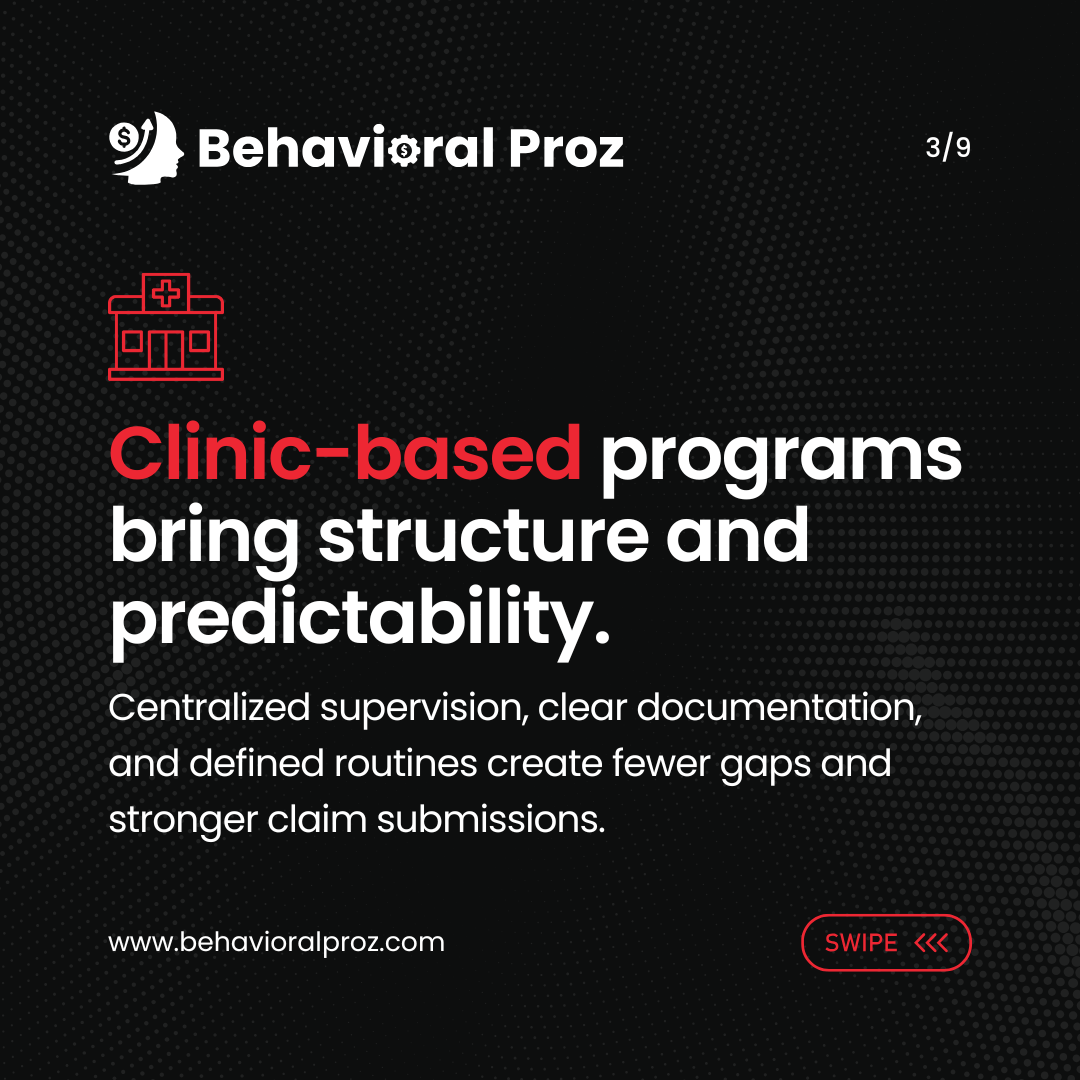
- Clinic-based programs offer a structured setup. Kids work in dedicated spaces, overseen by Board Certified Behavior Analysts (BCBAs), with easy access to all sorts of resources under one roof.
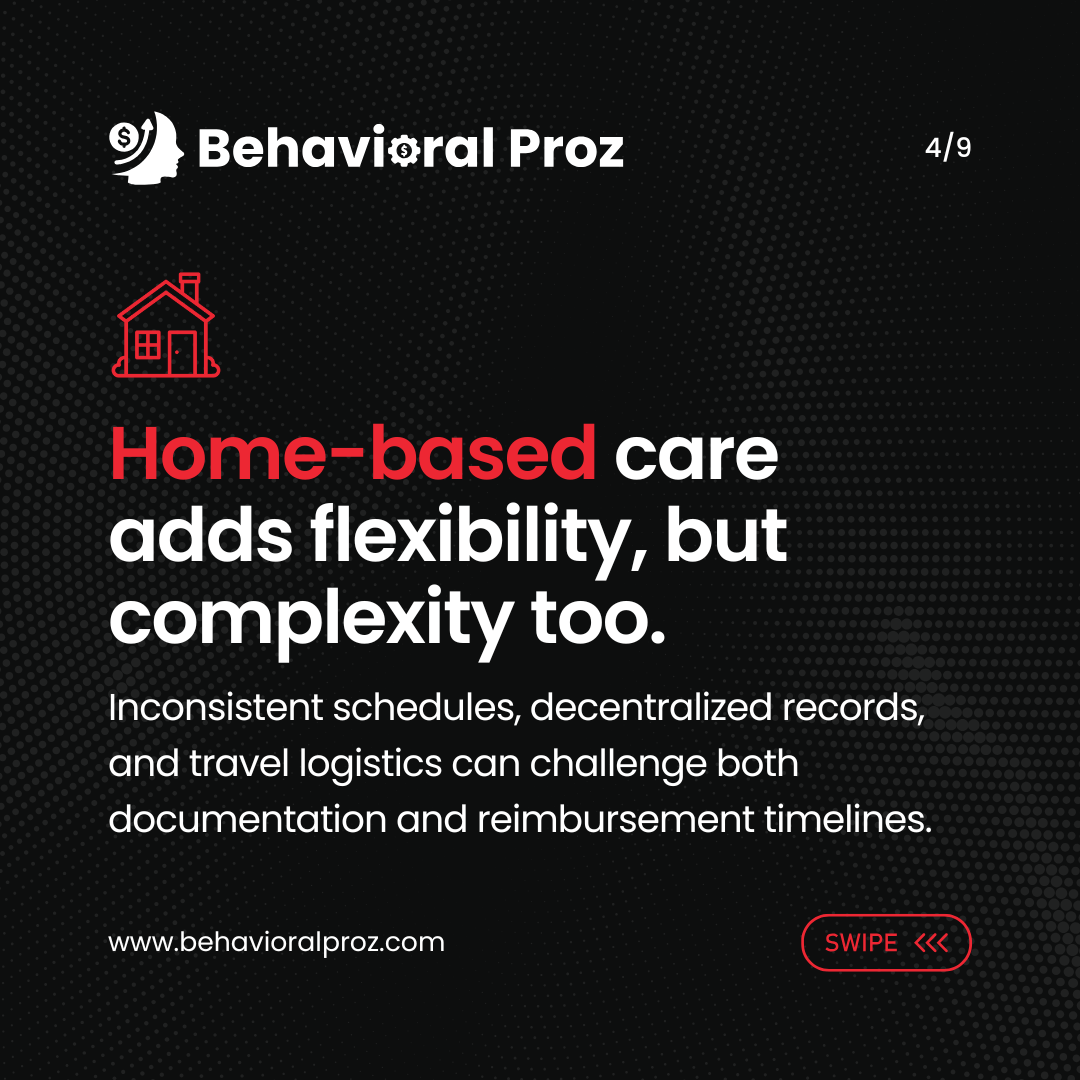
- Home-based models, on the other hand, let kids practice skills right where they live. That makes it easier to carry progress into everyday life. Families get more flexibility, but providers have to juggle travel and scheduling, which isn’t always simple.
- Then there’s the hybrid or center-supported approach – a mix of both. You get the consistency of a clinic with the personal touch of home visits.
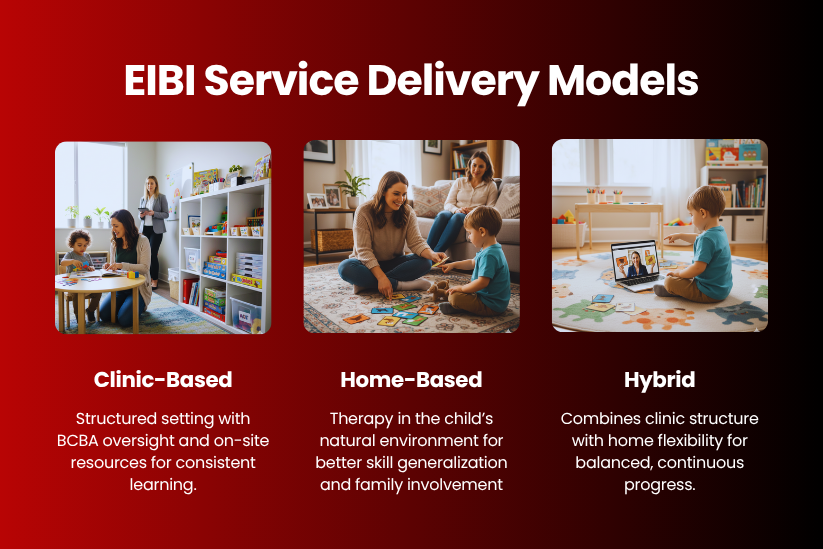
Each setup has its own challenges. Clinic-based care costs more to run but usually means tighter supervision. Home-based programs can stretch therapists thin and make travel a pain. Hybrids? They’re flexible but can turn scheduling into a puzzle. And when you zoom out, you see how these choices impact everything from staffing and supervision to billing and insurance. At the end of the day, the trick is to balance great care with a system that can actually keep up, especially as more families seek help.
Why EIBI Demand Keeps Increasing and Why It Matters for Your ABA Practice?
This surge in EIBI brings various implications in ABA practices. It’s changing everything about how you handle ABA practice management. The big question: Can you keep up with demand, bill correctly, and still deliver great care without burning out your team or breaking compliance rules?
New regulations, changing insurance policies, and a shrinking workforce force ABA providers to rethink how they spend money and handle billing.
At Behavioral Proz, we’ve been in the trenches with ABA practices, helping them balance top-notch clinical care with solid financial results.
How ABA Service Model Influences Clinical Quality and Financial Sustainability?
The service model you pick doesn’t just affect the therapy – it shapes the whole operation. Center-based programs tend to run tighter ships: cleaner billing, smoother insurance claims, and better compliance.
Home-based programs lean into accessibility and family convenience, even if that means more bumps with logistics.
Hybrid-care split the difference, usually saving a bit on costs but complicating schedules.
One thing is clear: more therapy hours lead to bigger gains for kids, as long as documentation and oversight keep up.
Where Operational Inefficiencies in ABA Therapy Often Begin?
Most of the ABA RCM challenges begin with scheduling messes, slow authorizations, missing notes, or billing mistakes. Each model brings its own set of workflow hiccups. Smaller practices especially feel the squeeze when it comes to staying compliant and keeping up with paperwork as they grow.
How Much Does It Really Cost to Deliver EIBI Services?
Running EIBI is mostly expensive. Therapist pay drives most of the cost, and rates are all over the map: from $60 to $200 an hour, depending on where therapy happens, who’s delivering it, and how intense the program is.
Clinics usually charge the most – $120 to $200 an hour. Home-based sessions run a little lower, somewhere between $80 and $150. Supervisors (the BCBAs) tack on another $30 to $85 per hour for oversight, and the more intensive the plan, the more supervision you need.
Then there are materials: assessment tools (think $200 to $500 for the first evaluation), learning supplies, and the tech for tracking progress.
For most kids, EIBI involves many hours of therapy each week, making it a significant annual investment in both time and resources. When you factor in assessments and ongoing check-ins, the commitment is substantial, but for many families, the value and impact are truly priceless.
How More Patients Impact The Bottom Line of ABA Care?
Here’s the challenge: more patients means more strain on your staff and operations. There just aren’t enough Board Certified Behavior Analysts (BCBAs) to go around. Waitlists grow, staff burn out faster, and finding or keeping good therapists gets harder, and more expensive.
Labor chews up most of the budget in ABA programs, especially with EIBI, where each child might need up to 40 hours a week. You have to pay competitive wages and may need to invest in better tech just to hold onto your team and avoid shrinking your margins.
As reported in a study, the average individual EIBI cost was estimated using an average full-time (40-hour) EIBI program cost of $63,500. The estimate was derived by applying the average EIBI utilization rate of 12 hours per week and an 86% drop-off rate after early childhood, with discounting applied.
How Service Intensity, Payer Rules, and Finances Connect in EIBI?
EIBI only works when therapy is consistent and intensive. But payers keep a close watch, demanding tons of documentation and proof that each child is making progress. High-frequency services can bring in more revenue, but only if every step, from clinical notes to claims and authorizations, runs smoothly.
Payer rules set the bar for coverage and renewal, so practices need airtight procedures for tracking progress and supervision. Slip up, and your claims get denied, cash flow stalls, and your whole operation can get thrown off.
Why EIBI Cost Structures Need to Change as You Grow?
As your Early Intensive Behavioral Intervention (EIBI) program expands, efficient cost-benefit analysis and scalable systems are essential to maintain quality care while managing the growing administrative and staffing demands. You need integrated technology and smarter revenue cycle management to stay on top.
Smaller clinics often can’t handle the back-office demands of scaling. They partner with RCM services providers for billing operations, or end up specializing, or merging with bigger groups just to keep the lights on and keep growing.
Hidden Costs That Impact ABA Practice Margins?
- Scheduling inefficiencies: Missed appointments and travel time, especially in home-based models, result in billable hour loss and staff underutilization.
- Documentation time: Extensive clinical notes and progress updates—now required for payer compliance, can consume 20–30% of a therapist’s workweek.
- Billing and claim denials: Manual billing errors and payer-specific documentation gaps force re-work, delaying cash flow and increasing admin overhead.
Facility, Technology, and Staffing Cost Comparisons Across Delivery Models
This surge in EIBI brings various implications in ABA practices. It’s changing everything about how you handle ABA practice management. The big question: Can you keep up with demand, bill correctly, and still deliver great care without burning out your team or breaking compliance rules?
New regulations, changing insurance policies, and a shrinking workforce force ABA providers to rethink how they spend money and handle billing.
At Behavioral Proz, we’ve been in the trenches with ABA practices, helping them balance top-notch clinical care with solid financial results.
| Model | Facility Costs | Technology Investments | Staffing Dynamics | Operational Notes |
|---|---|---|---|---|
| Center-Based | High fixed costs (rent, utilities, liability insurance) | Robust systems (EHR, scheduling, billing platforms) | Higher staff productivity and supervision efficiency | Greater operational control and cleaner claim rates offset higher overhead |
| Home-Based | Low facility overhead | Minimal tech infrastructure required | Increased travel time, variable schedules, documentation gaps | Cost-efficient but administratively complex and less predictable |
| Hybrid | Moderate facility spend | Flexible, mid-tier tech investment | Balanced commute times and caseload distribution | Most adaptable cost-to-care ratio with scalable workflow potential |
How to Evaluate Cost Per Clinical Hour vs. Reimbursement Rate?
ABA practices must perform cost-benefit analysis and compare the actual cost per clinical hour (factoring both direct and indirect costs) against the average reimbursement rate per hour by payer and therapy intensity:
| Model | Estimated Cost per Clinical Hour | Average Reimbursement Rate | Margin Insights |
|---|---|---|---|
| Center-Based EIBI | $120–$180 | $130–$200 | Margins depend on payer mix and operational efficiency |
| Home-Based EIBI | $90–$140 | $110–$150 | Lower overhead but prone to revenue leakage due to travel inefficiencies |
| Hybrid EIBI | Variable within mid-range | Variable, moderate reimbursement consistency | Balanced cost structure; flexible for scaling and payer diversity |
How Do EIBI Models Affect Reimbursement and Revenue Flow?
Let’s talk about how EIBI models really shape your revenue and reimbursement. Every claim boils down to one thing: does it fit the insurer’s idea of “medical necessity”? That’s the magic phrase the insurers use to judge if the treatment makes sense, if it’s intense enough, and how long it should last.
If you know what they’re looking for, you’ve got a better shot at keeping your revenue steady and staying out of trouble.
How Payers Define "Medical Necessity" for EIBI Services?
So, what counts as “medical necessity” for EIBI? Payers set the bar high. You need a confirmed ASD diagnosis, regular progress reports, supervisors with the right credentials, and clear evidence that the child is making real progress in important areas.
State plans have to cover autism services, and federal law (thanks to the Autism CARES Act) put up $1.8 billion over five years to help. Still, payers keep tightening the screws. They want to see strong documentation, proof that services are still needed, and that the intensity of care is justified.
Why Service Delivery Models Impact Claim Approvals and Denials?
- Center-based programs usually have their act together with paperwork, schedules, and supervision. This means claims are more likely to go through without a hitch.
- Home-based services, though, can be messy. Notes get skipped, supervision isn’t always on point, and sessions can be inconsistent, which all add up to more denials.
- Hybrid models? They’re a mixed bag, and it really comes down to whether you keep records centralized and supervision tight.



How Should ABA Practices Evaluate the True Cost-Benefit of Each Service Delivery Model?
Start by looking at everything you spend – staffing, tech, admin work -and stack that up against what you actually get out of it: things like how many patients you reach, the quality of care, and how smoothly you get reimbursed.
But don’t just count dollars. Think about whether the model actually lasts and grows with your clinic’s long-term goals, both clinically and financially.
Let’s explore how specific AI and digital tools are transforming both clinical and operational aspects of ABA, and what to look for in 2026.
Choosing Right Service Model That Maximizes ABA Access while Minimizing Administrative Overhead
- Home-based programs let you reach more families and keep them engaged, but they’re tough on scheduling and travel – lots of wasted time.
- Center-based models make it easier to supervise staff and keep your documentation tight, so you cut down on admin headaches and insurance denials.
- Hybrid models mix the best of both: you get flexibility and room to grow, but the workflows can get complicated fast.
Metrics To Choose Efficient EIBI Service Delivery Model
– Claim approval rate (clean claims)
– Average days in accounts receivable
– Cost to collect each dollar reimbursed
– Therapist productivity per scheduled hour
– Net collection ratio
What’s Next for EIBI? Trends Shaping Service Delivery and ABA Billing?
EIBI programs are shifting with new service delivery models driven by tech and changing patient needs. At the same time, billing practices are evolving to help providers run more efficiently and stay financially healthy.
Telehealth and Hybrid Therapy Models Are Reshaping Costs
Telehealth and hybrid models have really taken off since the pandemic. They make EIBI more accessible and flexible by mixing remote and in-person sessions. That means lower travel costs and better use of clinicians’ time, all while keeping treatment consistent and engaging.
Overhead drops, especially for home-based programs, and some of the usual bottlenecks fade away. But telehealth comes with its own challenges: documentation, supervision, and tech investments need careful handling to keep reimbursement on track.
AI’s Expanding Role in Behavioral Health Billing
AI is transforming revenue cycle management. It catches billing code errors automatically, helps optimize claim submissions, and can even flag authorization risks before you file. AI digs into massive datasets to find documentation gaps that might trigger denials, so clinicians can fix problems before they cost you.
Predictive analytics also make scheduling and workforce planning smarter, boosting utilization rates. As Medical Realities points out, personalized, predictive tech is quickly becoming the new standard in behavioral health billing.
Payer Policies Keep Shifting — And EIBI Reimbursements Feel the Impact
Payer rules aren’t standing still. They keep asking for tighter documentation, more proof of medical necessity, and regular updates on progress and supervision. New regulations like the Autism CARES Act and recent changes in state Medicaid policies are pushing ABA providers to stay on their toes, constantly adjusting to keep up.
All of this stacks up the paperwork, but it’s also pushing practices to rethink their costs and upgrade their revenue cycle management (RCM) tech just to keep revenue flowing.
Unique RCM Challenges in EIBI Programs & ABA Practice Management
Higher Denial Risks In ABA Billing and Coding
Billing and coding for EIBI isn’t simple. These programs run at a high intensity—kids can get 20 to 40 hours of therapy every week. That means a ton of claims flowing in, and every single one needs to be coded just right (think CPT 97153, 97155, 0362T, and so on).
Payers keep changing their rules, which doesn’t help. With so many claims, it’s easy to make mistakes, miss a detail, and you’re looking at denials for things like missing documentation, hour mismatches, or outdated authorizations.
ABA practices end up losing thousands just because someone skipped a step. Honestly, ABA therapists need constant training and oversight just to keep up.
Authorization and Supervision Pitfalls Impacting Claim Success
Authorizations and supervision are a whole different headache. Payers want proof, right now, that every session has proper supervision and follows the authorized care plan. If a supervisor’s credentials expire or a shift isn’t logged exactly right, claims get denied or payers claw back money you thought you had.
Keeping track of reauthorizations gets overwhelming, especially since therapy often lasts months or years. You can’t slack off on supervision logs either; every claim needs to match up with actual session data.
Long-Duration Therapy Complicating Eligibility and Documentation
Long-term therapy brings its own problems. Since EIBI can last for years, payers look for ongoing proof that the child is making progress and still needs therapy. In ABA practice management using manual records have a hard time pulling together all that history. If parents forget to renew insurance, if documentation falls short, or if session logs aren’t standardized, the child can lose coverage. That’s a risk nobody wants.
Compliance Gaps Increasing Cost for ABA Practices
Then there’s compliance – missed supervision records, sloppy session notes, expired credentials, or missing codes can all lead to denied claims, delayed payments, or even repayment demands.
Every gap means more time and money spent chasing down what you’re owed. In the end, these challenges add up, making RCM in EIBI programs a constant battle.
How CPT Coding and Documentation Drive Reimbursement Outcomes in ABA Billing?
Coding and documentation are where the rubber meets the road. Using the right CPT codes for EIBI (like 97153, 97155, 0362T) depends on things like how long sessions last, who’s supervising, where you deliver the service, and how well you track goals.
Clean, detailed notes and attendance logs that clearly link back to treatment goals make a world of difference. When coding is thorough, claims get approved faster, and you spend less time fighting denials.
The numbers here back up what we’ve seen in recent insurance audits and practice surveys: strong, standardized center-based models do a better job with billing compliance and cash flow.
Decision-makers need to do cost-benefit analysis to really look at their costs compared to what payers expect, tighten up documentation workflows, and keep a close eye on their cost-to-reimbursement ratios as the business grows.
Choosing the right EIBI delivery model, one that uses accurate coding and centralized oversight, makes a real difference, both for clinical quality and for long-term financial health.
Can RCM Technology Make EIBI Programs More Profitable?
Absolutely. Advanced ABA RCM technology helps EIBI programs earn more by automating ABA billing, slashing claim denials, and speeding up reimbursements. When you connect clinical documentation with the revenue cycle, RCM systems let ABA providers capture every billable moment and keep finances on track.
What Happens When You Rely on Manual Billing for Complex Therapy?
Manual billing is risky. Errors sneak in, payments slow down, and money disappears – especially in complicated, long-term therapy cases. Many healthcare leaders suggest that outsourcing RCM takes the pressure off and cuts mistakes by automating scheduling, claims, and billing.
How Does Automation Improve Authorization, Billing, and Collections?
- They send reminders for reauthorization and credentialing.
- Double-check CPT codes and session times for compliance.
- Catch missing documentation before you submit a claim.
- Sync up scheduling and billing so you can see your revenue in real time, without guesswork.
Analytics That Expose Hidden Revenue Losses
Good dashboards don’t just look pretty, they show you where you’re bleeding money. Track claim denial patterns, days to payment, code usage, and authorization status. If the same payer keeps denying claims or you’re not billing for everything you should, you’ll catch it fast.
How Integrated RCM Systems Make Growth Easier?
Bringing EHR and RCM together streamlines data entry, keeps compliance fresh, and lets you scale up quickly, whether that means opening new sites or adding different services. It speeds up your cash flow and gives you real-time insights into growth.
How Do EIBI Programs Connect Clinical Care and Financial Results?
When EIBI programs pull data from treatment plans, session notes, and outcomes straight into their RCM system, everything lines up. Clinical progress translates into accurate billing, rock-solid compliance, and better reimbursement for ABA services.
How Do You Build Workflows That Balance Quality ABA Therapy and Compliance?
Use standardized, template-driven documentation backed by tech. That way, the right clinical details always make it into the record and link back to billable codes. Divide up admin tasks so therapists can stay focused on working with clients.
Financial KPIs Every EIBI-based ABA Practice Should Watch
- First-pass claim approval rate: aim for over 85%
- Days in A/R: keep it under 30
- Net collection rate: shoot for over 95%
- Cost to collect: keep it below 6% of collections
- Therapist billable utilization: target more than 75% of scheduled sessions
Why Documentation Accuracy Matters for Clean Claims?
When you document accurately and follow payer rules, clean claim rates go up and denials go down. Training and regular audits help keep everyone on point.
How Data-Driven Decisions Drive Consistent Profitability in ABA Therapy?
Check your clean claim rates, net collection rate, days in AR, and therapist utilization at least every quarter. Dive into your operational analytics to spot bottlenecks, things like scheduling gaps or missed authorizations. Try new delivery models with pilot tests, and pay attention to how they affect clinical outcomes, finances, and patient satisfaction.
Early Warning Signs Your Costs Are Getting Out of Hand
Profit margins shrinking: If your revenue per case isn’t covering rising costs, you’re losing ground.
Declining Profit Margins: Spikes here flag deeper operational problems.
Surging Staff Turnover or Burnout: Constantly replacing people or seeing widespread fatigue? Your workflows or schedules might be the issue.
Declining Treatment Quality: If audits show weak supervision, missing documentation, or stalled patient progress, your quality assurance needs attention.
Well-organized programs and steady quality checks, using tools like the York Measure of Quality of Intensive Behavioral Intervention, predict better outcomes and long-term sustainability. Don’t ignore the warning signs.
How to Calculate the Breakeven Point for Each Model?
Breakeven occurs where total fixed and variable costs equal total expected reimbursements:
Balancing Compassion and Profit in EIBI Care
It’s tough – practices have to deliver top-notch care while making sure their billing and operations run smoothly. If you lean on data, you make sure kids get the care they need, and the business side stays healthy too.
You can’t build compassionate care on shaky finances. For EIBI practices to last, you need a clear picture of every cost – staffing, supervision, tech, billing – and you have to know how these costs line up with what payers reimburse. Without this kind of clarity, cash flow gets rocky, burnout goes up, and care quality slips.
Why a Proactive RCM Game Plan Matters Now?
The smartest practices aren’t waiting around for problems. They’re rolling out RCM systems that do it all: track real-time payer updates, automate authorization, and shine a light on where money’s slipping through the cracks.
With this kind of setup, they see fewer denials and get paid faster, plus, leaders can actually use the data to make real decisions that fuel growth. In a crowded market, getting RCM right isn’t just about survival. It’s what sets successful practices apart.
How RCM Alignment Frees Up Clinicians and Administrators
When the clinical team and the billing side actually work together, thanks to strong RCM processes, clinicians get to spend more time with kids instead of being buried in paperwork. Admins see revenue come in smoother, with fewer denials. That teamwork lifts both sides and helps everyone deliver better care.
How Smarter ABA Practices Cut Down on Admin Fatigue
Outsourcing RCM equips ABA Therapy providers with centralized workflows, automation, cross-training, and steady reporting which cut down on manual billing headaches and denial chases. That frees up your clinical team to focus on what really matters, delivering care.
Utilizing RCM services isn’t just about survival in EIBI. It’s how practices thrive. If you invest in the right tech, track the right numbers, and keep compliance tight, you’ll boost both profits and patient results.
Ready to take control of your revenue cycle and boost your EIBI practice’s financial performance? Partner with Behavioral Proz for expert RCM services that help you increase collections, reduce denials, and keep your focus where it belongs – on delivering quality care.
Real-World Results: Practices That Scaled With Expert RCM
ABA Therapy providers that worked with specialized RCM partners cut their days in AR by up to 45%. Denial rates dropped from 19% to below 7%. Supervisors got back about 20% of their time, so they could focus on clinical quality and mentoring staff.
Healthcare leaders say, “Choosing an RCM partner who really gets EIBI made all the difference. Our denial rates fell by half, and the new analytics let us quickly pivot our delivery model to boost both quality and revenue.”
When Does Outsourcing RCM For ABA Therapy Make Sense?
If your claim denial rates keep climbing past 10–15%, that’s higher than the usual industry benchmark for EIBI, it’s time to take a closer look. Same goes if your in-house billing team is getting more expensive than the savings you get from keeping RCM in-house. And if your practice can’t grow because admin headaches or compliance mistakes keep getting in the way, especially if you run multiple sites or you’re expanding, outsourcing RCM can really help.
What to Expect From an RCM Partner That Knows ABA Therapy?
Look for a partner who really understands ABA codes (like 0362T, 97153/5, 97151) and knows what each payer wants. You want someone proactive about managing denials, who can show you detailed reports and keep your claims clean from the start.
They should handle authorization workflows, support credentialing, and keep communication transparent. Real-time dashboards for your revenue cycle KPIs, payer trends, and performance improvement are a must.
Questions to Ask Before You Choose a Billing Provider
- How many of your clients focus on ABA or EIBI?
- What’s your average clean claim rate, and what’s your process for handling denials?
- How do your tech and reporting tools work with our current EHR or documentation system?
- What’s your staff-to-client ratio, and how do you train your team to stay compliant?
- Can you put us in touch with clinics like ours for references?
Rethinking EIBI Growth: It’s Not Just About More Patients
Growth isn’t just about squeezing in more appointments. Real success comes from tightening up how the whole operation runs, better workflows, smarter tech, and service models that boost both outcomes and the bottom line. Integrated systems help practices grow without losing sight of quality.
Partner With Experts Who Truly Understand EIBI and RCM
ABA therapy providers do better when they team up with RCM experts who really know the ins and outs of ABA billing and compliance. The right partner keeps revenue steady, eases admin overload, and gives you the insights you need to handle whatever changes come next.
If you keep running into administrative overruns, denial rates stay high, or cash flow slows down, it’s time to rethink your workflows, or bring in an outside RCM partner.
Let Behavioral Proz help you streamline operations, cut costs, and turn your revenue cycle into a growth engine.