

The increasing demand for Applied Behavior Analysis (ABA) therapy has put significant pressure on healthcare facilities, making it essential for you to adopt innovative solutions to optimize your operations. Artificial intelligence (AI) is transforming the way ABA practice management is handled, offering a pathway to enhanced efficiency, improved patient outcomes, and streamlined administrative workflows. As leaders in healthcare facilities, such as CEOs, CFOs, CTOs, COOs, and RCM directors, it is crucial for you to understand the impact of AI in ABA therapy and how it can revolutionize your practice.
Addressing the Growing Demand in ABA Practices
The demand for ABA therapy is rapidly outpacing the availability of qualified providers, creating challenges in delivering timely care. AI in ABA therapy provides a solution by enhancing resource allocation, improving risk assessment, and enabling personalized care delivery. Traditional first-come-first-served approaches may no longer be sufficient; with AI, you can prioritize clinical urgency and ensure that high-risk patients receive immediate intervention.

Enhancing ABA Practice Management with AI
AI-powered solutions can revolutionize ABA practice management by automating and optimizing several critical aspects of your operations:
1. Risk Detection and Analysis:
- AI processes vast amounts of data from patient records, insurance claims, and therapy session reports to identify potential risks and patterns.
- By integrating AI into your ABA practice management, you can gain deeper insights into behavioral trends and intervene proactively.
2. Operational Efficiency and Resource Allocation:
- AI tools help predict patient demand and optimize staff schedules, ensuring that resources are allocated efficiently.
- This technology enables you to manage patient flow better, reduce wait times, and improve overall patient satisfaction.
3. Personalized Treatment Pathways:
- AI analyzes individual patient profiles to recommend customized treatment plans.
- Your ABA practice can leverage AI to develop evidence-based interventions that cater to each patient’s unique needs, enhancing therapy outcomes.
4. Streamlined Administrative Workflows:
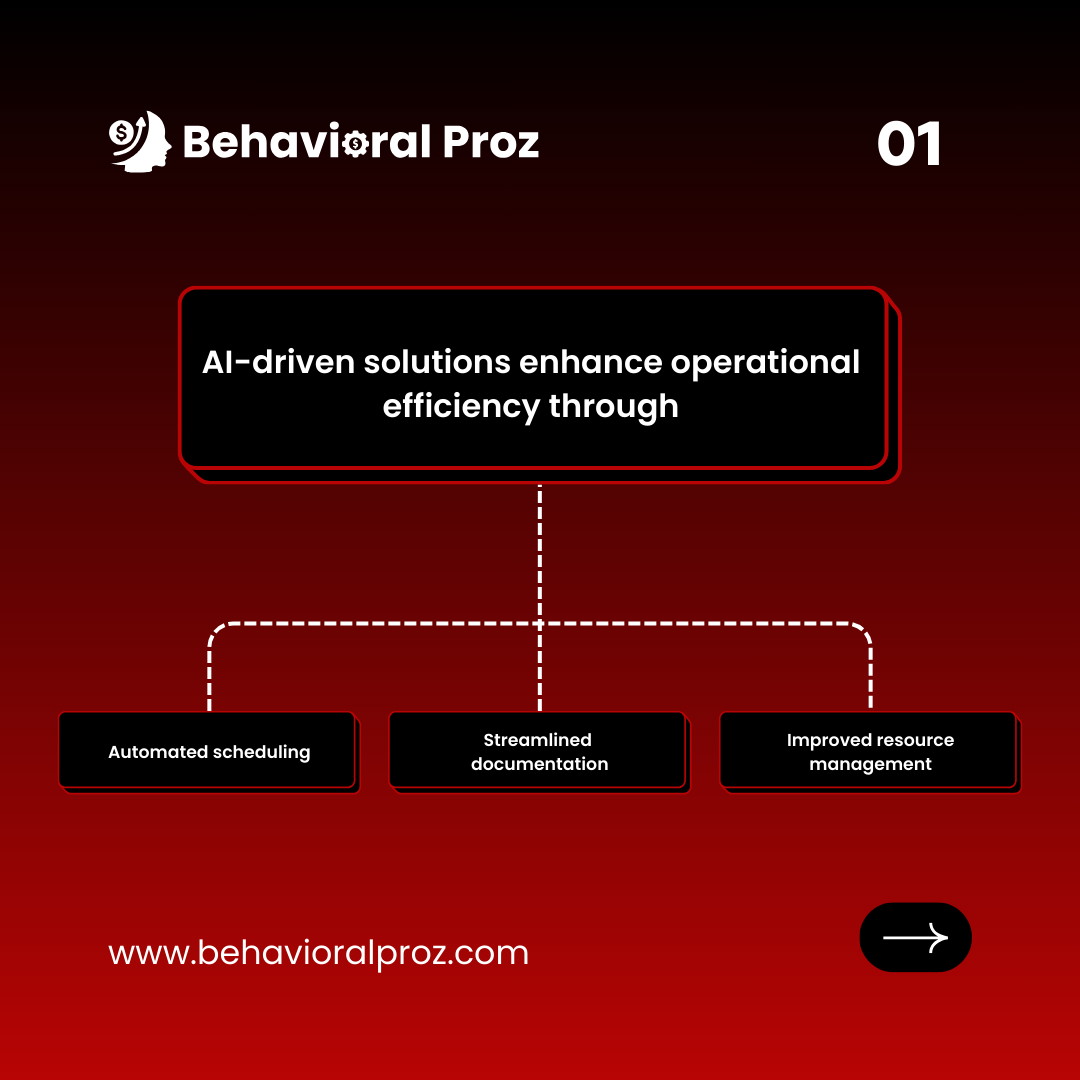
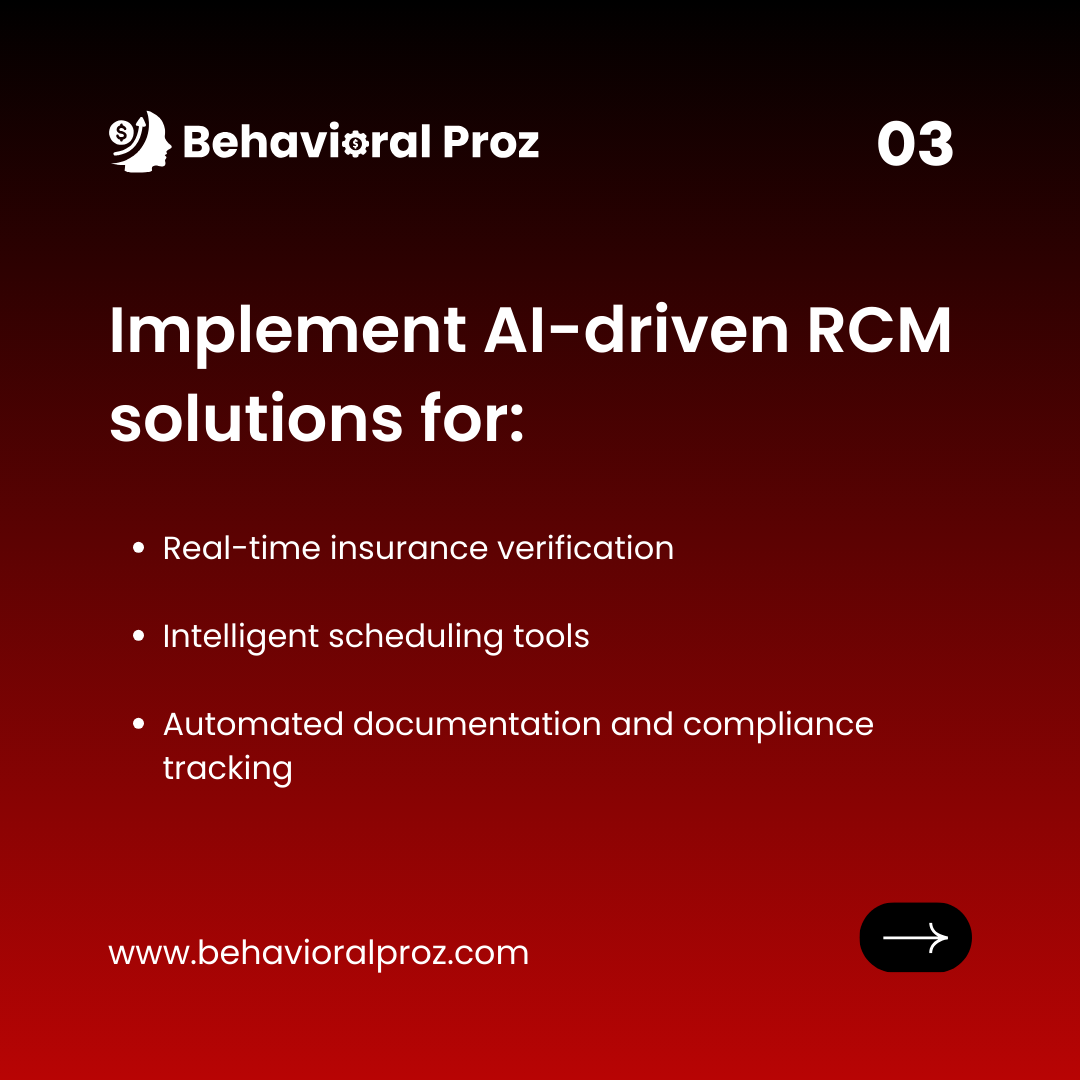
- AI automates appointment scheduling, documentation, and compliance tracking, reducing the administrative burden on your team.
- By integrating AI into your ABA practice management, you can free up valuable time for therapists to focus on patient care.
AI-Driven Insights for Better Decision-Making
AI in ABA therapy equips healthcare leaders with data-driven insights that support strategic decision-making. Whether it’s forecasting future demand, optimizing financial performance, or identifying areas for improvement, AI provides actionable intelligence to strengthen your ABA practice management strategies.
- Predictive Analytics: AI helps you anticipate patient needs and adjust resources accordingly, ensuring that your practice remains responsive and adaptive.
- Enhanced Reporting: AI-driven reporting tools provide real-time insights into therapy effectiveness, helping you measure progress and make data-backed decisions.
RCM AI Solutions for ABA Practices
Patient Insurance Eligibility AI:
- AI insurance verification can instantly verify patient insurance coverage, reducing delays and improving the accuracy of billing processes.
- This helps your practice prevent claim denials and ensure seamless reimbursement workflows.
- AI-powered document management solutions streamline the handling of patient records, treatment plans, and compliance documentation.
- These systems ensure data accuracy, regulatory compliance, and efficient information retrieval.
- AI-powered document management solutions streamline the handling of patient records, treatment plans, and compliance documentation.
- These systems ensure data accuracy, regulatory compliance, and efficient information retrieval.
Ethical Considerations and Implementation Challenges
While AI offers numerous advantages, successful implementation in ABA practices requires careful planning and adherence to ethical considerations. As you integrate AI into your ABA practice management, it is essential to address:
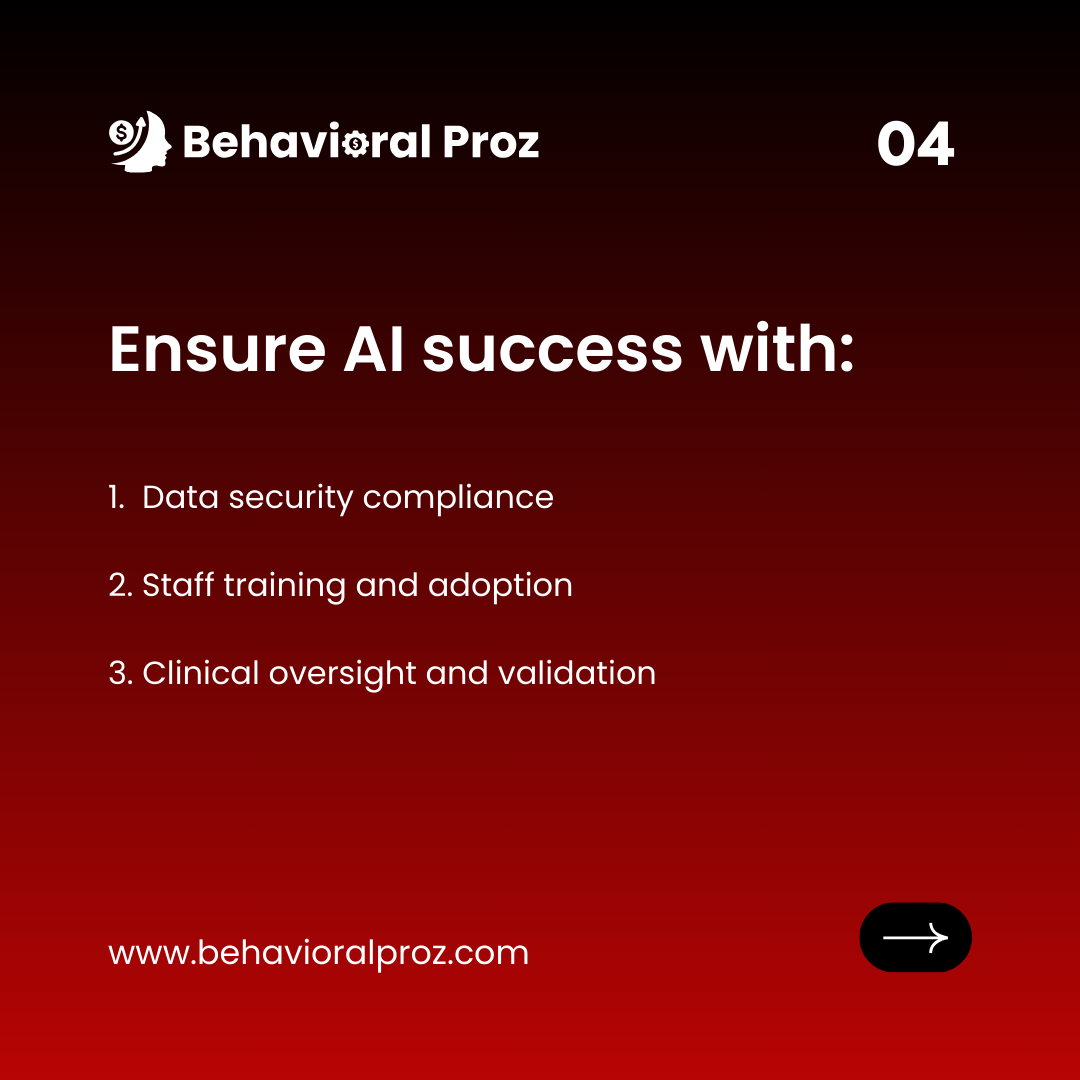
- Data Privacy and Security: Ensuring compliance with HIPAA regulations and implementing robust data protection measures, such as encryption and access controls.
- Clinical Oversight: AI should serve as a supportive tool rather than a replacement for clinical judgment. Your team must have the final say in patient care decisions.
- Training and Adoption: Investing in proper training for your staff to leverage AI tools effectively and ensuring a smooth transition to AI-enhanced operations.
Real-World Applications of AI in ABA Therapy
Leading ABA practices are already experiencing the benefits of AI integration. For example, AI-powered systems are being used to analyze patient behavior patterns, identify early warning signs of regression, and recommend interventions tailored to specific needs.
By adopting AI in ABA therapy, your practice can achieve:
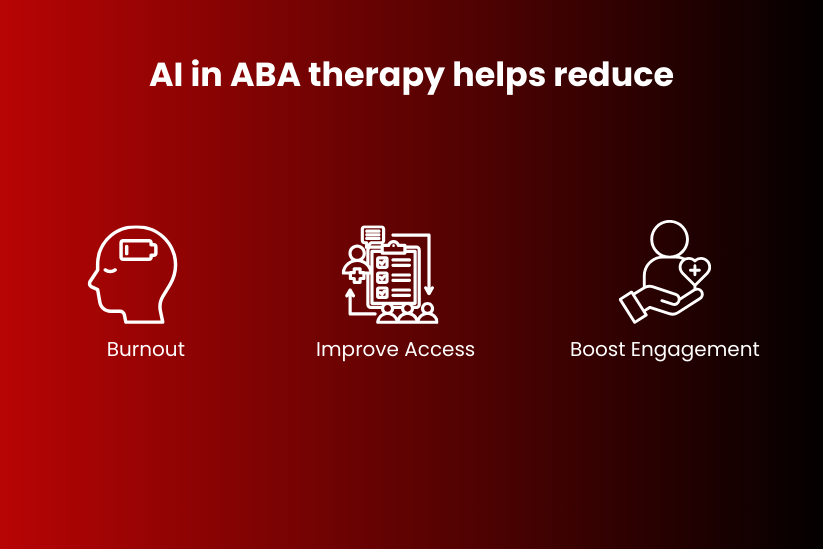
- Reduced therapist burnout through optimized scheduling and workload management.
- Increased accessibility to care through virtual therapy sessions.
- Improved patient engagement with personalized treatment plans and progress tracking.
The Future of AI in ABA Practice Management
As AI technology continues to evolve, its role in ABA practice management will only become more integral. Future advancements may include:
- AI-Driven Behavioral Insights: Providing even deeper understanding of patient behaviors and refining therapy approaches.
- Virtual Assistants: Enhancing therapist-patient interactions through AI-driven chatbots and virtual assistants.
- Continuous Learning Models: Leveraging AI to adapt treatment plans in real time based on patient progress and feedback.

Conclusion
AI in ABA therapy presents an incredible opportunity for healthcare facilities to enhance their practice management capabilities. By integrating AI into your operations, you can optimize resource utilization, improve patient outcomes, and streamline administrative tasks. However, the successful adoption of AI requires careful planning, ethical considerations, and collaboration between clinicians and technology providers.
As a healthcare leader, it is time for you to explore the potential of AI in ABA practice management and take proactive steps to ensure your practice remains competitive, efficient, and patient-focused. The future of ABA therapy is here, and AI is at the forefront of its transformation.