

Behavioral health marketing is evolving rapidly, and with it come new challenges that behavioral healthcare facilities must navigate to stay competitive. As a leader in a behavioral health business, you are likely facing operational hurdles, increased competition, and a need to build trust with patients in a crowded marketplace. Explore the key challenges confronting behavioral health marketing in 2026 and provide actionable solutions to help you succeed.

Top Challenges in Behavioral Health Marketing
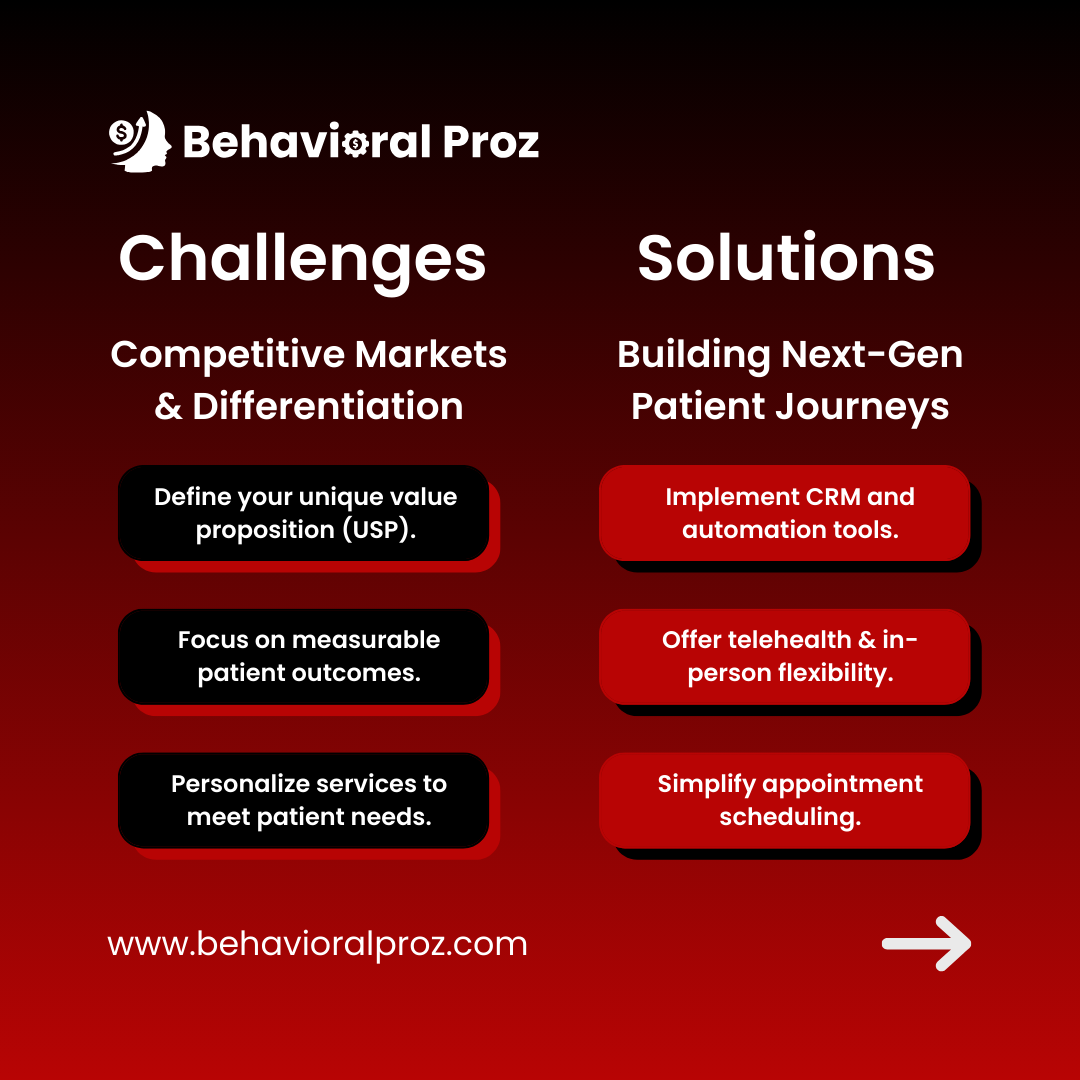
1. Competitive Markets and Differentiation
The behavioral health market has become more saturated than ever, with new providers entering the space regularly. To stand out, your behavioral health business must go beyond offering convenience and access. Patients now expect online options and easy scheduling as standard features. Instead, focus on defining your unique value proposition (USP), emphasizing measurable patient outcomes, and showcasing how your services align with individual patient needs.
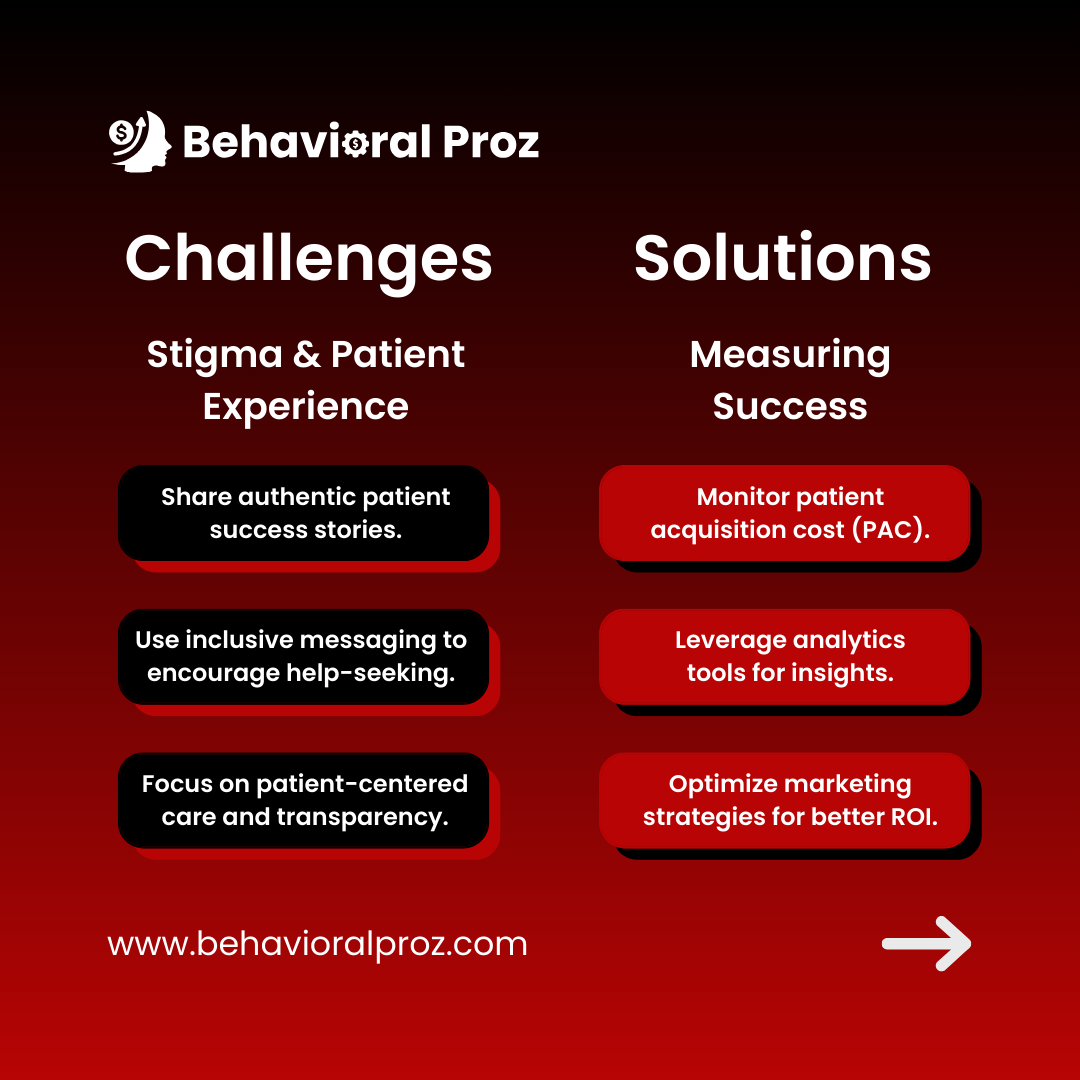
2. Overcoming the Stigma of Mental Health Care
Despite growing awareness, stigma around seeking behavioral health treatment still exists. Many potential patients hesitate to reach out due to fear of judgment or negative past experiences. Your behavioral health marketing strategy should focus on destigmatizing mental health by sharing authentic patient stories, using inclusive messaging, and offering educational content that normalizes seeking help.
3. Poor Patient Experiences with Providers
Negative experiences with behavioral health providers can discourage patients from seeking further care. Addressing this challenge requires a commitment to patient-centered care, transparent communication, and streamlined processes. Providing consistent follow-ups and listening to patient feedback can help rebuild trust and improve satisfaction.
4. Reaching the Right Audience
Behavioral health marketing involves targeting not just potential patients but also their support systems, such as family members and caregivers. Understanding the decision-making unit (DMU) and tailoring marketing messages to address their concerns is crucial. Leveraging data-driven targeting strategies and segmenting your audience based on demographics and behaviors can enhance your reach.
5. Behavioral Health Provider and Staffing Shortages
The demand for behavioral health services continues to outpace the availability of qualified providers. This challenge can be mitigated by optimizing your practice’s capacity through data analytics, offering telehealth options, and strategically allocating marketing resources to locations with the greatest availability.
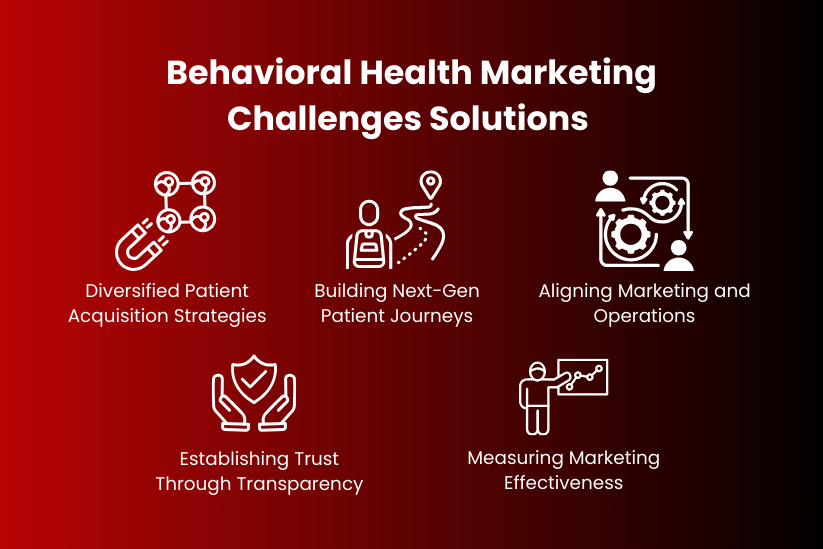
Solutions to Overcome Behavioral Health Marketing Challenges
1. Diversified Patient Acquisition Strategies
A diversified marketing approach ensures your behavioral health business reaches a broader audience across multiple touchpoints. Consider incorporating the following channels:
- Search Engine Marketing (SEM): Leverage Google Ads to capture high-intent patients.
- Social Media: Engage potential patients and their families through targeted campaigns on platforms like Facebook and Instagram.
- Content Marketing: Publish blogs, videos, and educational materials to establish your authority.
- Community Outreach: Partner with local organizations to build trust and awareness.
2. Building Next-Gen Patient Journeys
- Telehealth and In-Person Options: Give patients flexibility in their care.
- Personalized Communication: Utilize SMS, email, and chatbots based on patient preferences.
- Easy Appointment Scheduling: Ensure a frictionless booking experience.
3. Aligning Marketing and Operations
Effective behavioral health marketing requires close collaboration between marketing and operations teams. By aligning your media spend with capacity data, you can optimize appointment scheduling and reduce patient wait times. Regular communication between departments ensures that your marketing efforts reflect your facility’s operational reality.
4. Establishing Trust Through Transparency
Trust is the cornerstone of successful behavioral health marketing. Patients want to feel confident in their decision to seek care from your facility. To build trust:
- Showcase Success Stories: Highlight patient testimonials and positive outcomes.
- Be Authentic: Use original, human-centered content rather than generic messaging.
- Maintain Consistency: Ensure your brand message is consistent across all touchpoints.
5. Measuring Marketing Effectiveness
To stay ahead in 2026, your behavioral health business must adopt advanced measurement frameworks. Utilize tools such as Google Analytics, call tracking software, and patient surveys to gain insights into what works and what doesn’t. Key performance indicators (KPIs) to monitor include:
- Patient acquisition cost (PAC)
- Conversion rates
- Retention rates
- Engagement metrics across channels

Practice Growth Program for Behavioral Health
What You Get in a Practice Growth Program
- Market Analysis: Gain in-depth competitive insights to identify growth opportunities.
- Digital Marketing: Leverage the latest marketing strategies to attract new patients.
- Patient Retention Strategies: Improve patient engagement and loyalty.
- Staff Training: Equip your team with the necessary skills for operational excellence.
- Operational Improvements: Enhance efficiency and streamline workflows.
- New Services & Diversification: Expand your practice with new service offerings.
Why You Should Choose Us
We help your behavioral health practices to strengthen roots. From market analysis to operations, we support all angles of practice growth, creating opportunities for expansion and retaining patients by helping you engage with them for better patient care. Some of our notable practice growth strategies include:
- Practice Evaluation Strategies: Assess current operations and identify areas for improvement.
- Strategic Growth Planning: Develop customized strategies to achieve long-term growth goals.
- Service Development Strategies: Introduce new services to meet evolving patient needs.
- Performance Tracking Protocols: Monitor key performance metrics to ensure sustained success.
Conclusion
Behavioral health marketing in 2026 presents both challenges and opportunities. By embracing diversified strategies, optimizing patient journeys, aligning marketing with operations, and building trust, your behavioral health business can position itself for long-term success. As competition continues to grow, staying ahead of the curve with a proactive and patient-centered approach will set you apart in the evolving behavioral healthcare landscape.
Start implementing these strategies today to future-proof your behavioral health marketing efforts and continue making a meaningful impact in the lives of those seeking care.
If you’re looking for expert guidance in navigating the complexities of behavioral health marketing, our team is here to help. Contact us today to learn more about how we can support your growth goals.