

Managing claim denials in autism services, particularly in the behavioral health and Applied Behavior Analysis (ABA) sectors, is a pressing challenge. Complex reimbursement processes, payor variability, and inefficiencies in data tracking often lead to financial bottlenecks, hindering the delivery of quality care. This blog outlines effective Revenue Cycle Management (RCM) strategies to help healthcare providers with claim denial management, optimize workflows, and sustain long-term growth.
The Financial Impact of Claim Denials in Autism Services
Claim denials in autism services can significantly affect the financial health of ABA therapy services. Studies reveal that over 10% of healthcare claims are denied initially, leading to delays in reimbursement and increased administrative burdens. Nearly 15% of all claims submitted to private payers initially are denied, including many that were preapproved during the prior authorization process. (American Hospital Association) Overall, 15.7% of Medicare Advantage and 13.9% of commercial claims were initially denied. For providers in autism services, these challenges are compounded by the complexity of treatment plans, authorization requirements, and payor-specific policies.
Key contributing factors to claim denials in autism services include:
- Missing or incorrect patient information.
- Failure to meet payor-specific documentation standards.
- Lack of prior authorization or expired authorizations.
- Coding errors or incorrect modifiers.
Proactively addressing these issues can help ABA providers minimize revenue losses and focus more on patient care.
Strategies to Reduce Claim Denials
1. Strengthen Documentation and Coding Practices
Accurate documentation and coding are critical for claim approval. Providers should:
- Ensure detailed patient records that align with payor requirements.
- Train staff to use correct ICD-10 and CPT codes for autism therapy services.
- Double-check for modifiers specific to behavioral health interventions.
Pro Tip: Regular audits can identify and correct common errors before claims are submitted.
2. Enhance Authorization Management
Many denials stem from issues with authorizations. To avoid these pitfalls:
- Create a systematic process for tracking authorizations, including renewal deadlines.
- Communicate clearly with payors to understand specific authorization criteria.
- Use automated tools to send reminders for renewals and flag expiring authorizations.
Case in Point: Automating authorization processes can improve claim denial management, reducing denials by up to 35%, according to industry reports.
3. Invest in Data-Driven Insights
- Identify patterns in claim denials in autism services and address root cause.
- Monitor key performance indicators (KPIs) such as denial rates, days in accounts receivable (AR), and collection rates.
- Benchmark your organization’s performance against industry standards to identify areas for improvement.
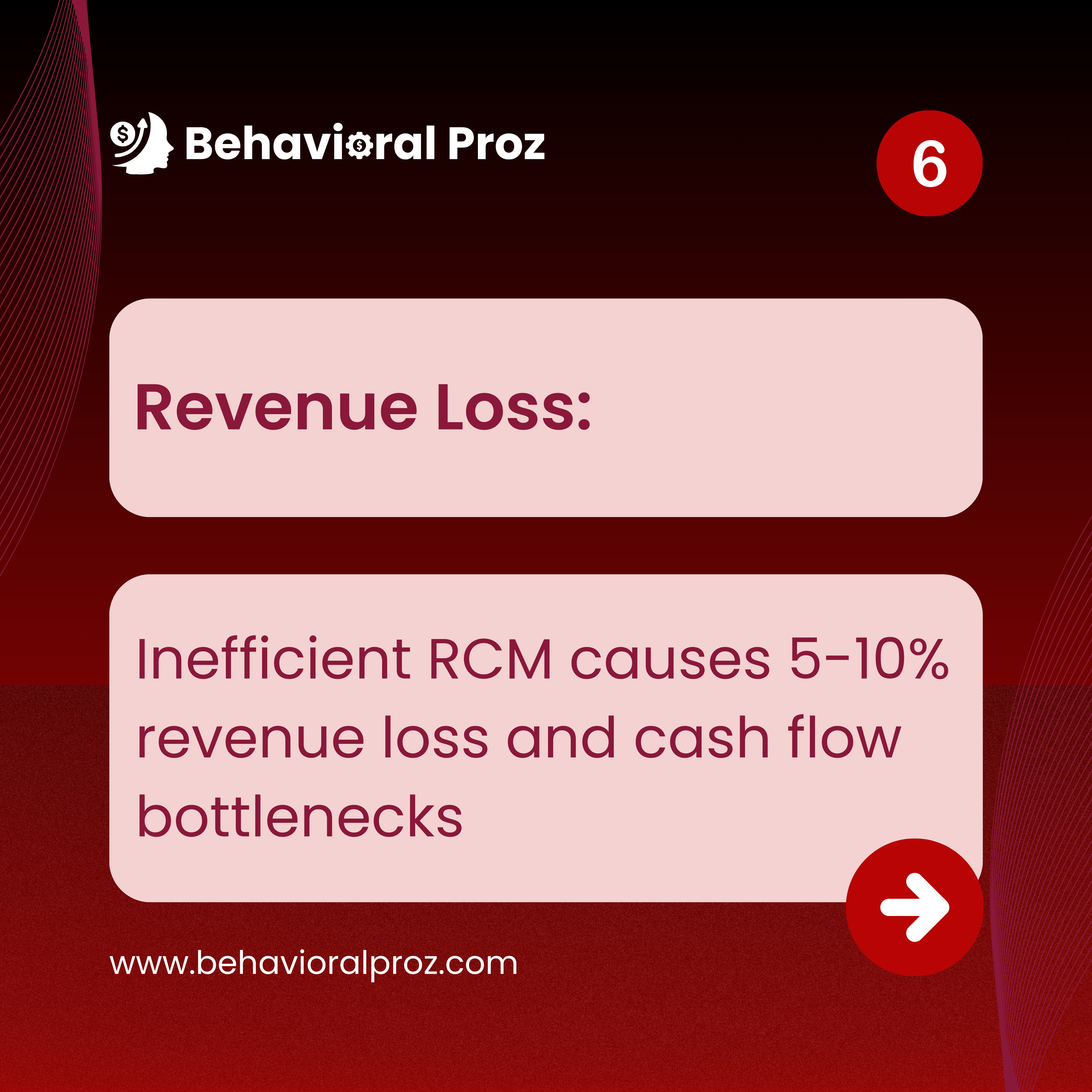
Inefficient RCM processes can lead to 5% to 10% revenue loss, but data analytics helps reduce claim denials in autism services and identify revenue leakage points.
For example, tracking denial reasons can help pinpoint recurring issues, enabling targeted interventions.
4. Leverage Technology for RCM Optimization
Modern RCM tools can streamline workflows and reduce manual errors. Technology can:
- Automate claims submissions and track their status in real-time.
- Integrate billing systems with electronic health records (EHRs) for seamless data exchange.
- Use predictive analytics to flag potential issues before submission.
5. Provide Ongoing Staff Training
Well-trained staff are your first line of defense against claim denials in autism services
Regular training should focus on:
- Understanding payor-specific requirements.
- Keeping up with changes in coding and billing regulations.
- Efficiently using RCM tools and software.
Conducting quarterly workshops or inviting industry experts can keep your team updated and motivated.
6. Foster Collaboration with Payors
Building strong relationships with payors can smooth the reimbursement process. Steps to achieve this include:
- Scheduling periodic meetings with payor representatives to clarify policies.
- Establishing clear communication channels for dispute resolution.
- Negotiating favorable terms, such as quicker turnaround times for approvals.
Tip: Maintaining a payor matrix with detailed contract terms and contact information can save valuable time.




Benefits of Effective Revenue Cycle Management
Adopting these strategies offers numerous benefits, including:
- Improved Cash Flow: Faster reimbursement cycles and fewer denials ensure steady revenue streams.
- Operational Efficiency: Automated processes free up staff to focus on patient care rather than administrative tasks.
- Enhanced Patient Satisfaction: Streamlined billing reduces financial stress for families, allowing them to concentrate on their child’s progress.
How Revenue Cycle Management Consultants Can Help
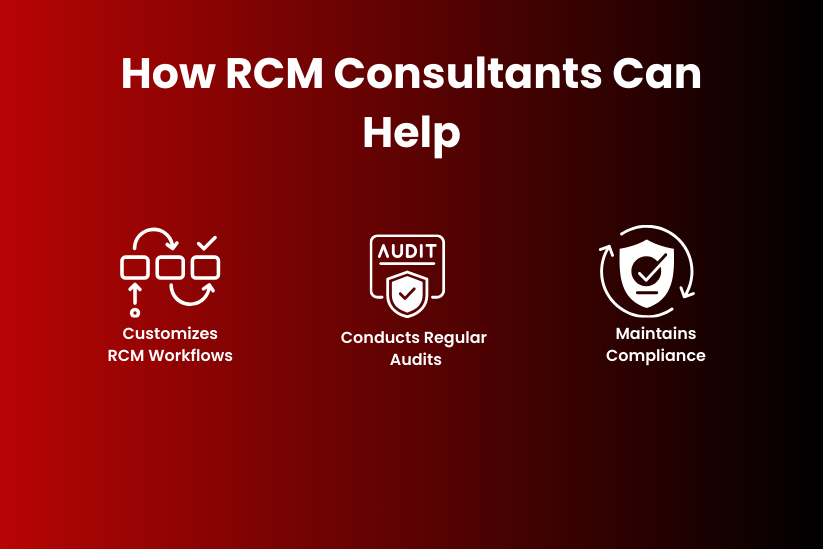
- Conduct a comprehensive assessment of current RCM workflows.
- Implement tailored solutions to address specific pain points, such as high denial rates or inefficient billing systems.
- Stay compliant with industry regulations and benchmarks.
By working with seasoned consultants, healthcare providers can improve their claim denial management processes, optimize revenue cycles, and allocate more resources to delivering quality care for children with autism.
Podcast
Conclusion
Effective RCM is the cornerstone of financial health in autism services. By focusing on accurate documentation, leveraging technology, and fostering collaboration with payors, providers can minimize claim denials in autism services and improve operational efficiency. For organizations seeking expert support, BehavioralProz RCM consultants offer proven solutions tailored to the unique challenges of the behavioral health sector. With their help, ABA therapy services can ensure long-term financial sustainability and deliver exceptional care to those who need it most.