

Key Insights from Experts in adopting Behavioral health best practices
Mental health care continues to evolve as a critical component of overall health and well-being. Experts advocating for better awareness, early intervention, and comprehensive strategies to address its many facets to adopt Behavioral health best practices. From recognizing early signs of mental illness to tackling systemic challenges, here’s an expanded look at the key insights shaping the future of mental health care and the ways to adopt Mental health professional guidance
1. Recognizing Early Warning Signs
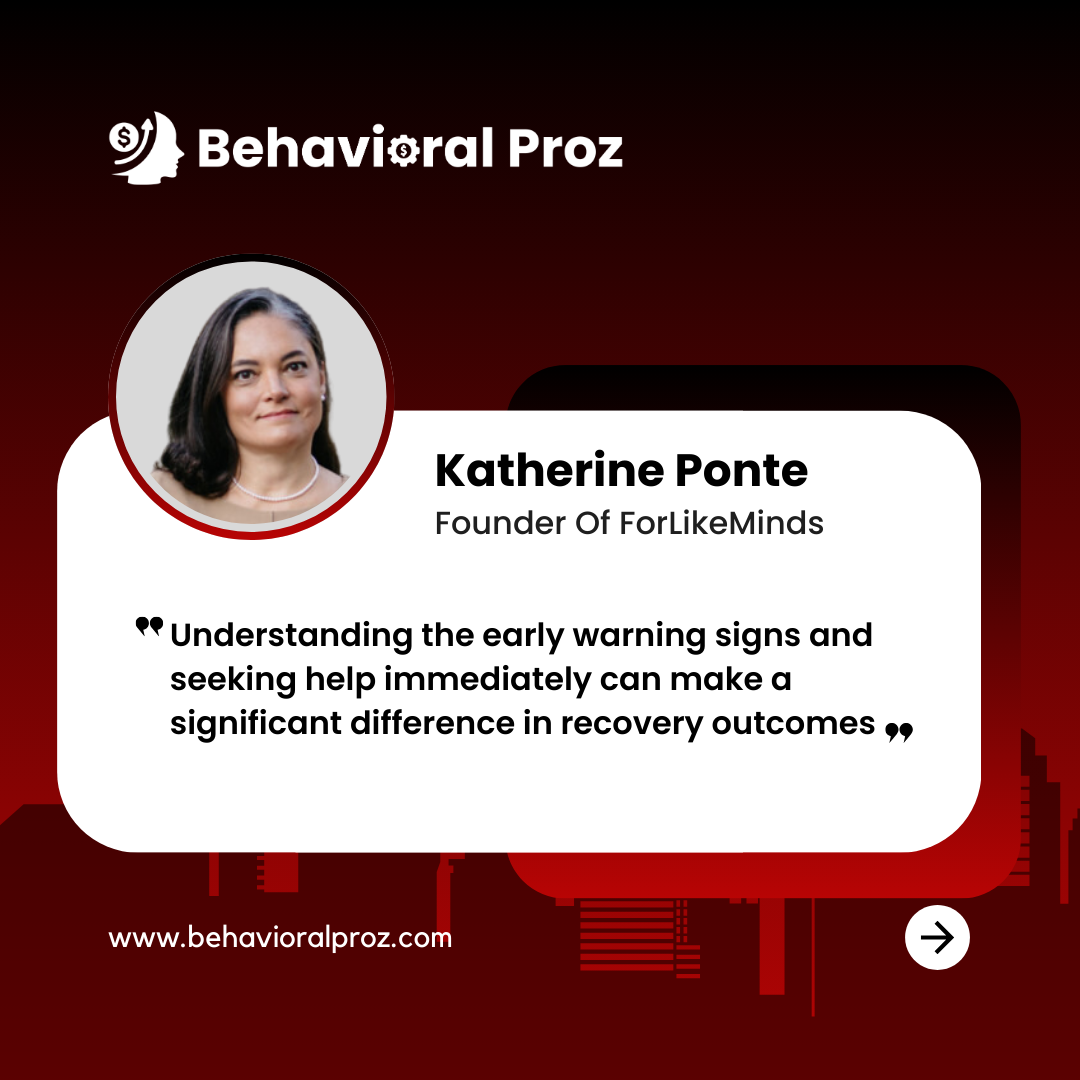
Early recognition of mental health issues is a cornerstone of effective intervention. Katherine Ponte, founder of ForLikeMinds and a passionate mental health advocate, emphasizes the importance of understanding and addressing early warning signs of mental illness as the Behavioral health best practices. She outlines several steps individuals can take to safeguard their mental health:
- Assess Your Baseline: Understanding your normal mental state, including fluctuations in mood, behavior, and energy levels, can help identify when something is amiss.
- Recognize Symptoms: Pay attention to changes in sleep patterns, appetite, thought processes, and emotional stability. These often serve as early indicators of mental health challenges.
- Seek Professional Help: Establishing a proactive plan to address mental health concerns is critical. Whether through therapy, counseling, or support groups, professional help can make a difference.
- Adopt Coping Strategies: Techniques like mindfulness, exercise, and journaling can support mental health management and recovery.

“Understanding the early warning signs and seeking help immediately can make a significant difference in recovery outcomes,” Ponte emphasizes. Early intervention not only improves individual recovery prospects but also reduces the broader societal impact of untreated mental health conditions.
2. Recognizing Early Warning Signs
Recognizing the early signs of mental illness is essential for timely intervention. Katherine Ponte, founder of ForLikeMinds adds. She emphasizes the importance of understanding when something feels “off.” She shares:
- Assess Your Baseline: Pay attention to your normal mental state to recognize when changes occur.
- Identify Symptoms: Changes in mood, behavior, sleep, or thought patterns may signal a deeper issue.
- Seek Support Early: Proactive care can significantly improve outcomes.
Ponte underscores, “Early intervention, especially when you recognize warning signs, can change the trajectory of a person’s recovery journey. The sooner help is sought, the better the outcomes.”
Ponte’s own experiences with anxiety, depression, and postpartum struggles illustrate how years of silent suffering can be transformed through proper support and care.

3. Addressing ADHD in Addiction Recovery
- Misdiagnosed for eight years, Pennelle was told her issues stemmed from anxiety, depression, or “not working hard enough on recovery.”
- A turning point came when she took control of her recovery and sought a proper diagnosis from a psychiatrist and she considers it as the Behavioral health best practices Medication and tailored support drastically improved her quality of life.

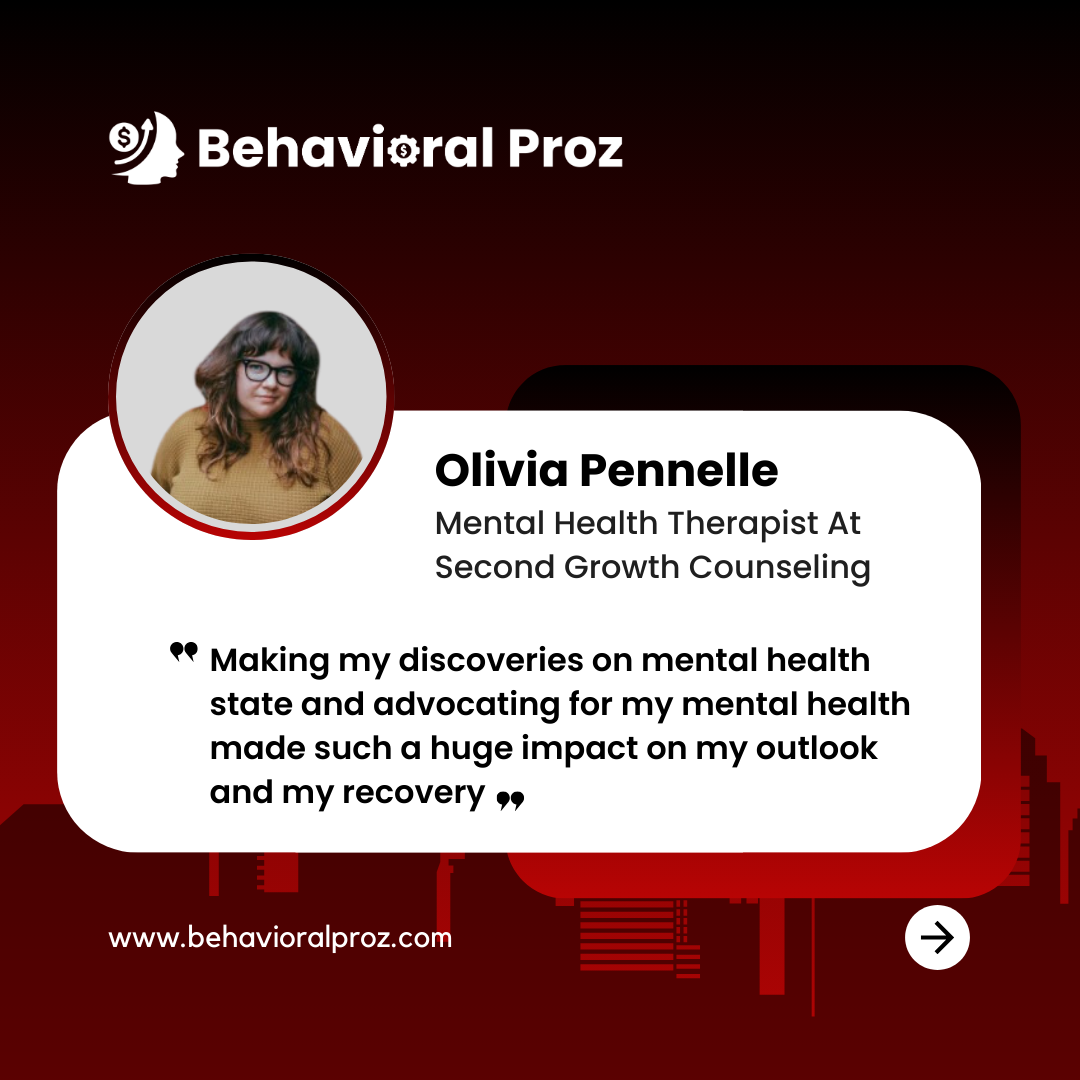
“Making my discoveries on mental health state and advocating for my mental health made such a huge impact on my outlook — and my recovery,” she writes. ADHD treatment helped her understand why she felt exhausted and unfulfilled for so long, empowering her to thrive in recovery. Pennelle’s story underscores the importance of advocating for accurate diagnoses and tailored treatments.
4. Understanding the Cost Barrier to Mental Health Treatment
Financial constraints remain one of the most significant barriers to mental health care and hinders pateints from adopting Behavioral health best practices. A recent survey by Verywell Mind revealed:
- Nearly half of respondents (49%) worried about the long-term cost of treatment.
- About 48% would stop attending therapy if out-of-pocket costs increased.
- One-third of individuals who left therapy never returned.

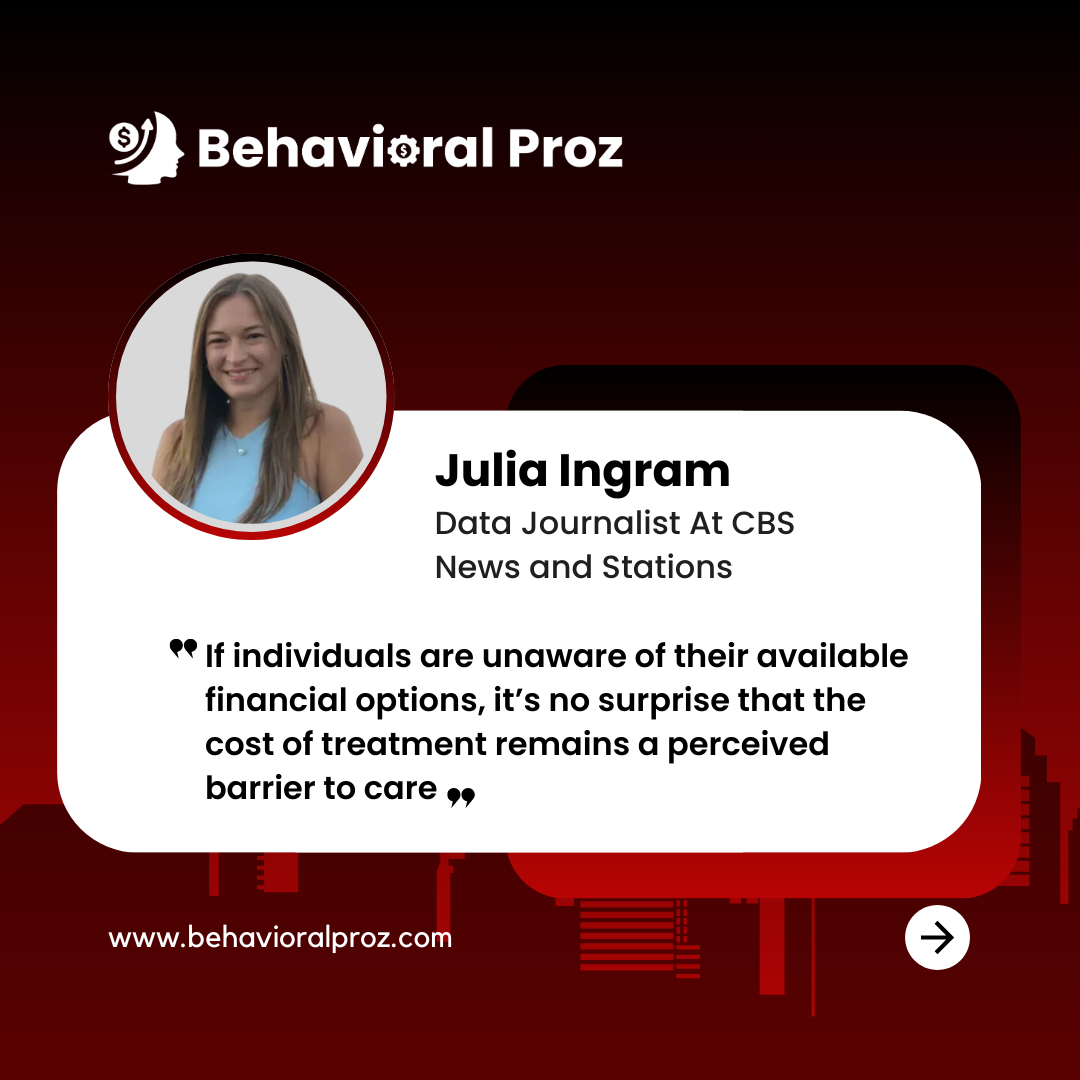
“If individuals are unaware of their available financial options, it’s no surprise that the cost of treatment remains a perceived barrier to care,” she writes. Increasing awareness about financial assistance programs, insurance coverage, and sliding scale rates is critical to expanding access to mental health services.
5. Avoiding Burnout in Gig Work
The gig economy offers flexibility but comes with unique stressors & it is not considered as the Behavioral health best practice. Sarah Sheppard, a writer and mental health advocate, explores the link between gig work and burnout. She shares:
- Gig workers often face challenges like no benefits, irregular income, tracking payments, and unpredictable schedules.
- A study found 45% of gig workers had high Economic Anxiety Index scores, compared to 24% for traditional employees.- Sarah Sheppard cites

Every time I turn down an assignment, I think, ‘I could do it, I could make it work.’ That default mindset is ‘I need to get paid.’ But at what cost?”, writes a gig earner
To combat burnout, Sheppard recommends:
- Taking personal days to recharge.
- Joining online communities of gig workers for support.
- Avoiding the “hustle” mentality and setting boundaries around work commitments.
- Reach out to Mental health professional guidance if you can’t resolve things yourselves
6.Books can be lifeline
Books can provide solace, understanding, and validation and is considered one of the Behavioral health best practices . In honor of Mental Health Awareness Month, writer Kendra Winchester curated a list of 10 books that explore the diverse experiences of mental illness. This list, composed of both fiction and non-fiction, offers a wide range of perspectives, addressing topics such as trauma, psychiatric hospitalization, sexual assault, immigration struggles, and the complexities of family dynamics.
Highlighted books include:
- Know My Name by Chanel Miller: A powerful memoir chronicling Miller’s journey through trauma and healing after surviving sexual assault.
- Everything Here Is Beautiful by Mira T. Lee: A fictional exploration of how mental illness impacts family relationships, told through the lens of two sisters navigating love, duty, and personal identity.
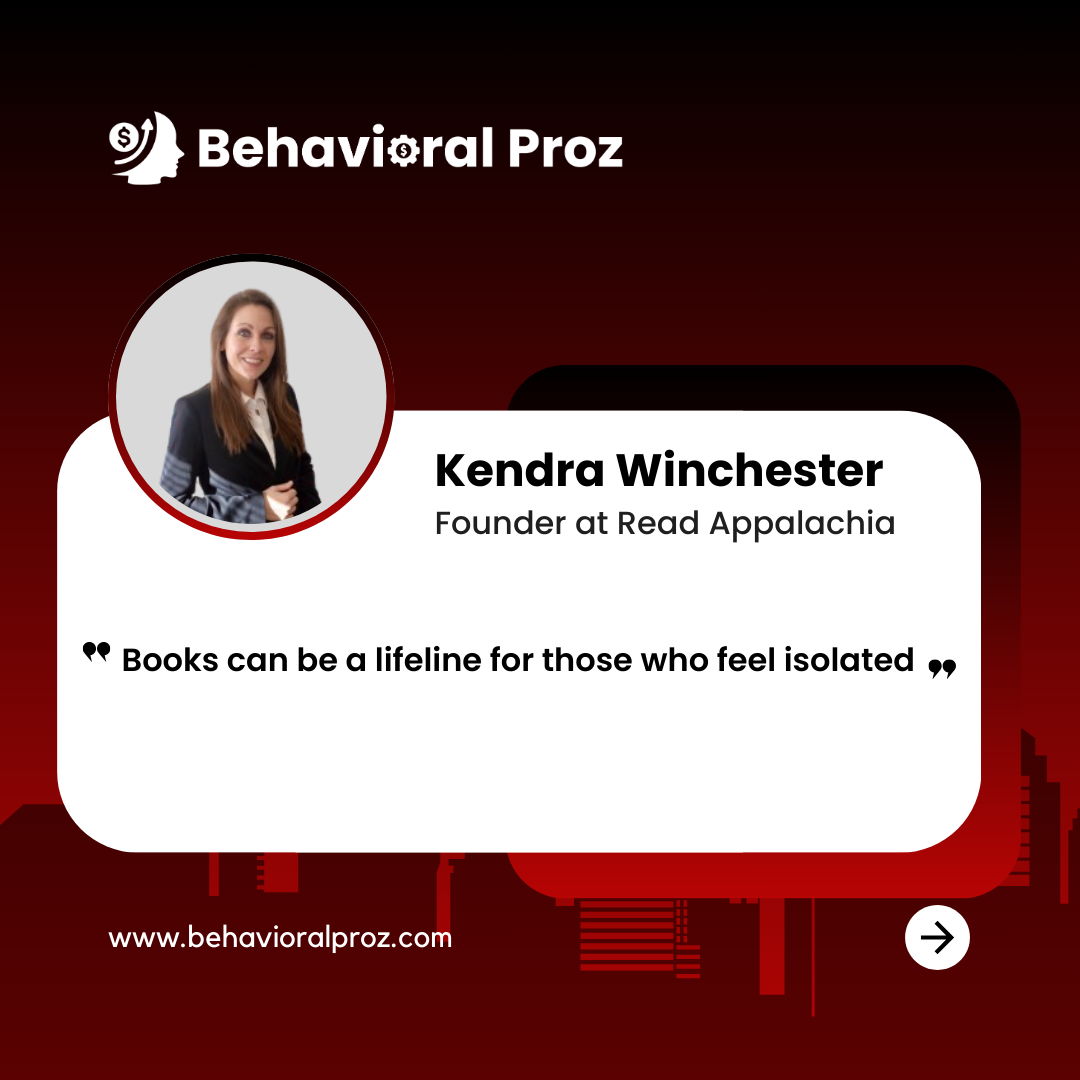
Winchester, a contributing editor for Book Riot and founder of Read Appalachia, emphasizes the importance of representation in literature. These stories provide hope and understanding for readers, offering a reminder that they are not alone in their struggles.

“Books can be a lifeline for those who feel isolated,” Winchester notes.By sharing these narratives, Mental Health Awareness Month amplifies the voices of those who have lived with mental illness, breaking down stigma and fostering empathy.
Incorporating literature into mental health awareness efforts underscores the power of storytelling to connect, heal, and inspire. For anyone seeking solace or insight, Winchester’s curated list offers a meaningful starting point.
The Role of Revenue Cycle Management (RCM) Consultants in Mental Health Care
Financial and operational challenges often hinder from receiving Mental health professional guidance patients need. Revenue Cycle Management (RCM) consultants are instrumental in addressing these barriers, enabling providers to focus on patient care and help them adopt Behavioral health best practices
Why RCM Is Crucial for Mental Health Services
- Streamlining Billing Processes:
Accurate and efficient billing prevents errors that delay reimbursements or lead to claim denials. This financial stability allows organizations to expand their services and reach. - Enhancing Patient Access:
Simplified billing processes reduce financial stress for patients, encouraging them to seek care without hesitation. - Optimizing Revenue Streams:
By minimizing claim denials and maximizing reimbursements, RCM consultants free up resources for additional staff, facilities, and mental health programs. - Ensuring Compliance:
Navigating the complex regulatory landscape of mental health billing codes and insurance requirements is challenging. RCM consultants help organizations remain compliant, avoiding costly penalties.


BehavioralProz: Driving Excellence in RCM for Mental Health Services
Behavioral Proz is a leader in RCM solutions tailored specifically for mental health care providers. Their expertise addresses the unique challenges of mental health billing, including:
- Tailored Billing Solutions: Behavioral Proz ensures accurate claims submissions, helping providers maintain financial stability and focus on patient care.
- Training and Support: They empower staff with the knowledge and tools needed to handle operational challenges efficiently.
- Patient-Centered Billing: Transparent billing processes foster trust and engagement, encouraging patients to prioritize their mental well-being
By streamlining financial and administrative operations, Behavioral Proz enables mental health organizations to expand access and deliver impactful care, by enabling easy access to Mental health professional guidance
Conclusion
Mental Health Awareness Month serves as a powerful reminder of the importance of addressing mental health challenges and reducing the stigma surrounding mental illness. The insights shared by experts ranging from early intervention to the role of gratitude and the interplay between domestic violence, addiction, and mental health underscore the need for comprehensive, proactive strategies and help patients adopt Behavioral health best practices