

For healthcare leaders in the behavioral health specialty, staying informed about policy updates is crucial for maintaining compliance, ensuring reimbursement, and continuing to provide high-quality care. 2026 brings several significant changes to behavioral health policy that will impact treatment for substance use disorders, mental health conditions, and digital mental health devices.
Explore the 10 key updates to behavioral health policy you need to know, how these changes will affect your practice, and how you can prepare to stay ahead of the curve. Additionally, we will discuss how utilizing advanced healthcare solutions can help your practice adapt to these policies, ensuring proper reimbursement and compliance.
1. The Innovation in Behavioral Health Model: A New Era of Integrated Care
In 2026, the Centers for Medicare & Medicaid Services (CMS) will implement the Innovation in Behavioral Health model, designed to bridge the gap between behavioral and physical health. Four states will participate in this pilot program, offering an opportunity to integrate treatment for substance use disorders and mental health conditions into broader healthcare management strategies.
How to Prepare:
If your practice is in one of the participating states, it’s crucial to align your services with the new integrated care protocols. This model will push for more collaboration between behavioral health and primary care providers, so start building partnerships with physical health facilities in your region to ensure smooth patient transitions and continuity of care. Tools that integrate both behavioral and physical health data can help support seamless care coordination.
2. New Policy for Safety Planning and Follow-Up After Mental Health Crises
CMS will introduce behavioral health policy changes aimed at improving patient safety after they are discharged from emergency departments following a mental health crisis. Specifically, CMS will introduce separate billing codes for safety planning intervention and a new monthly billing code for follow-up contact with discharged patients.
How to Prepare:
Your practice must implement structured safety planning and follow-up procedures. Staff should be trained to use the new billing codes effectively. Be sure your billing system is updated to accommodate these changes and to document safety plans accurately.
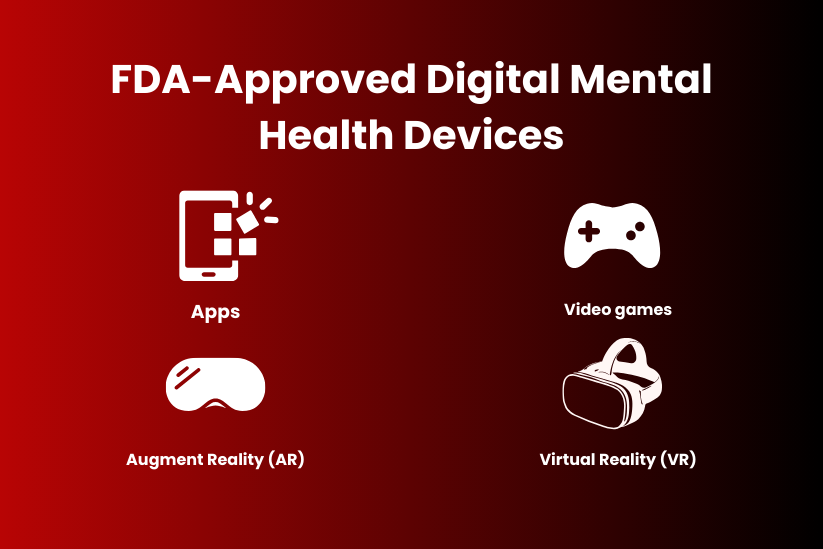
3. FDA-Approved Digital Mental Health Devices Now Eligible for Medicare Reimbursement
Starting in 2026, FDA-approved digital mental health devices used as part of a behavioral health treatment plan will be eligible for Medicare reimbursement. This includes wearable devices, smartphone apps, and other digital interventions that are integrated into your practice’s care plans.
How to Prepare:
Begin evaluating which digital mental health devices align with your care protocols. Devices that support patients in managing mental health conditions like anxiety, depression, and substance use disorders are ideal for this integration. Ensure that your clinical staff is trained to incorporate these devices into patient treatment plans, and verify reimbursement eligibility through Medicare.
Integrating digital tools into your practice can enhance care delivery and open up new reimbursement opportunities, especially with the right solutions in place to track patient data effectively.
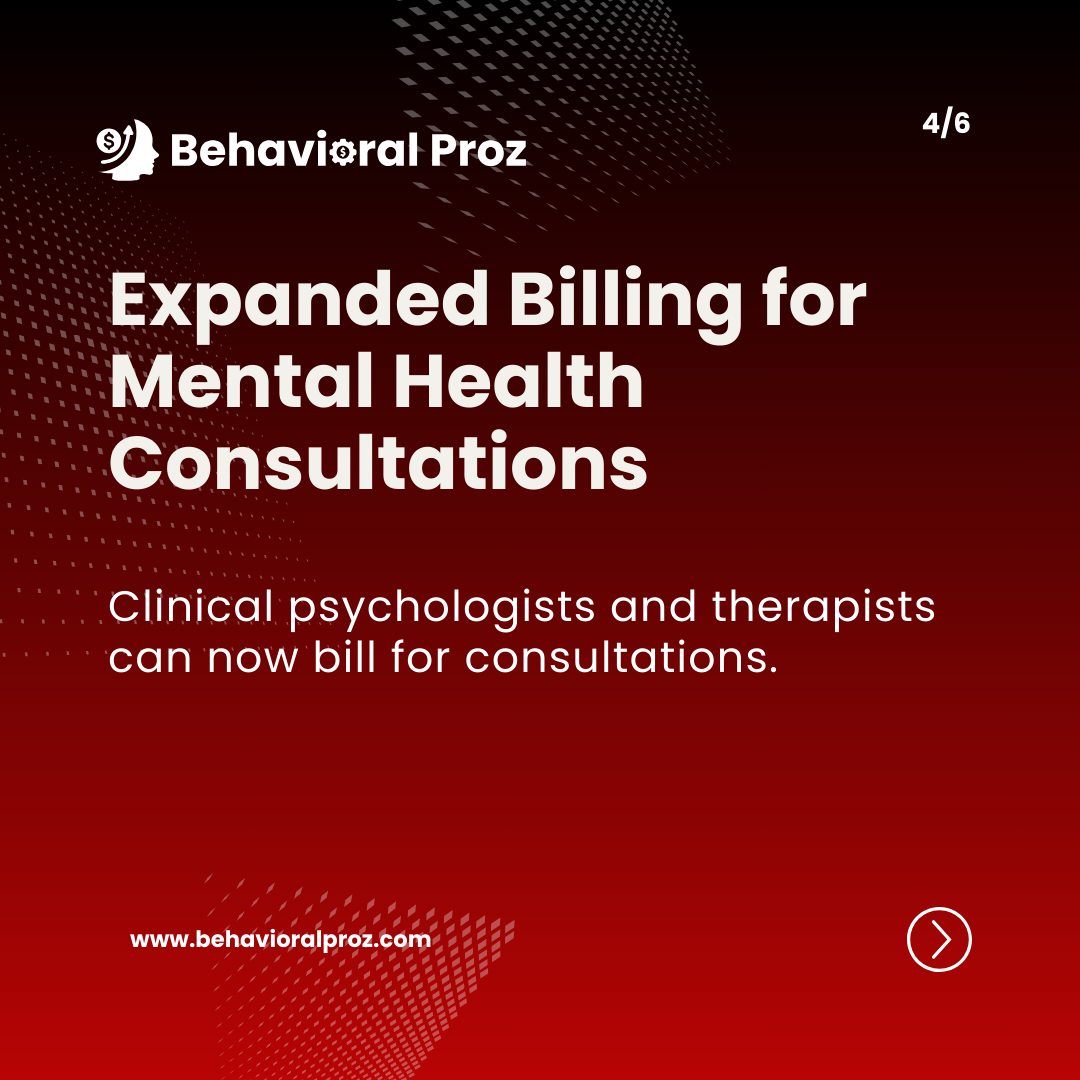
4. Expanded Billing for Mental Health Diagnoses
Under the new behavioral health policy, providers who are limited to diagnosing and treating mental illness—such as clinical psychologists, social workers, and marriage and family therapists—will be able to bill for interprofessional consultations.
How to Prepare:
If you are a clinician in this category, ensure that your team is aware of this new billing opportunity. Update your billing practices to include consultations with other healthcare providers that may be necessary as part of a holistic treatment plan for your patients.
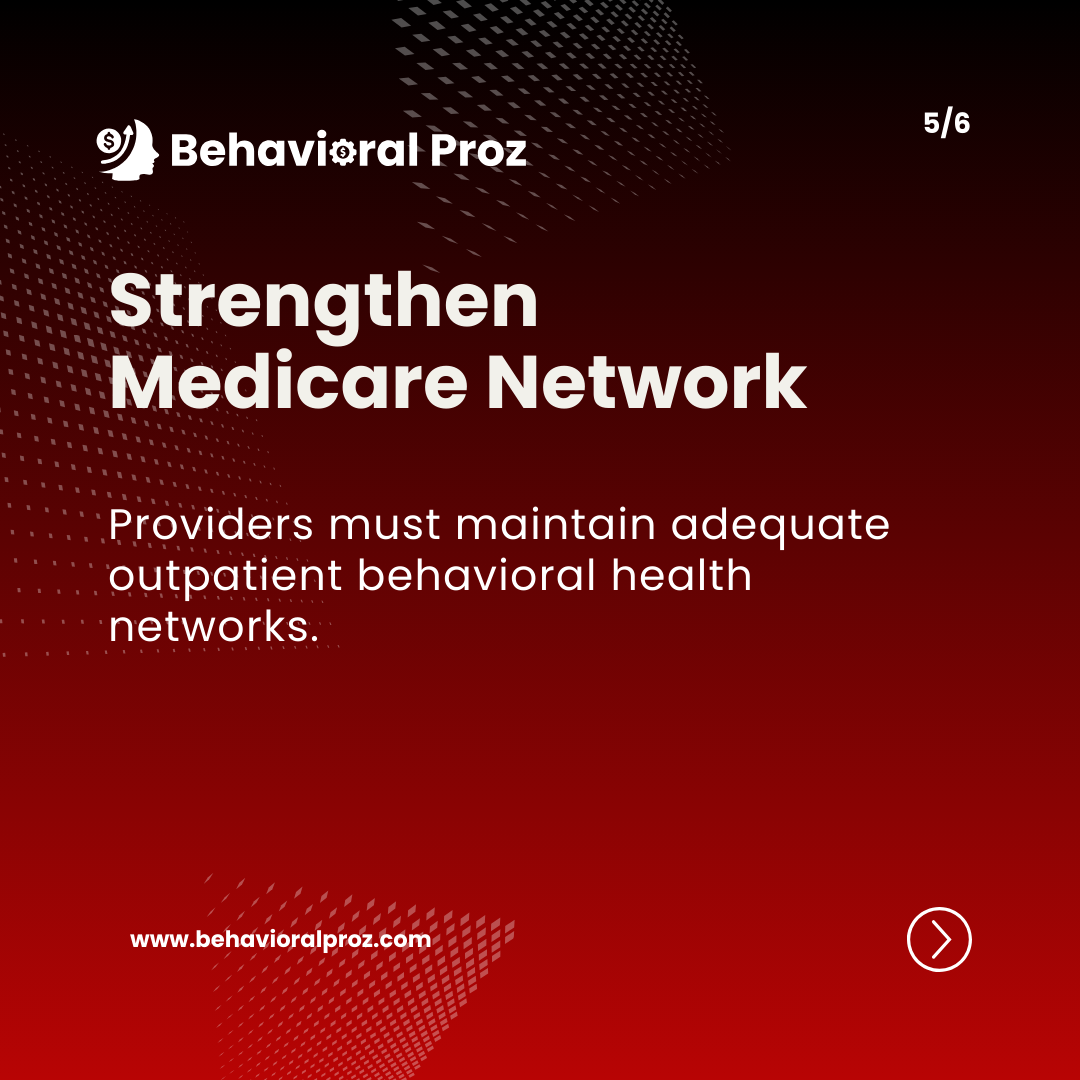
5. Medicare Advantage Network Requirements
New regulations will require Medicare Advantage plans to maintain adequate networks of outpatient behavioral health providers. This is a critical step in expanding access to care and ensuring patients receive timely treatment for mental health conditions.
How to Prepare:
Review the Medicare Advantage plans that your practice participates in and ensure that you meet their network adequacy standards. Engage with these plans to clarify reimbursement rates and network participation requirements.
Having access to behavioral health policy tracking tools can help you monitor and stay compliant with any network requirements that apply to your practice.
6. Increased Inpatient Payment Rates for Behavioral Health Facilities
CMS will increase inpatient payment rates for behavioral health facilities by 2.8% in 2026. This increase comes alongside a reduction in outlier payments, which will lead to an overall decrease of 0.3% in aggregate payments.
How to Prepare:
While the 2.8% increase is a positive change, the reduction in outlier payments means that facilities need to focus on optimizing their billing processes to ensure they receive appropriate compensation for more complex cases.
RCM Data analytics and billing management solutions can help you identify high-cost cases and improve overall reimbursement by optimizing your billing practices.


7. Reporting Requirements for Emergency Department Visits
In 2026, CMS will require facilities to report 30-day all-cause emergency department visits for patients discharged. This measure is aimed at improving the quality of care for patients with behavioral health conditions and reducing avoidable readmissions.
How to Prepare:
Establish processes to track and report these emergency department visits in compliance with CMS guidelines. Work with your clinical staff to improve discharge planning and post-discharge follow-up to reduce readmission rates.
Using automated tools can streamline reporting processes and help ensure that you are fully compliant with CMS reporting requirements.
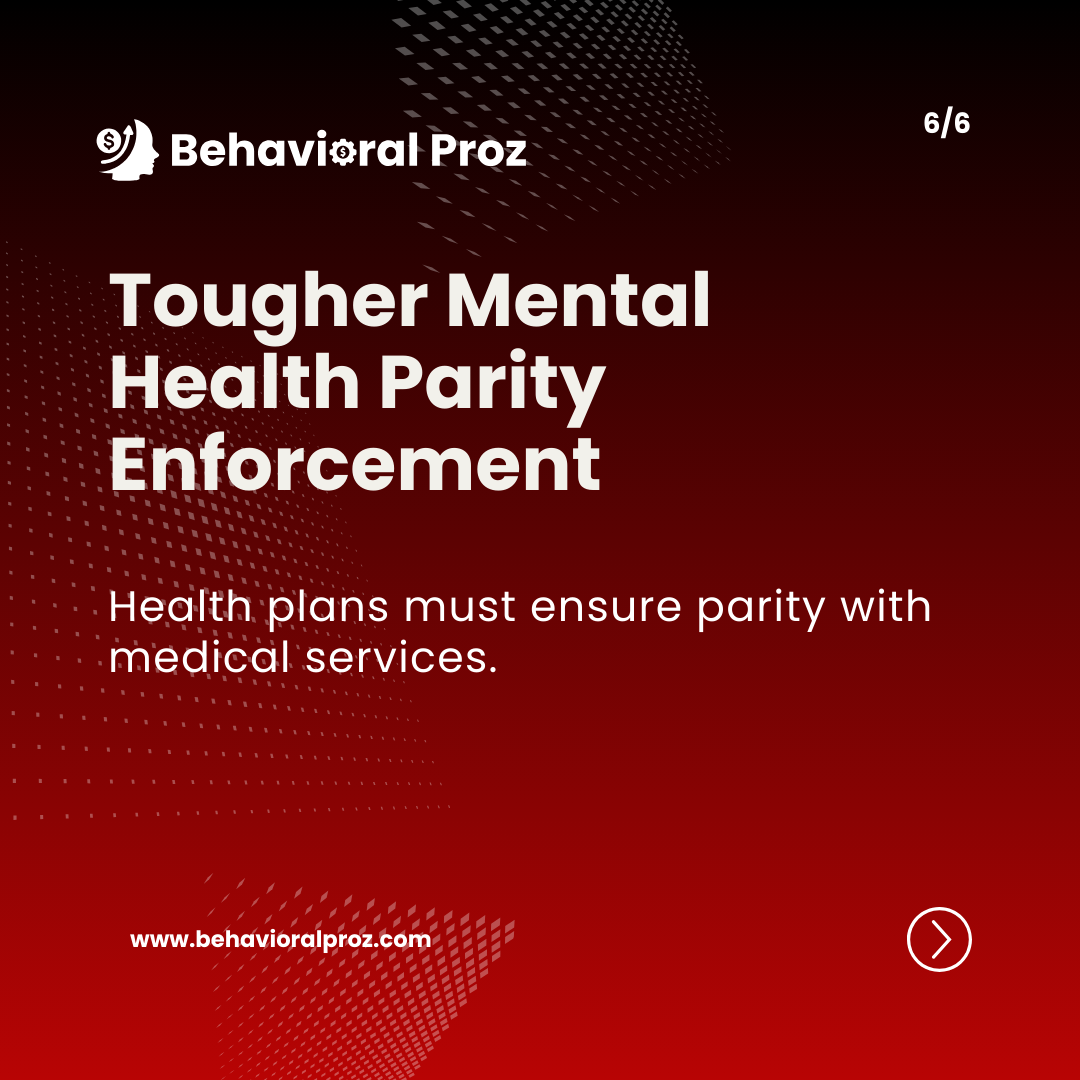
8. Stronger Enforcement of Mental Health Parity Standards
New regulations will strengthen the enforcement of mental health parity standards, ensuring that health plans cannot impose stricter prior authorization requirements for mental health services than for medical or surgical benefits.
How to Prepare:
Review your payer contracts to ensure that your reimbursement rates and authorization processes align with these new parity standards. Be prepared to advocate for your patients if you encounter unfair practices from payers.
Comprehensive behavioral health policy management tools can help you track and analyze payer contracts, ensuring that your practice remains compliant with mental health parity regulations.
9. Telehealth Flexibility Extension for Behavioral Health Providers
In a recent stopgap spending bill, Congress extended some telehealth flexibilities until March 2026. This includes the waiver of the requirement for behavioral health providers to see patients in person once every six months to receive Medicare payments.
How to Prepare:
If you are offering telehealth services, ensure that your telehealth platform is equipped to meet CMS’s requirements for reimbursement. Keep an eye on any future extensions or modifications to these policies, as they may change after March 2026.
Telehealth solutions integrated with your practice’s existing systems can help you meet the necessary standards for reimbursement while keeping your patients connected to care.
10. Updated Mental Health Parity Compliance Rules
The updated regulations will require health plans to study their mental health networks, payment rates, and prior authorization policies to ensure they are not more restrictive than for medical care.
How to Prepare:
As a healthcare leader, you must work closely with insurers to ensure that your practice is not subject to more stringent policies than those applied to physical health care. Conduct a comprehensive review of your mental health services’ reimbursement policies to ensure fairness.
As a healthcare leader, you must work closely with insurers to ensure that your practice is not subject to more stringent policies than those applied to physical health care. Conduct a comprehensive review of your mental health services’ reimbursement policies to ensure fairness.
Monitoring insurance policies and ensuring that they align with parity standards is essential for compliance. This is where technology solutions can help you stay ahead.
How BehavioralProz Can Help Your Practice Stay Ahead
Navigating the ever-evolving landscape of behavioral health policy can be challenging, but with the right tools and resources, your practice can stay compliant and prepared for 2026 and beyond. Healthcare solutions that focus on automating billing, managing patient data, verifying patient eligibility, and ensuring policy compliance are crucial in maintaining financial stability and improving patient care.
By leveraging advanced analytics, billing automation, and policy tracking features, your practice can adapt to these changes quickly and efficiently, allowing you to focus on delivering the best care possible.
Conclusion
As 2026 approaches, behavioral health policy updates will shape the future of mental health and substance use disorder care. By staying informed and adapting your practice to these updates, you will not only ensure compliance but also enhance patient outcomes and improve your financial sustainability.
Be proactive, embrace new opportunities, and ensure your practice is ready to meet the challenges and opportunities presented by these policy changes.