

More than 150 organizations have come together, urging the Trump administration to ensure the continuation of telehealth prescribing flexibilities. As healthcare leaders, you understand the significance of maintaining seamless access to essential medications, particularly controlled substances, through telehealth. The current telehealth prescription policy is at risk, and without permanent legislative support, patient care could face unnecessary disruptions.
The Impact of Proposed Changes to Telehealth Prescribing
The Three-Tiered System and Its Challenges
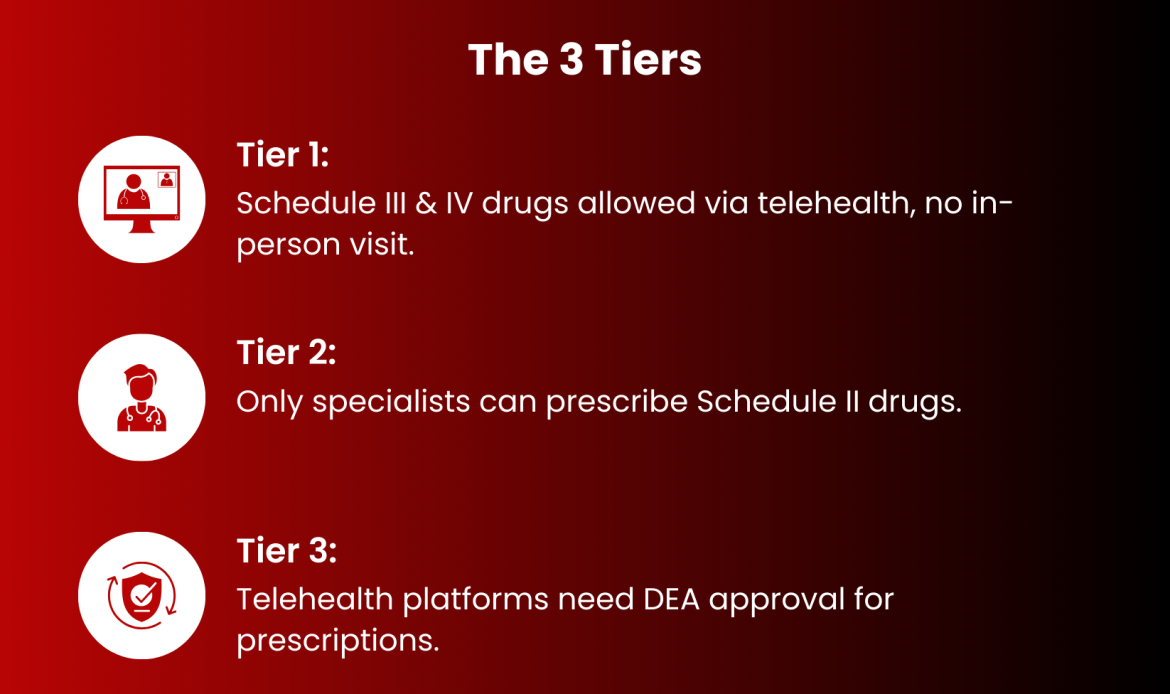
In the final days of the Biden administration, the Drug Enforcement Administration (DEA) and the Department of Health and Human Services (HHS) proposed a three-tiered system for telehealth prescribing. The proposed structure includes:
- Tier 1: Allows physicians and other qualified clinicians to prescribe Schedule III and IV drugs via telehealth without requiring an in-person visit.
- Tier 2: Restricts the prescribing of Schedule II drugs through telehealth to specialized providers, such as psychiatrists.
- Tier 3: Requires telehealth platforms to seek DEA approval to prescribe controlled substances.
These regulations threaten to complicate the telehealth prescribing process, adding bureaucratic hurdles that may reduce patient access to necessary treatments. As a healthcare leader, you must prepare for the potential implications of these policy shifts on your organization’s operations and patient care.
Telehealth Prescribing: A Lifeline for Behavioral Health Patients
The Risks of Restricting Telehealth Prescribing
The Alliance for Connected Care, a trade association advocating for telehealth access, spearheaded a letter urging Attorney General Pam Bondi to support continued telehealth prescribing. Healthcare organizations, including Ascension, Amwell, and Talkiatry, signed the letter, emphasizing the importance of preserving telehealth prescription policies.
Current flexibilities in telehealth prescribing are set to expire at the end of 2025, potentially impacting millions of patients who rely on virtual care for behavioral health treatment. Limiting access to controlled substances through telehealth prescribing across state lines could lead to:
- Increased patient no-shows and care gaps due to in-person visit requirements.
- Delayed treatment for individuals with conditions such as anxiety, depression, and ADHD.
- Higher administrative burdens on providers navigating evolving telehealth reimbursement policies.
The Financial and Operational Implications for Healthcare Organizations
The Role of Telehealth Reimbursement Policy in Your Bottom Line
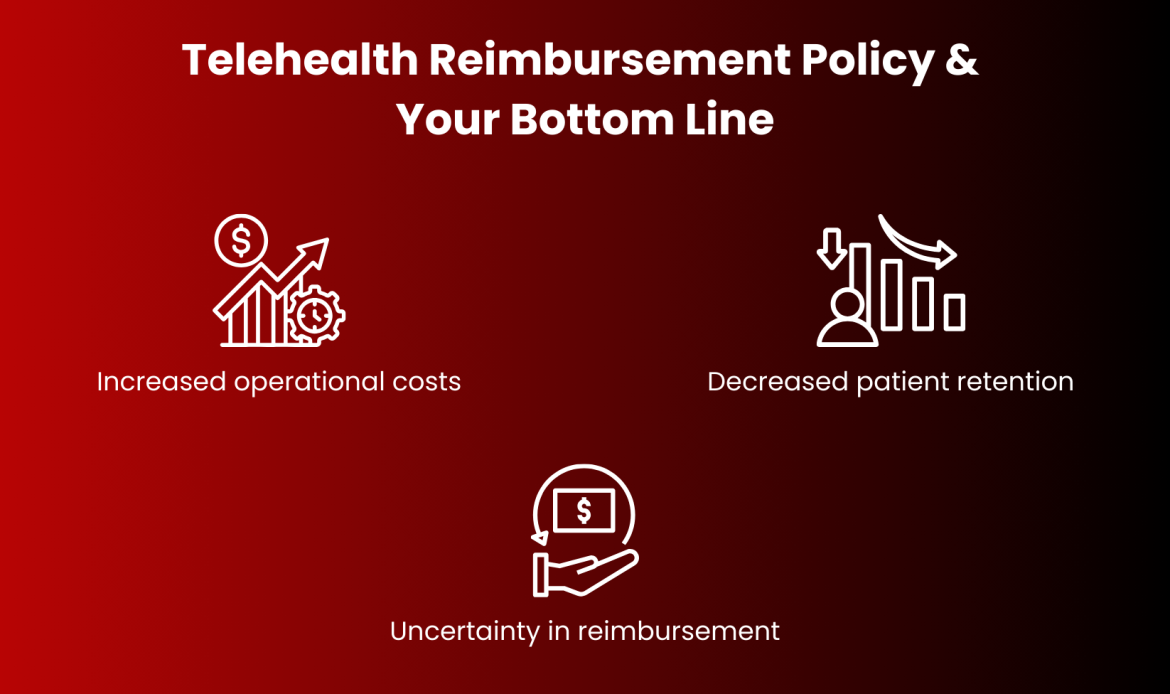
Restrictive telehealth prescription policies could also influence your organization’s financial health. As healthcare leaders, you know that inefficient processes result in:
- Increased operational costs: Adapting to changing regulations may require additional staffing and administrative resources.
- Decreased patient retention: Patients may seek alternative providers if your facility cannot offer streamlined telehealth prescribing services.
- Uncertainty in reimbursement: Telehealth reimbursement policies remain inconsistent across payers, creating financial unpredictability.
A more flexible telehealth prescribing framework will ensure smoother workflows, sustainable revenue streams, and improved patient outcomes.
How BehavioralProz Can Support Your Telehealth Strategy
At BehavioralProz, we understand the complexities surrounding telehealth prescribing and telehealth reimbursement policy. Our tailored solutions help healthcare organizations:
- Navigate evolving telehealth prescription policies to maintain compliance.
- Optimize workflows for telehealth prescribing across state lines.
- Enhance revenue cycle management strategies to secure reimbursement for telehealth services.
By leveraging our expertise, your organization can confidently adapt to regulatory changes while prioritizing patient access and financial stability.
The Road Ahead: Advocacy for Permanent Telehealth Prescribing
Next Steps for Healthcare Leaders
With the end of 2025 approaching, now is the time to advocate for a more permanent telehealth prescription policy. As a healthcare executive, you can:
- Engage with policymakers: Collaborate with industry organizations pushing for telehealth prescribing rights.
- Educate your teams: Ensure your providers and administrative staff understand the potential policy changes.
- Invest in compliance solutions: Partner with experts like BehavioralProz to stay ahead of regulatory shifts.
The push for telehealth prescribing flexibility is not just about policy; it’s about ensuring uninterrupted, high-quality care for your patients. By staying informed and proactive, you can help shape the future of telehealth prescribing.




Conclusion
The collective voice of over 150 organizations underscores the urgent need to solidify telehealth prescribing rights. Restricting virtual care options could jeopardize patient outcomes, increase healthcare costs, and burden your organization with unnecessary administrative complexities. As a healthcare leader, you have the power to influence the trajectory of telehealth prescription policies.
By supporting permanent telehealth prescribing laws and working with experts like BehavioralProz, you can safeguard both your patients and your organization’s operational efficiency. The time to act is now—ensure your facility remains at the forefront of telehealth innovation and advocacy.