

Community hospitals play a pivotal role in addressing the comprehensive health needs of their communities. As behavioral health challenges continue to rise, behavioral health integration has become a priority for 2026. This blog provides actionable community hospital strategies for community hospitals to implement these services successfully, emphasizing the significance of this integration and how revenue cycle management consultants can facilitate the process.
The Importance of Behavioral Health Integration in Community Hospitals
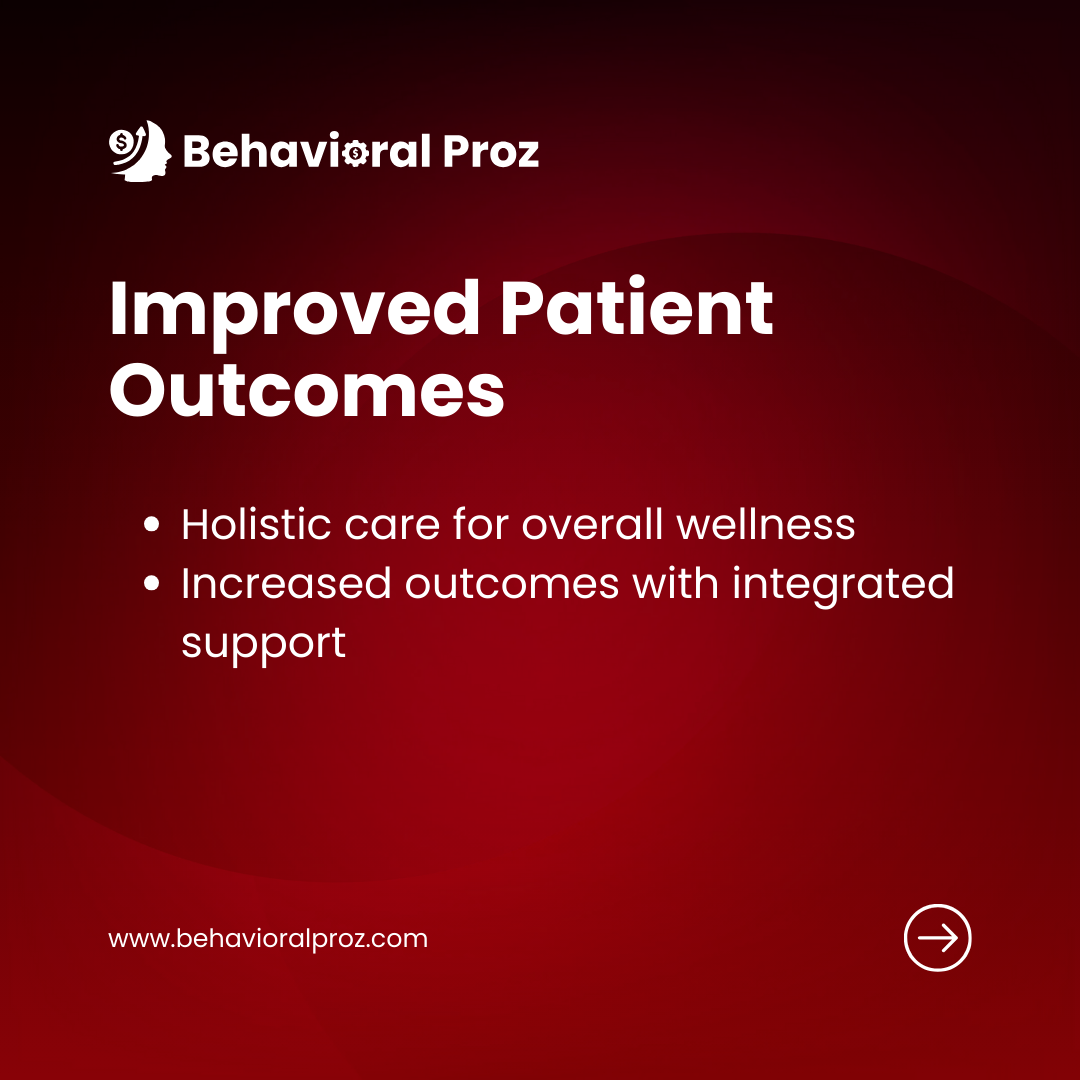
- Improved Patient Outcomes: Comprehensive care addressing both physical and mental health leads to better overall health outcomes.
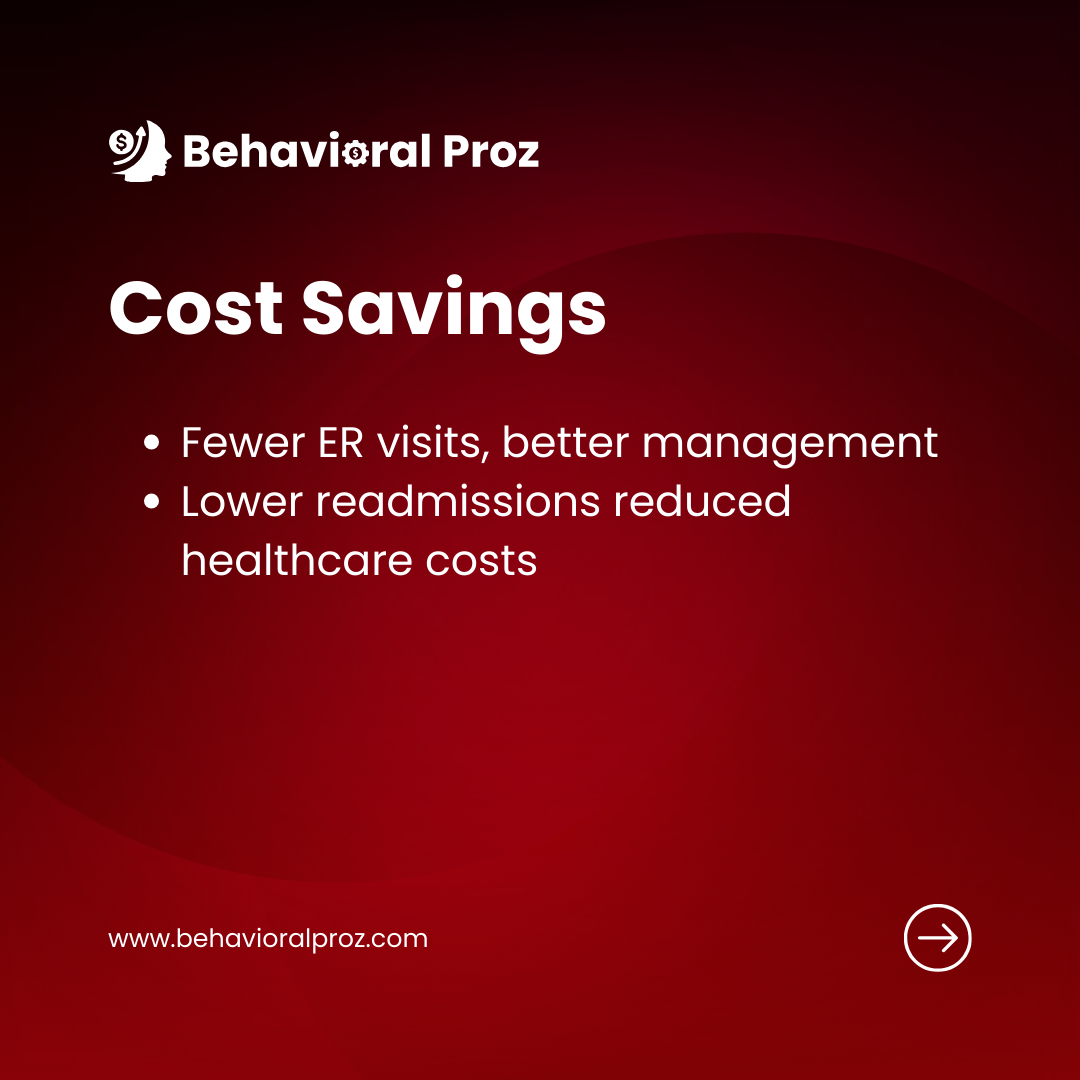
- Reduced Healthcare Costs: Effective behavioral health integration reduces emergency room visits and hospital readmissions.
- Enhanced Community Well-being: Accessible mental health services contribute to healthier, more productive communities.
- Alignment with Value-Based Care: behavioral health integration supports the shift towards value-based care models by focusing on holistic patient well-being.

Why Behavioral Health Is Important to Integrate with Community Hospitals
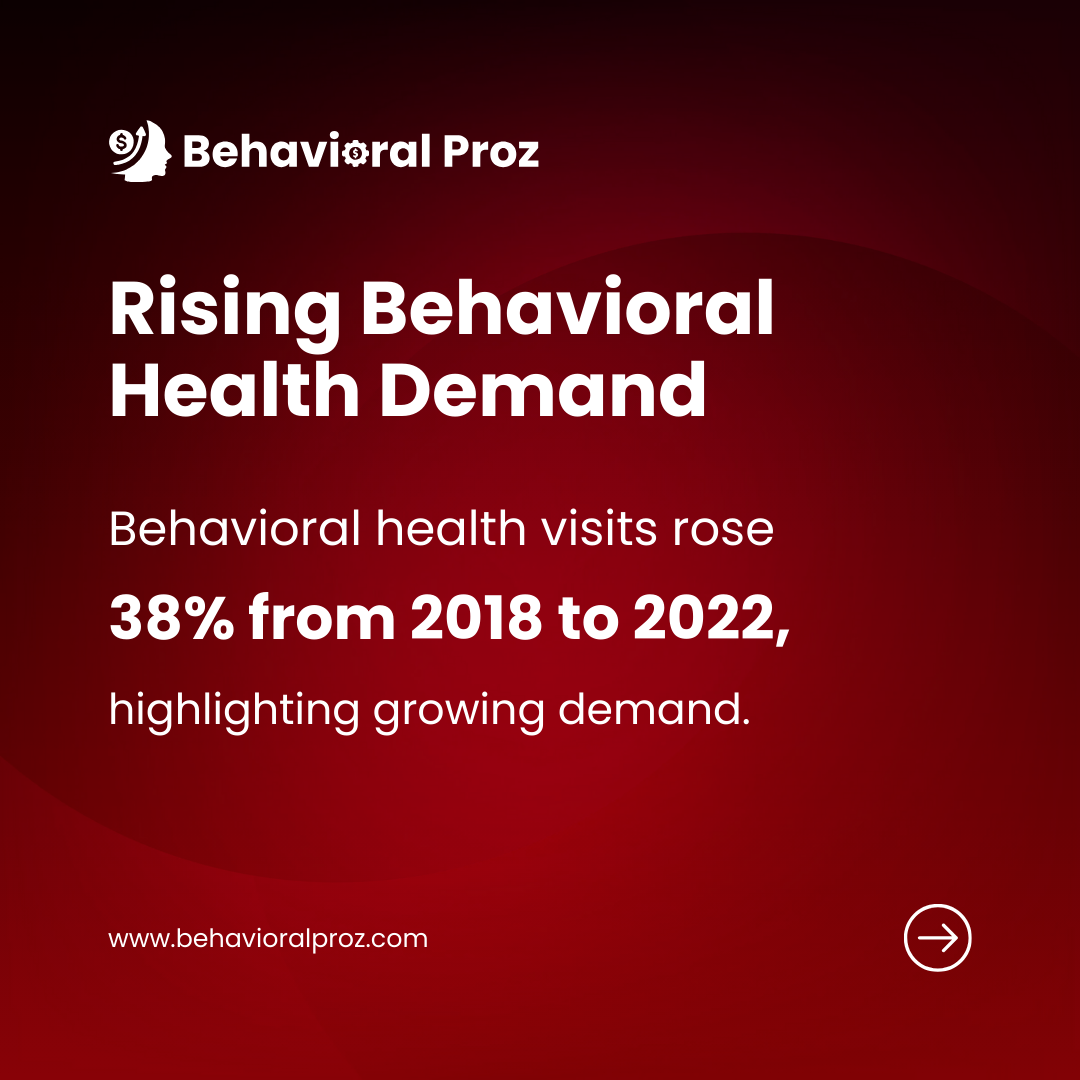
Integrating behavioral health services into community hospitals is crucial for counties where community healthcare centers and hospitals are only the main go-to places for behavioral health treatment. Recent data indicates a significant rise in behavioral health needs, with community health centers experiencing a 38% increase in behavioral health visits between 2018 and 2022.
- Enhance Access to Care: Patients receive timely mental health support within a familiar healthcare setting.
- Improve Patient Outcomes: Addressing both physical and mental health needs leads to better overall health results.
- Reduce Stigma: Offering behavioral health services in general hospital settings normalizes mental health care, encouraging more individuals to seek help.
- Increase Operational Efficiency: Integrated care models streamline services, reducing duplication and lowering healthcare costs.
Incorporating behavioral health into community hospitals is essential to meet the evolving healthcare needs of the population effectively.
Strategies for Community Hospitals Before Integration
Before integrating behavioral health services, community hospitals must lay a strong foundation. Here are the essential community hospital strategies:
- Conduct a Community Needs Assessment:
- Identify prevalent behavioral health issues within the community.
- Engage with local stakeholders, including schools, social services, and public health agencies, to understand specific needs.
- Use data-driven insights to prioritize services such as substance use treatment, depression screening, or crisis intervention.
- Develop a Strategic Plan:
- Outline clear goals for behavioral health integration, including timelines, budget requirements, and key performance indicators (KPIs).
- Secure leadership buy-in and establish a multidisciplinary team to oversee the initiative.
- Build Collaborative Partnerships:
- Partner with local behavioral health organizations, primary care providers, and telehealth platforms.
- Leverage these partnerships to share resources and expand service capacity.
- Invest in Workforce Development:
- Recruit and train staff in behavioral health care, including psychiatrists, counselors, and social workers.
- Offer cross-training opportunities for existing medical staff to recognize and address behavioral health issues.
- Ensure Financial Sustainability:
- Assess funding opportunities such as federal grants, state programs, and private partnerships.
- Develop a comprehensive billing process for behavioral health services, ensuring compliance with insurance and Medicaid/Medicare requirements.
Implementing Behavioral Health Services: Step-by-Step Guide
Once foundational strategies are in place, community hospitals can proceed with implementation. Below is a step-by-step guide for behavioral health integration:
Step 1: Establish Integrated Care Models:
- Implement models such as the Collaborative Care Model (CoCM), which integrates behavioral health providers into primary care teams.
Step 2: Leverage Telehealth Technology:
- Use telehealth platforms to extend access to behavioral health services, particularly in rural or underserved areas.
- Provide virtual consultations, therapy sessions, and follow-up care.
Step 3: Embed Screening Tools:
- Introduce standardized behavioral health screening tools during routine patient visits.
- Tools such as the PHQ-9 for depression or GAD-7 for anxiety can facilitate early identification of issues.
Step 4: Focus on Crisis Intervention:
- Develop crisis stabilization units or mobile crisis response teams.
- Partner with local law enforcement and emergency services to manage behavioral health emergencies effectively.
Step 5: Measure and Optimize Performance:
- Regularly review patient outcomes, staff performance, and financial metrics.
- Use data analytics to identify areas for improvement and adjust strategies as needed.
The Importance of Community Hospitals Post-Integration
The successful behavioral health integration transforms the role of community hospitals. Here’s what this means:
- Centralized Care Hubs: Community hospitals become central hubs for comprehensive healthcare, seamlessly addressing both physical and behavioral needs.
- Increased Accessibility: Patients benefit from easier access to mental health services within a familiar healthcare setting.
- Enhanced Reputation: Hospitals that prioritize behavioral health integration gain recognition as forward-thinking, patient-centered organizations.
- Stronger Patient Relationships: Offering holistic care fosters trust and loyalty among patients, improving long-term engagement.


Challenges in Integration and How to Overcome Them
Despite the benefits, integrating behavioral health services comes with challenges. Here’s how to address them:
- Workforce Shortages:
- Solution: Develop partnerships with educational institutions to create pipelines for behavioral health professionals.
- Offer incentives such as loan forgiveness or competitive salaries to attract talent.
- Financial Constraints:
- Solution: Collaborate with revenue cycle management consultants to optimize reimbursement processes and identify funding opportunities.
- Stigma Around Behavioral Health:
- Solution: Launch community education campaigns to normalize conversations about mental health and reduce stigma.
- Regulatory Compliance:
- Solution: Stay informed about federal and state regulations and engage consultants to ensure adherence.
Role of Revenue Cycle Management Consultants in Integration
BehavioralProz’s expertise includes :
- Practice Evaluation Strategies: Conducting thorough assessments of current operations to identify gaps and areas for improvement.
- Strategic Growth Planning: Crafting long-term growth plans tailored to the unique needs of community hospitals and their patient populations.
- Service Development Strategies: Assisting in the creation and expansion of behavioral health service lines, ensuring they align with community demands.
- Performance Tracking Protocols: Establishing systems to monitor the effectiveness of integrated services, ensuring continuous optimization.
- Staff Training: Providing ongoing education to enhance clinical skills, job satisfaction, and team collaboration.
- Operational Improvements: Streamlining processes like billing and claims management to reduce denials and boost profitability.
- New Services & Diversification: Developing innovative service offerings and diversifying revenue streams to support financial stability.
By leveraging BehavioralProz’s expertise, community hospitals can confidently navigate the complexities of behavioral health integration, ensuring financial sustainability and improved patient care.
Conclusion
Integrating behavioral health services into community hospitals is no longer optional—it is a necessity to meet the evolving healthcare needs of communities. By adopting the community hospital strategies outlined above, hospitals can ensure a successful integration that enhances patient care, improves outcomes, and strengthens financial stability.
BehavioralProz, as an expert revenue cycle management consultant, is ready to assist community hospitals in navigating this journey. With a focus on strategic planning, financial optimization, and regulatory compliance, BehavioralProz ensures that community hospitals are well-equipped to integrate behavioral health services and thrive in 2026.