

The Rising Liability costs on mental health providers
- A survey conducted by the American Psychiatric Association (APA) in 2019 found that nearly 30% of psychiatrists indicated that fear of lawsuits influenced their clinical decisions.
- The National Practitioner Data Bank reported in 2021 that the average indemnity payment for mental health malpractice claims was about $350,000.
- According to a 2018 study published in the Journal of the American Medical Association (JAMA), mental health professionals reported being sued approximately 10-15% of the time during their careers.
Types of Liability costs on mental health providers
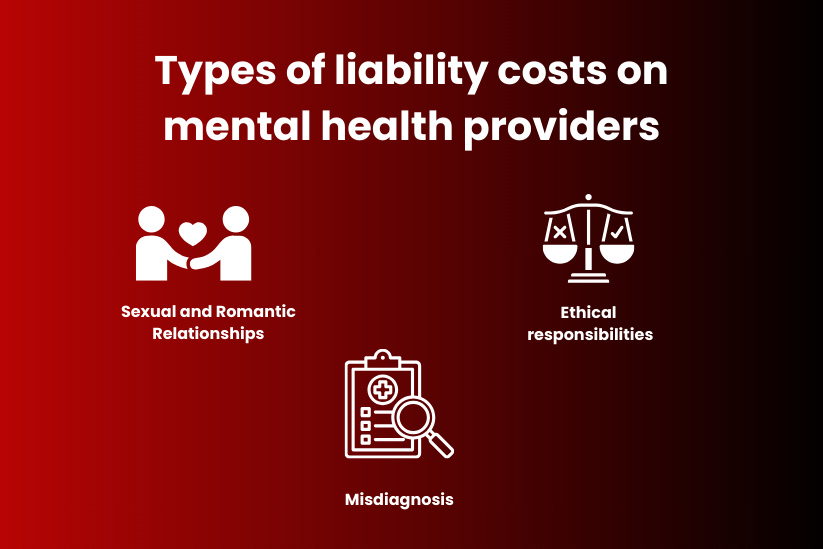
The types of Liability costs on mental health providers are diverse, and their associated costs can be staggering. Among the most common complaints:
- Sexual and Romantic Relationships: This remains the most frequent type of complaint filed against counselors, making up 38.2% of all claims paid. Ethical boundaries are critical in the mental health field, and any violations in this area can lead to costly claims.
- Ethical Responsibilities: Claims based on breaches of ethical responsibilities account for 10.9% of complaints. These include issues such as inadequate informed consent, boundary violations, or inappropriate patient communications.
- Misdiagnosis: The most expensive claims involve allegations of failure to properly diagnose a condition, with an average indemnity cost of $456,536. Misdiagnosis can lead to prolonged patient suffering and additional complications, which in turn increase the financial burden on both providers and payers.
The Impact on Healthcare Organizations
The rising Liability costs on mental health providers have a direct impact on healthcare organizations. Not only do these claims increase the cost of malpractice insurance, but they also affect your overall operational efficiency. Increased legal expenses, payouts, and reputational damage can significantly hinder an organization’s ability to deliver high-quality care to its patients.
Healthcare organizations are now more than ever in need of strategies to mitigate these rising costs. It’s essential to have comprehensive measures in place that address liability risks, enhance compliance, and support mental health professionals in minimizing exposure to potential claims.
Consulting Services: A Solution to Rising Liability costs on mental health providers
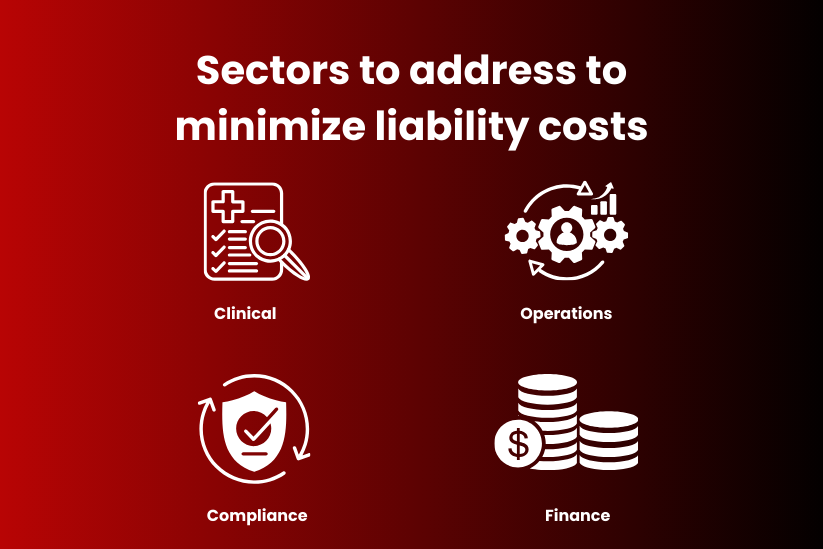
1. Clinical Operations
Effective consulting services can help optimize your clinical operations to minimize liability risks. Consultants can provide:
- Staff Training and Education: Proper training programs are key to reducing Liability costs on mental health providers
- Consultants can help establish comprehensive training sessions to educate mental health professionals on maintaining ethical boundaries, conducting thorough assessments, and proper documentation practices.
- Telehealth Best Practices: With the increasing number of liability claims related to telehealth, it’s essential to have best practices in place. Consultants can guide your organization on implementing secure telehealth systems, ensuring that sessions meet regulatory requirements and mitigating risks associated with virtual care.
- Standardized Clinical Protocols: Standardizing clinical protocols helps reduce the risk of misdiagnosis and ensures that all providers are delivering care according to established guidelines. Consulting services can help establish clear diagnostic criteria and protocols for managing high-risk patients, thus minimizing liability risks.
2. Financial Management
- Liability Insurance Analysis: Consultants can help healthcare organizations evaluate their current liability insurance policies, ensuring adequate coverage while identifying opportunities to lower premiums. This might include exploring group coverage options or negotiating with insurers for better rates.
- Risk Assessment: Conducting regular risk assessments can help identify areas where your organization may be vulnerable to liability claims. By assessing financial exposure, consultants can provide actionable insights into reducing liability-related costs and enhancing the financial health of your practice.
- Cost Reduction Strategies: Liability claims often lead to increased operational costs, including legal fees and settlements. Consulting services can assist in developing cost reduction strategies by enhancing operational efficiencies and reducing the likelihood of liability incidents, ultimately helping your bottom line.
3. Compliance and Ethical Standards
- Regulatory Compliance: Consultants can assist in ensuring that your organization complies with compliance follow ups including all federal, state, and local regulations. They can help create policies that align with the latest guidelines, reducing the risk of liability due to non-compliance.
- Ethical Guidelines and Boundary Training: Ethical breaches are among the most common and costly liability claims. Consulting services can help in creating comprehensive guidelines and training programs that reinforce the importance of maintaining boundaries with patients, documenting informed consent, and following ethical practices.
- Audit and Monitoring: Regular compliance audits and monitoring are essential in identifying potential issues before they escalate into liability claims. Consulting services can assist in conducting these audits, providing valuable feedback, and implementing corrective actions to mitigate risks.
Streamlining operations for Liability Prevention
- Proper Documentation: Accurate and thorough documentation is crucial to defending against liability claims. Consulting services can help train staff on best practices for documenting patient interactions, clinical decisions, and informed consent, which can serve as crucial evidence if a claim is filed. Also they can implement automation through documentation AI to streamline the process and reduce errors
- Risk Management Programs: Developing and implementing a risk management program can help identify potential areas of liability before they become costly claims. These programs involve evaluating procedures, identifying high-risk areas, and taking corrective actions to address vulnerabilities.
- Patient Communication: Poor communication is a leading cause of liability claims. Consulting services can help train your staff on effective communication techniques, ensuring that patients are well-informed about their treatment, potential risks, and the limitations of care. Effective communication can help manage patient expectations and reduce the likelihood of complaints escalating into liability claims.



Embrace Consulting to Protect Your Practice
The increased liability costs faced by mental health professionals present a significant challenge, but there are solutions available. Consulting services offer comprehensive strategies that span clinical operations, financial management, and compliance to help reduce liability exposure. By proactively addressing these risks, healthcare organizations can protect their financial health, maintain their reputation, and continue to provide high-quality care to patients.
At Behavioral Proz Consulting, we understand the unique challenges that mental health providers face. Our team of experts is dedicated to providing customized solutions that help healthcare organizations reduce liability costs and ensure compliance with industry standards. Whether it’s optimizing clinical workflows, managing financial exposure, or implementing comprehensive compliance programs, we are here to support your organization every step of the way.
If your organization is struggling with rising liability costs, consider partnering with a trusted consulting service to create a safer, more efficient, and financially stable environment. Together, we can develop strategies that not only reduce liability risks but also enhance the quality of care provided by your healthcare professionals.