


1. Enhance Accessibility Through Integrated Care Models
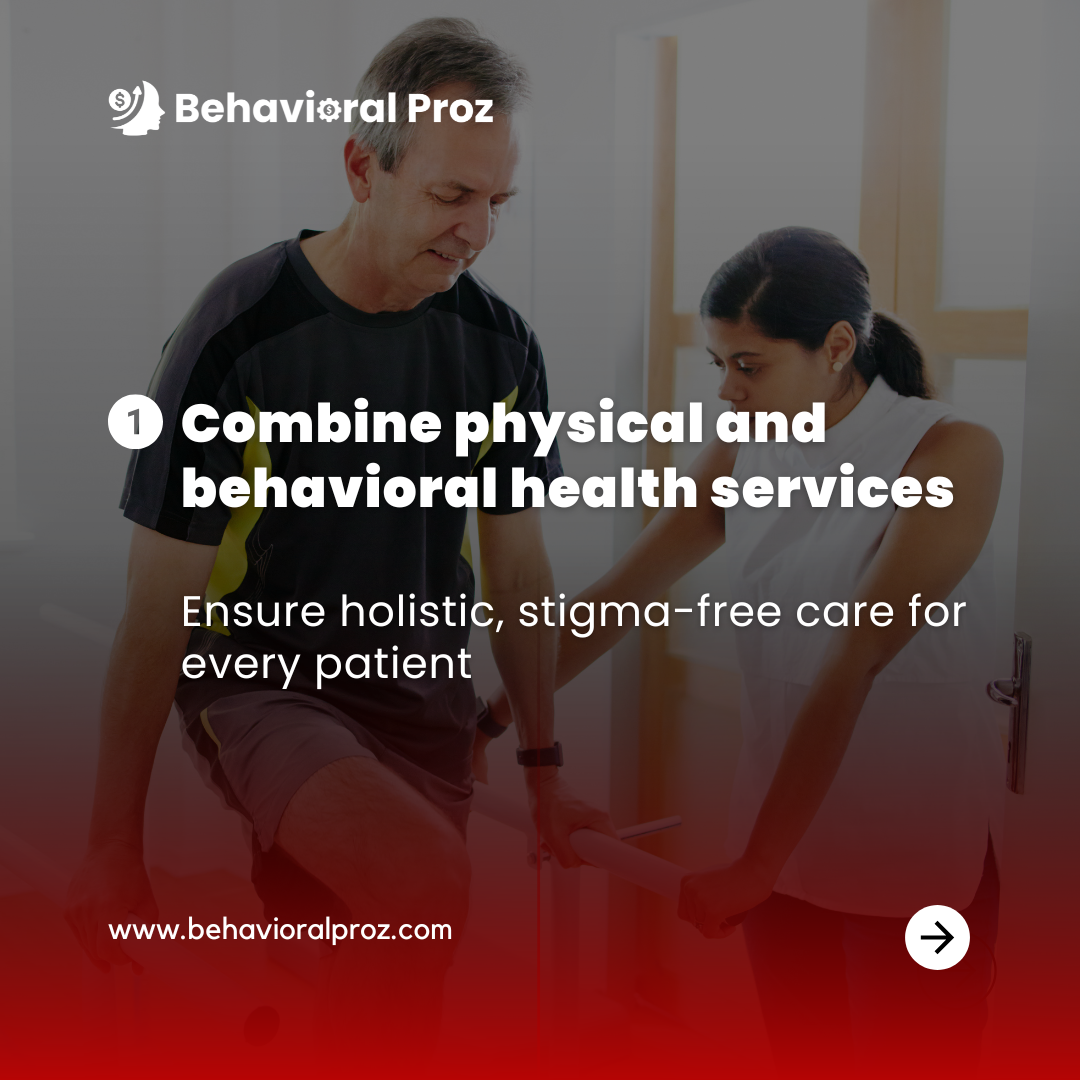
Accessibility is the foundation of effective behavioral health care. Telehealth has significantly improved the availability of mental health services, especially in underserved areas. Integrated care models, which bring behavioral and physical health services together, are transformative in eliminating barriers and improving patient outcomes. These models foster collaboration among providers, enabling holistic care for patients with complex needs.
For example, embedding behavioral health specialists in primary care settings ensures that mental health conditions are addressed early, reducing the need for crisis interventions. This approach normalizes mental health care, encouraging patients to seek help without fear of judgment or stigma. Additionally, integrated models promote seamless care transitions, ensuring that patients do not fall through the cracks during treatment.
How You Can Implement This:
- Partner with behavioral health specialists to co-locate services.
- Telehealth for behavioral health has revolutionized access to therapy and counseling, especially for individuals in remote areas.
- Utilize integrated electronic health record (EHR) systems to facilitate communication and coordination among providers.
- Telehealth services to increase access for rural or underserved populations.
- Expanding insurance coverage for mental health services ensures more people can access therapy and counseling.
Integrated care models do not only benefit patients; they also support providers by streamlining workflows and reducing duplication of services. These improvements pave the way for more sustainable, patient-centered care.
2. Prioritize Early Intervention and Prevention Programs
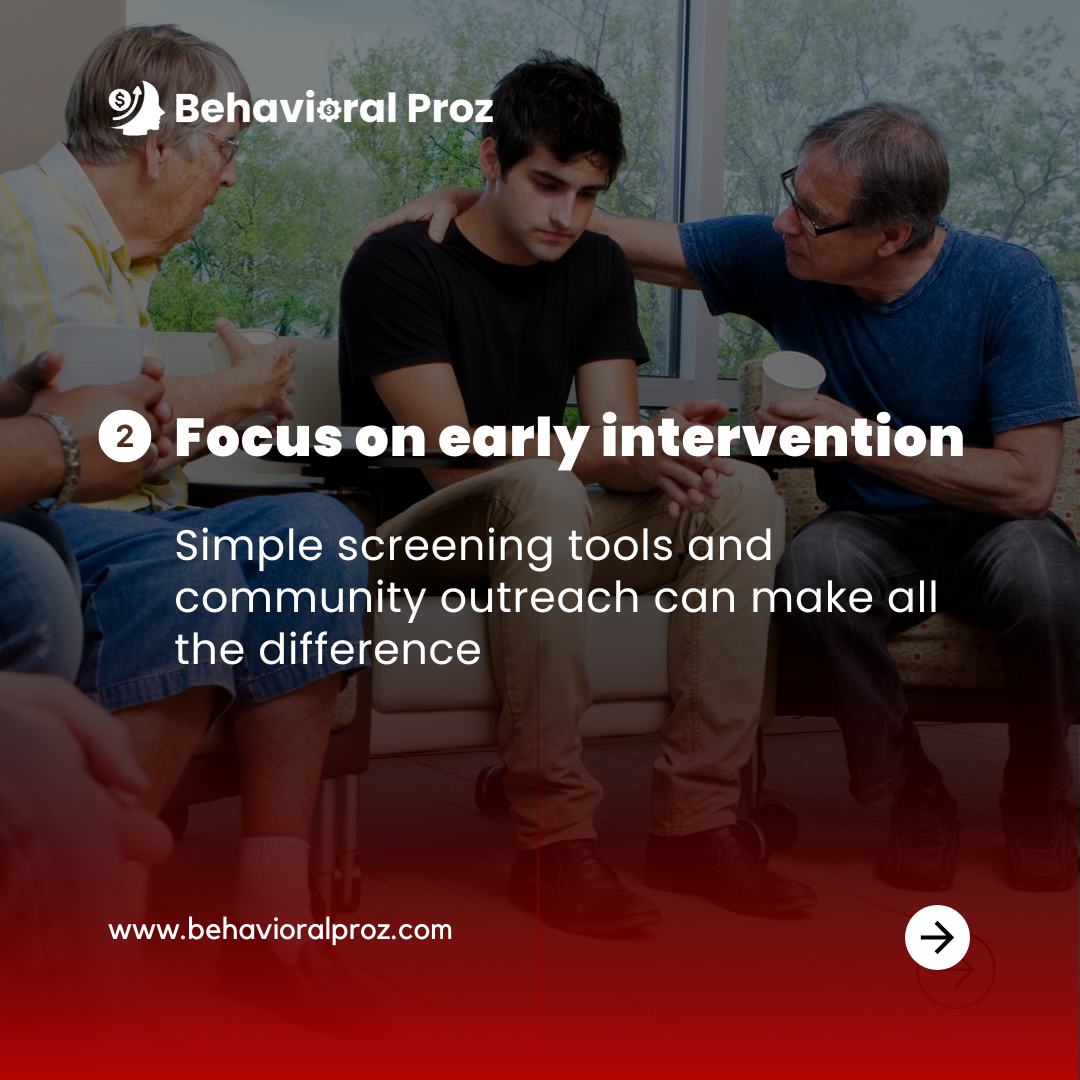
Screening tools like the Patient Health Questionnaire (PHQ-9) for depression and Generalized Anxiety Disorder Assessment (GAD-7) can be integrated into routine health visits to uncover behavioral health concerns. Schools, workplaces, and community programs are also critical settings for launching prevention campaigns that raise awareness and promote early detection.
Community outreach and education empower patients and families to recognize symptoms and seek care. Community-based mental health services provide vital resources for individuals with severe mental health conditions. These efforts not only reduce the stigma of behavioral health issues but also build trust within communities, fostering stronger engagement with healthcare systems.
How You Can Implement This:
- Train primary care providers to administer behavioral health screenings during check-ups.
- Collaborate with schools and community organizations to offer prevention programs tailored to specific populations.
- Leverage data analytics to identify high-risk groups and target outreach efforts effectively.
Prevention programs are particularly effective when combined with technology. For instance, digital health tools can provide personalized reminders, educational resources, and immediate access to professional support, all of which enhance the success of early intervention strategies.
3. Embrace Technology to Improve Patient Engagement
Technology has revolutionized healthcare delivery, and its role in behavioral health is growing. Digital solutions, such as telehealth platforms, mobile applications, and patient portals, have redefined how patients access and engage with care. Investing in mental health services helps to improve overall public health and reduces the burden on emergency care systems. The adoption of telehealth for behavioral health increased significantly during the pandemic, ensuring continuity of care.
Telehealth, for example, eliminates logistical challenges like transportation and scheduling conflicts, allowing patients to receive therapy and consultations from the comfort of their homes. Mobile apps for mindfulness, mood tracking, and therapy exercises encourage patients to remain engaged between sessions. Meanwhile, patient portals provide a secure platform for scheduling appointments, accessing care plans, and communicating with providers.
For healthcare providers, technology also enables data-driven decision-making. By monitoring patient progress through EHRs and analytics platforms, providers can adjust treatment plans to ensure optimal outcomes.
To Maximize the Effectiveness:
- Invest in robust telehealth systems that offer video consultations, messaging, and secure file sharing.
- Develop or adopt mobile apps tailored to patient needs, such as tracking mood or providing therapy exercises.
- Group therapy sessions conducted through telehealth for behavioral health offer patients peer support without leaving their homes.
- Train staff on the latest digital tools to maximize their effectiveness.
While technology enhances patient engagement, it’s essential to address the digital divide. Healthcare organizations should prioritize user-friendly platforms and provide education on their use to ensure that all patients, regardless of technological literacy, can benefit.
4. Focus on Workforce Development and Training
The quality of behavioral health care is directly tied to the capabilities of its workforce. Behavioral health professionals face unique challenges, including high caseloads, emotionally taxing situations, and the need to stay updated on the latest evidence-based practices.
Employee well-being is another critical focus area. Behavioral health professionals are particularly susceptible to burnout, which can impact patient care. Offering resources such as counseling, peer support groups, and wellness programs can help mitigate burnout and sustain workforce morale.
Overcome Well-Being:
- Host regular training sessions on emerging behavioral health practices and tools.
- Establish mentorship programs to support early-career professionals.
- Create a culture of well-being by providing mental health resources for staff.
Investing in workforce development not only improves patient outcomes but also helps organizations retain skilled professionals, reducing turnover costs and maintaining continuity of care.
5. Strengthen Care Coordination Across Systems
Behavioral health patients often interact with multiple providers and systems, from outpatient therapy to inpatient care. Care coordination ensures that these transitions are seamless and that patients receive consistent, uninterrupted support throughout their treatment journey.
Effective care coordination involves clear communication between providers, comprehensive care plans, and collaboration with community resources. Comprehensive mental health services include therapy, medication management, and peer support programs. For example, a patient discharged from inpatient care should have a coordinated plan for outpatient therapy, medication management, and social support services.
Using tools like care coordination software, case management teams can track patient progress and ensure follow-up care is timely and effective. Addressing social determinants of health, such as housing and employment, further strengthens the support system for behavioral health patients.
Care Coordination Management:
- Assign dedicated care coordinators to manage patient transitions and follow-ups.
- Develop standardized protocols for information-sharing between providers.
- Collaborate with local resources to address non-medical barriers to care.
Improved care coordination not only enhances patient satisfaction but also reduces hospital readmissions and improves cost efficiency, benefiting both patients and healthcare organizations.

The Role of RCM Consultants in Advancing Behavioral Health Care
While implementing these strategies can significantly improve patient outcomes, the financial and administrative complexities of behavioral health care often pose barriers to success. Revenue Cycle Management (RCM) consultants play a critical role in overcoming these challenges. Collaborative care models integrate primary care and mental health services to provide holistic support for patients. Telehealth for behavioral health ensures continuity of care, even during emergencies or natural disasters.
RCM consultants streamline billing processes, optimize reimbursement rates, and ensure compliance with ever-changing regulations. Their expertise allows healthcare organizations to focus on patient care without being burdened by administrative inefficiencies.
For example, by reducing claim denials and ensuring accurate coding, RCM consultants help organizations maintain financial stability. They also provide valuable insights through analytics, helping healthcare leaders make data-driven decisions to improve operations.




View the detailed post on Linkedin
How BehavioralProz Can Help
BehavioralProz, a leading RCM consulting firm, specializes in supporting behavioral health providers. From managing complex billing scenarios to navigating regulatory compliance, BehavioralProz delivers tailored solutions that align with organizational goals. Their expertise ensures that healthcare organizations can focus on implementing patient care strategies while achieving financial sustainability.
Conclusion
Advancing behavioral health patient care requires a multifaceted approach that addresses accessibility, early intervention, technology, workforce development, and care coordination. By adopting these proven strategies, healthcare providers can create a more inclusive, effective, and patient-centered care environment.
With strategic planning and a commitment to innovation, healthcare organizations can lead the way in transforming behavioral health care and making a lasting impact on the communities they serve.