9 Capital Investments in Behavioral Health and Substance
Introduction
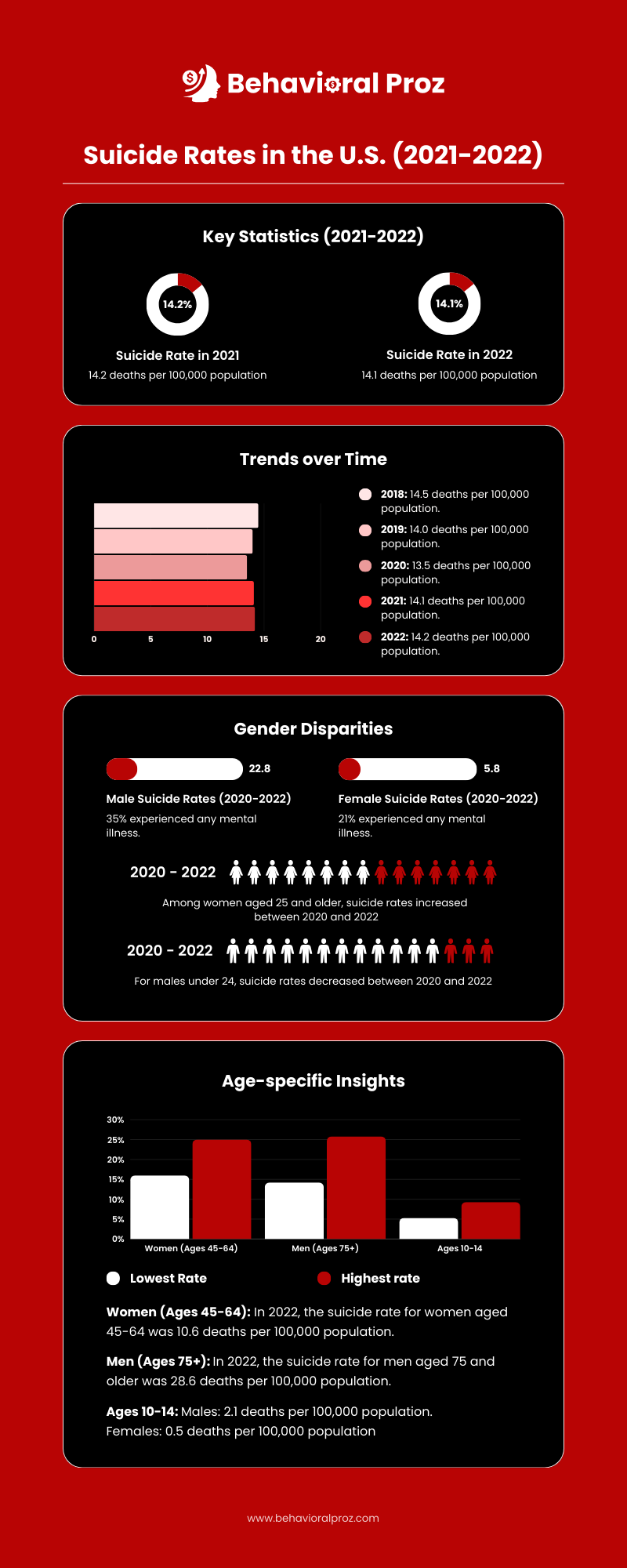
Suicide is a growing public health crisis that affects people across all age groups, genders, and communities. According to the CDC, suicide rates in the United States have surged by 30% over the past two decades, and it continues to be a leading cause of death, particularly among young adults and vulnerable populations. This infographic highlights 10 critical statistics that underline the severity of the issue and provide key insights into risk factors, prevention methods, and support systems. By raising awareness, we aim to encourage proactive intervention and the importance of mental health care in preventing suicides.
How these 9 behavioral health investments will improve care
The positive effects of these investments are expected to reach patients and providers alike in several key ways:
- Greater Accessibility: Patients will have more locations and telehealth options for mental health and substance use services.
- Higher Quality Care: New facilities, enhanced workforce training, and innovative treatment options will elevate the standard of care.
- Community Support: With more funding for community programs, patients will receive better ongoing support and education about their mental health needs.
Surveys indicate that 65% of providers ( American Medical Association ) believe these behavioral health investments and substance abuse treatment funding will improve patient outcomes, while 80% of patients ( PwC’s Health Research Institute ) expect their access to care to increase dramatically over the next few years. These initiatives are not just about short-term gains—they’re about creating a sustainable infrastructure. Although these investments will hit the ground anytime soon, many Private Equity firms don’t have the right measures to utilize them optimistically. They have several gaps in their revenue cycle and operations as they actively seek skilled partners or staff who can help them in these endeavors. BehavioralProz helped such a firm that had nearly 1 million worth of claim backlogs. We helped them streamline their revenue workflow and ensured to managed high volumes of data under pressure and maintained client financial integrity.